6 minSociety
A Writer's Month Without Headphones Reveals What We Lose by Tuning Out
A personal experiment in ditching wireless earbuds on London commutes highlights new research on why people avoid strangers, how constant audio fills every quiet moment, and what psychologists call the lost space for constructive daydreaming.
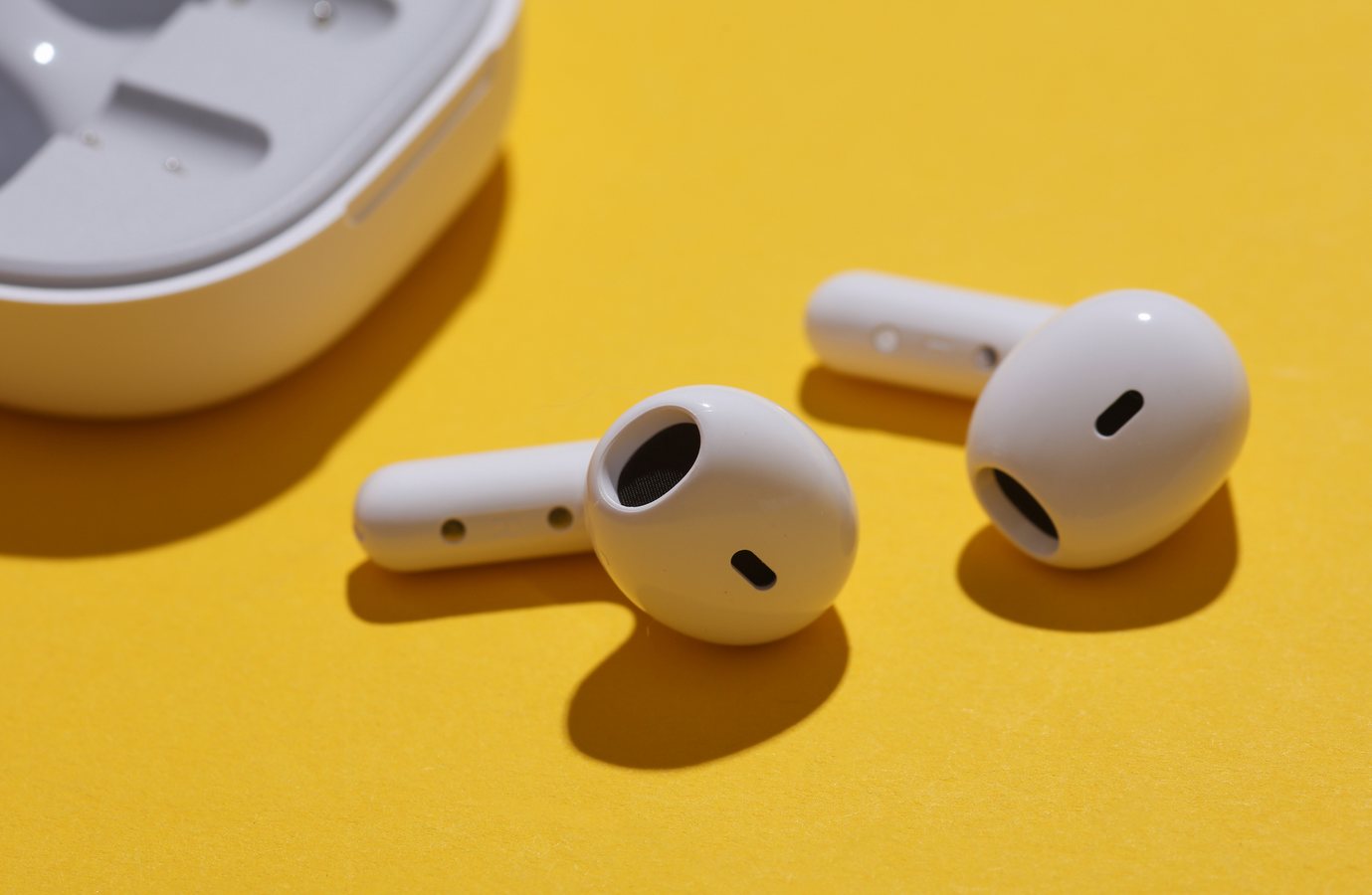
LONDON — After repeatedly losing his wireless headphones and finding them dead when he needed them, one writer decided to stop carrying them altogether. What began as a practical concession turned into a month-long experiment that changed how he moved through his city and what he noticed about the people around him.
The first headphones-free commute was unexpectedly social. He smiled at strangers. He tracked the stops on the train line himself instead of relying on an app to announce them through his earphones. The experience raised a question he had not considered before: had he quietly outsourced the small pleasures of urban life to his phone?
The scale of headphone use is enormous. Ofcom research found that 93 percent of U.K. adults listen to some form of audio every week, and more than a quarter listen to podcasts weekly. Hundreds of millions of people worldwide tune into podcasts. The behavior is so common that walking through a city without earbuds can feel like a deliberate act of withdrawal from a shared norm.
Social science offers a partial explanation for why people keep their headphones in. Research published in the Journal of Experimental Social Psychology found that people often avoid talking to strangers because they underestimate how enjoyable those interactions will be. Separate research in Current Directions in Psychological Science suggests that constant smartphone connectivity can cause people to miss the emotional benefits of casual interactions by effectively replacing them.
Psychotherapist Jack Worthy told the writer that human beings are driven from birth by two basic impulses: approach and avoidance. «We approach what feels interesting, exciting, or otherwise potentially rewarding. We avoid whatever feels dangerous, disgusting, or boring,» Worthy said. Headphones give users the power to dial into highly appealing experiences and tune out everything they would rather avoid. If a home serves as a refuge from the outside world, headphones create a tidy micro-environment inside the head.
Over a month of commuting without earphones, the writer began noticing details on streets he had walked countless times. One discovery was that the nearest train station to his flat was a two-minute walk away. Google Maps had been showing him a longer route that took more than double the time, hauling him around local houses. In London, that difference amounts to wasted hours.
Without headphones, he also overheard conversations he would otherwise have missed. On one train, a young woman told her friend she had found a Rhode lip gloss in her boyfriend's car. She insisted it could not be hers because she is a Rare Beauty user and a long-time Selena Gomez fan. «I can't believe how Hailey Bieber stole Justin Bieber from Selena Gomez, and now someone else is stealing my man!» she wailed, head between her knees while her friend rubbed her back.
Another time, a man erupted at a stranger who had accidentally smeared dirt onto his white shoes. The writer described it as a captivating fight and admitted he was glued to the scene. He wondered how many spontaneous moments of this kind he had missed while listening to a podcast.
His favorite eavesdropping episode involved two women in leather outfits and cowboy boots who sat opposite him. The woman by the window said her stressed boyfriend Keith had just bought them a flat, so she did not feel she could pressure him for an engagement ring. As her requests grew more ludicrous, an older man next to the writer leaned over. «I don't see him proposing to that nutter!» he said. The two shared a communal laugh. «Good luck to Keith! Lots going on, poor fella.»
Looking back, the writer realized how rarely he allowed himself to be bored. He had always reached for distraction. Worthy pointed to the psychoanalytic concept of «reverie,» a kind of constructive daydreaming that occurs during therapy sessions and in everyday life. If you have ever had a sudden moment of inspiration in the shower or on a run, you have experienced something of what reverie means. The mind unfolds in unintentional directions, and the unconscious shows the conscious mind what it was missing.
Worthy said that moving through the world with headphones in, listening to music, podcasts, or books, compromises the mind's space for reverie. There is less room for the constructive daydreaming that mental processes use for creativity, problem-solving, and synthesizing. By the end of the month, the writer had no desire for headphones. When the train grew too loud, he put them on just to cancel the screeching of metal wheels. When it calmed, off they came, and he was ready for the next drama.
5