5 minPolitics
Trump’s push to lower gas prices hits refining bottleneck before midterms
President Donald Trump’s efforts to reduce U.S. gasoline prices by boosting Venezuelan crude output and easing biofuel rules face structural limits, as domestic refineries run at capacity and global processing gaps keep pump prices near $4.11 per gallon.
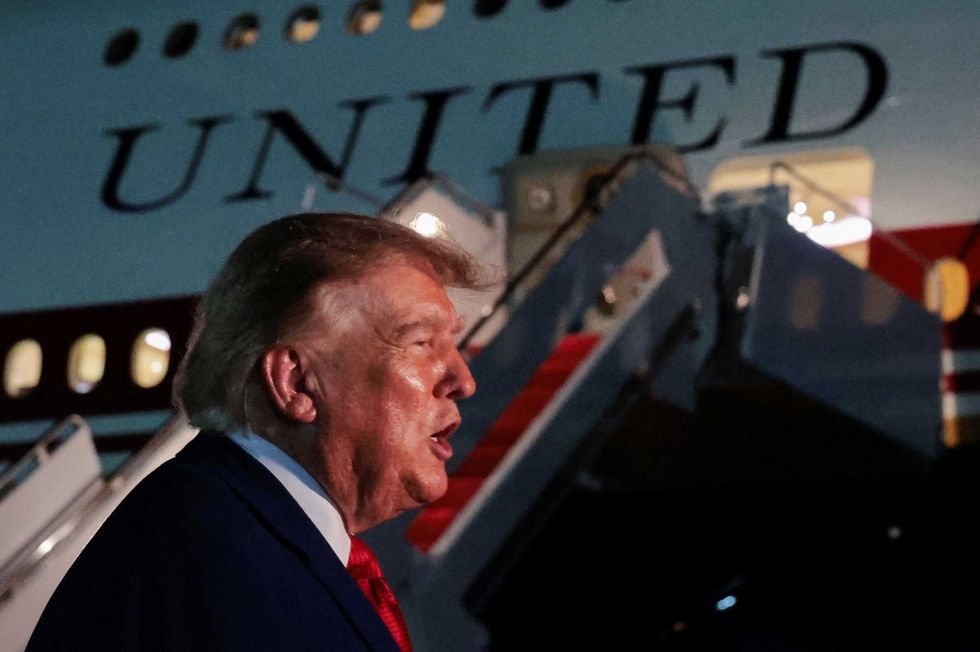
President Donald Trump’s latest moves to lower gasoline prices before the midterm elections are unlikely to deliver quick relief, energy experts say, because the core problem is a shortage of refining capacity rather than a lack of crude oil. The U.S. average gas price stood near $4.11 per gallon on Thursday, up more than 90 percent from the same time last year, with diesel prices even higher.
The president has summoned refiners to the White House this week to discuss ways to cut consumer costs, but attendees left without public statements and the administration did not release a list of participants. Trump’s frustration has been visible for weeks. At an Oval Office briefing last month, he said oil companies were “making too much money” and should “give some of that back to the public” by lowering retail prices.
The so-called crack spread, which measures the price difference between crude oil and refined gasoline and diesel, has soared to a historic high above $70 per barrel. Analysts describe this as a clear signal that the market for refined products is under severe strain. The largest U.S. refineries have operated at nearly maximum capacity for several weeks, longer than at any recent point in history, and many have deferred routine maintenance to take advantage of elevated prices.
The root cause, according to industry specialists, is that global refining capacity cannot keep pace with available crude. Many Middle East refineries have shut down during the conflict that followed the breakdown of Trump’s tentative ceasefire with Iran, and Russian diesel refineries remain offline because of Ukrainian drone attacks. The remaining plants in North America and China are not large enough to fill the gap.
To address the problem, the Trump administration has turned to Venezuela. After the January operation that removed leader Nicolás Maduro, Washington announced plans to revive the country’s oil industry. The administration has eased sanctions and pushed interim leader Delcy Rodríguez to rewrite Venezuela’s oil laws to attract American investment.
The Pentagon announced last week that it would take a stake in North American Blue Energy Partners, a private Venezuelan company controlling roughly 20 percent of the country’s reserves. The firm plans to boost production in fields previously drilled by China and Russia. Chevron, the largest U.S. operator in Venezuela, said Wednesday it would double its output there after signing an agreement with the Rodríguez government at the Miraflores Palace in Caracas.
Ramón Andrade, a Caracas-based energy lawyer and partner at Ponte Andrade & Casanova, said the Venezuelan business community is optimistic about a sector revival but cautioned that the Pentagon deal’s final details remain unclear. “I think we need to look at what’s actually going to be signed,” he said.
Even if Venezuelan production rises, experts say it will not ease pump prices in the near term. Only a small number of U.S. refineries can process Venezuela’s heavy crude, and those facilities are already running overtime. “Everything that the Venezuelans could produce right now, I’m sure they’re squeezing out,” said Al Salazar, an analyst at Enverus Intelligence. “You could get incremental production out of there in six to twelve months, but what really is causing the gasoline and diesel price spike is the lack of refining capacity.”
Scaling up Venezuelan output would take years, Salazar added, noting that the legal agreement with the Pentagon faces potential constitutional challenges in Venezuela, where some parties allege that conceding resource wealth to the United States violates the country’s charter. The interim government has not yet faced voters in an election.
The administration’s other major step this week may help at the margins. The Environmental Protection Agency ended its summer ethanol blending requirements early and announced waivers exempting a few dozen refineries from biofuel integration mandates. The renewable fuels standard was designed to support farmers and reduce greenhouse gas emissions, but many oil industry groups argue that ethanol requirements drive up costs for refiners. Analysts say the waivers could provide modest relief, though likely not enough for most consumers to notice a difference at the pump.
59