5 minPolitics
Grocers threaten legal action against operators of New York City’s taxpayer-backed stores
A coalition of immigrant-owned grocers in New York City is warning private companies against bidding to operate the city’s planned government-owned grocery stores, extending an existing legal fight over the program.
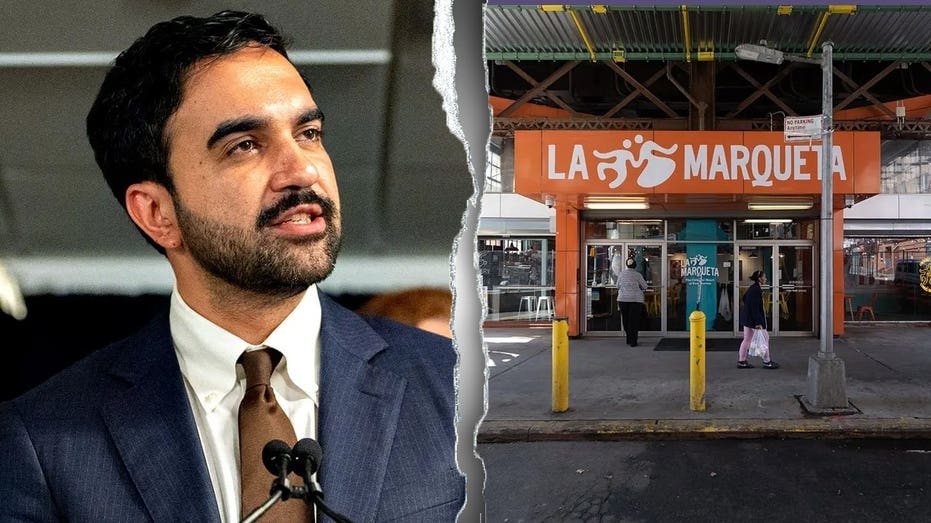
A coalition of immigrant-owned grocers in New York City is warning private companies against signing on to operate the city’s planned taxpayer-backed grocery stores, extending an existing legal battle over the program. Frank Garcia, chairman of the Multicultural Business Coalition, said the group would pursue legal action against any operator that agrees to run the five municipal stores proposed by Mayor Zohran Mamdani.
«We’re going to go after any operator that’s in there,» Garcia said in an interview. «We’re hoping that no one puts the RFP.» The warning comes as the New York City Economic Development Corporation moves forward with a request for proposals seeking up to five companies to operate the stores, with bids due Oct. 16. The administration has said the stores, one in each borough, are expected to open by 2029.
The coalition filed two lawsuits against the city Monday, arguing the taxpayer-backed stores would unfairly compete with minority- and immigrant-owned businesses already operating on thin margins. Under the program, selected operators would receive city-backed space while agreeing to sell a core basket of groceries at prices 30% below typical New York City retail prices. The discounted basket would include fresh produce, meat, seafood, and staples such as milk, bread, cheese, pasta, rice, and beans.
Existing grocers argue they would be forced to compete against stores insulated from costs they have to shoulder themselves, particularly rent. Mamdani has pushed back on claims that the municipal stores would put neighborhood bodegas out of business, pointing out that the city-backed locations would not sell products such as cigarettes, alcohol, lottery tickets, or hot foods — revenue streams that can help sustain smaller neighborhood stores. The mayor has also cited public-market models such as Essex Market as evidence that subsidized markets and private businesses can coexist.
«I’m confident in both the legality of this — that it will stand up in court — and the importance of delivering it,» Mamdani said at a news conference Monday. Asked what he was doing for bodega owners who worry about losing business, the mayor pointed to his administration’s efforts to cut costs and regulations for small grocers, citing the work of his OPEN Task Force, which has identified more than 50 potential regulatory changes.
Garcia said his coalition sought a meeting with Mamdani before going to court but was rebuffed, alleging the mayor instead met with a group of Dominican business owners while leaving out other immigrant and minority-owned businesses that could be affected by the plan. «He’s putting our minority businesses against minority businesses,» Garcia said. He repeatedly invoked the immigrant history of New York’s bodegas, describing businesses that have passed through generations of Puerto Rican, Dominican, Mexican, and other immigrant entrepreneurs. His coalition, he said, represents a broader cross-section of those businesses, including Latino, Korean, and Arab store owners.
City officials have also wrestled with how to support existing grocers that fear they could lose business to the taxpayer-backed stores. Waverly Neer, a senior vice president at the New York City Economic Development Corporation who leads the NYC Groceries initiative, recently said the agency was considering grants and other incentives that could accompany the municipal stores and support independent businesses in surrounding neighborhoods. NYCEDC later said grants were not currently under consideration but that the agency was exploring other forms of assistance, including potential tax abatements, incentives, and zoning benefits through existing city programs.
Garcia argues the city should put more of its resources behind businesses that already exist. He said some immigrant-owned bodegas in his coalition have struggled to access affordable capital and turned instead to private lenders charging steep rates. «A lot of these bodegas are paying 35% loans right now to predator lenders,» he said. His criticism was not reserved for Mamdani or Democrats. Garcia said Republicans have also «hurt us,» pointing to federal restrictions affecting access to Small Business Administration-backed loans for green-card holders, while arguing elected officials across the political spectrum have failed immigrant entrepreneurs seeking affordable capital.
57