5 minPolitics
CBO: Iran Conflict Costs $38 Billion, $3 Billion Monthly
The Congressional Budget Office estimates the U.S. military operation against Iran has cost $38 billion as of August 1, 2026, with monthly costs of $2 billion to $3 billion depending on the level of violence. President Trump continues to downplay the conflict as 'small potatoes,' but broader economic costs to households are estimated at $100 billion.
The U.S. military campaign against Iran has cost the Department of Defense approximately $38 billion as of August 1, 2026, according to a new report from the Congressional Budget Office. The estimate covers the replacement of expended munitions and equipment lost in battle, increased flying hours, higher fuel costs, and other operational expenses. It does not include funds already budgeted for routine military operations or costs incurred by other federal agencies, such as the U.S. Postal Service, which has faced higher fuel prices. The total is also likely to have risen since early August.
The CBO projects that if the conflict continues at a low level of violence, it will require roughly $2 billion per month in financing. If tensions escalate to the levels seen in July, that figure would rise to $3 billion per month, and could go higher if the conflict spirals beyond what has been seen so far. The agency noted that the administration requested $87.6 billion in supplemental appropriations in June, of which $67.1 billion was intended for the Department of Defense. The portion directly related to the conflict, $42.3 billion, is about 10% larger than the CBO's estimate of DoD costs.
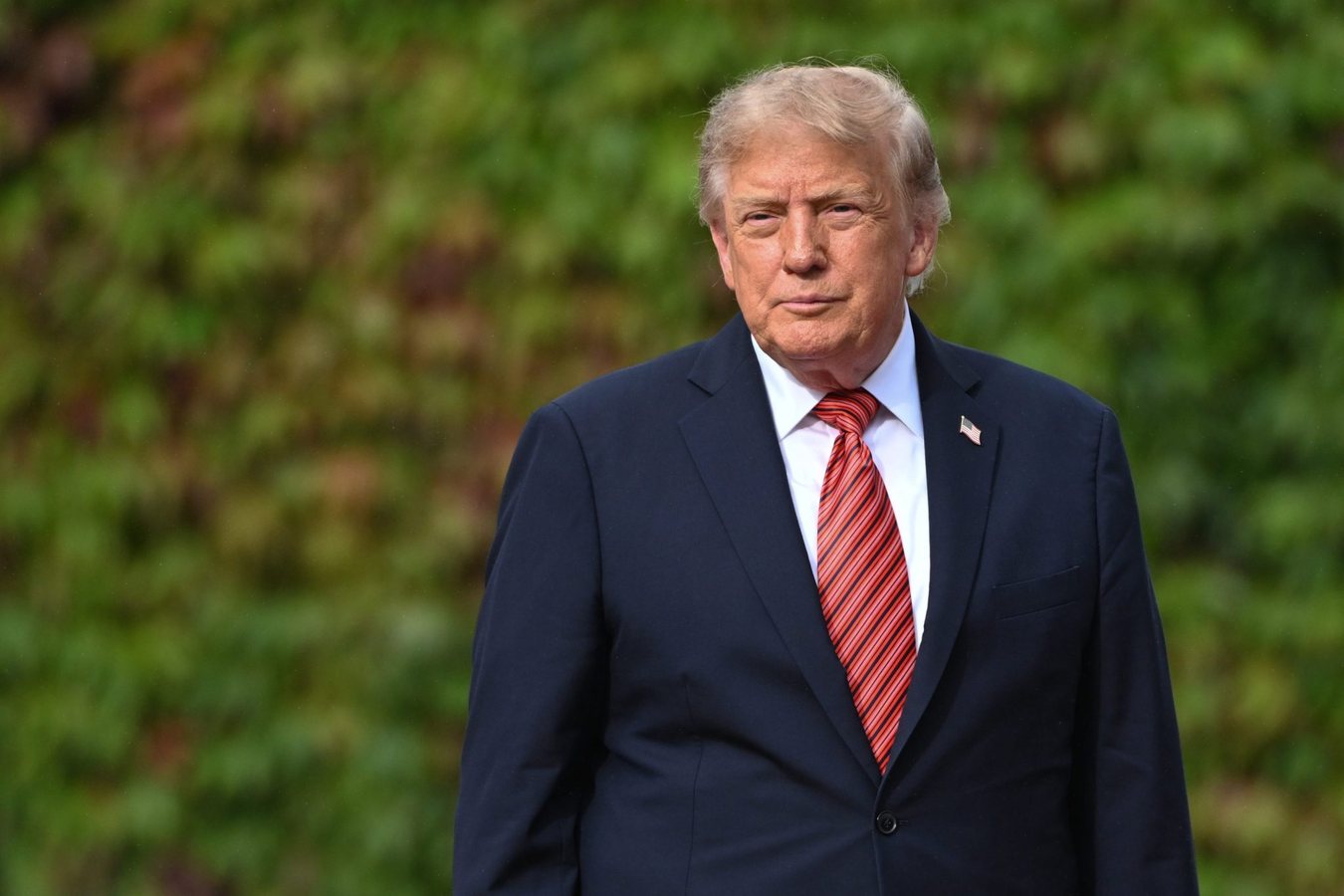
The CBO's figures are broadly in line with other assessments. Defense Secretary Pete Hegseth said in July that the war had cost $37.5 billion, while the Pentagon's latest update to Congress put the total at $42 billion. President Trump has consistently downplayed the scale of the operation, telling reporters earlier this month that it is a «military conflict» rather than a war. «A lot of people don't call it a war, I call it a military conflict because it's small potatoes for us, it's not a thing,» Trump said. He pointed to the 18 U.S. service members who have died in the conflict, a figure significantly lower than in recent wars, and described the strikes as «intermittent.»
The CBO echoed that relatively few U.S. forces have been involved compared with the much larger and longer operations in Iraq and Afghanistan. However, the financial costs to the federal budget and American households are substantial. In June, Moody's estimated the cost to consumers at $750 per household, or $100 billion in total. Much of that burden has come through increased military spending and higher prices driven by oil supply disruptions, according to Mark Zandi, chief economist at Moody's Analytics.
The conflict has dragged on longer than the White House initially estimated, and the costs are expected to grow if the violence persists. The CBO's report underscores the tension between the administration's characterization of the operation as limited and the mounting fiscal impact. While the direct military costs remain below the administration's supplemental request, the broader economic effects—including higher energy prices and supply chain upheaval—are already being felt by consumers. The report also notes that the estimate does not account for increased costs across other parts of the federal government, suggesting the true fiscal footprint is larger than the $38 billion figure.
As the operation continues, lawmakers are likely to face pressure to account for the growing expense. The CBO's analysis provides a baseline for that debate, offering a detailed breakdown of what the conflict has cost so far and what it could cost in the months ahead. The administration has not indicated a timeline for ending the operation, and the CBO's projections suggest that even a low-level conflict will require billions of dollars in additional funding. The human toll, while lower than in past wars, remains a factor in the public discussion, with 18 service members killed. The combination of military, economic, and human costs is likely to keep the Iran conflict in the center of Washington's budget and policy debates.