5 minNews
Trump Blames Canada for Wildfire Smoke, Suggests Pollution Costs Be Added to Tariffs
President Donald Trump accused Canada of willful negligence in forest management, blaming the country for wildfire smoke drifting into the U.S. and suggesting the economic costs of the pollution should be added to existing tariffs on Canadian imports.
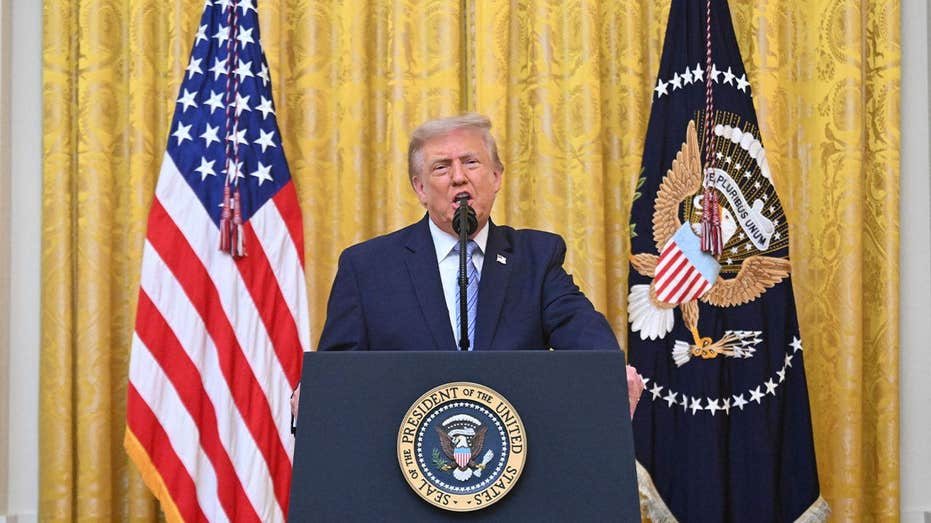
President Donald Trump on Friday blamed Canada for smoke from ongoing wildfires that has drifted into the United States, accusing the country of «willful negligence» in forest management and suggesting the economic costs of the pollution should be added to tariffs on Canadian imports. In a post on his Truth Social platform, Trump wrote that the United States is being «unnecessarily invaded by filthy, polluted, and unhealthy air, the quality of which is dangerous, and totally unacceptable.» He said he planned to call Canadian Prime Minister Mark Carney later Friday to discuss the issue.
Trump argued that Canada had refused to engage in «basic Forest Management and Debris Removal,» despite knowing such practices could help reduce the risk of devastating wildfires. «This is Willful Negligence, and becoming a yearly occurrence, costing the United States Billions of Dollars, which cost of this pollution must of necessity be added to the TARIFFS Canada is currently paying,» he wrote. The president did not specify how such costs would be incorporated into existing tariffs or whether he intended to pursue formal trade action tied to the wildfire smoke.
The comments come as smoke from nearly 850 active wildfires across Canada — including more than 180 in Ontario — has drifted into the United States, prompting air quality alerts in more than 20 states from the Upper Midwest to the Northeast, according to NASA. Health officials have warned that wildfire smoke can pose health risks, particularly for people with underlying heart or lung conditions, and have advised residents in affected areas to monitor local air quality and limit outdoor activity when conditions worsen. The smoke has caused hazy skies and reduced visibility in several major cities, including Chicago, Detroit, and New York.
Trump was not the only Republican leader to express frustration with Canada over the smoke. Representative Lisa McClain of Michigan took to X on Thursday to complain about poor air quality as more than 890 fires burned across Canada. Her frustration was met with backlash online, as critics pointed out that Canada had offered the United States help in January 2025 when wildfires ravaged southern California. The exchange highlighted the complex relationship between the two countries on environmental and trade issues.
Trump's tariff threats against Canada over the wildfires drew swift condemnation on social media. Democratic strategist Leslie Marshall called it «such a neighborly thing to do,» while Canadian journalist Geoffrey P. Johnston wrote that «America is kicking us when we are down. This is unforgivable. Canada & USA will never be friends again after this. Too many Americans are going along with Trump's insanity.» Others criticized Trump for what they described as climate science denial, with writer Matthew Todd pointing out that Trump is «aggressively heating the planet — and then blaming Canada.»
The president's remarks come amid an ongoing trade dispute between the United States and Canada. Trump has imposed tariffs on Canadian steel and aluminum, as well as on other goods, citing national security concerns and trade imbalances. Canada has retaliated with its own tariffs on American products. The suggestion that pollution costs from wildfires could be added to tariffs represents a new dimension in the trade conflict, blending environmental and economic issues.
Wildfires in Canada have become increasingly severe in recent years, with scientists linking the trend to climate change. The 2025 fire season has been particularly intense, with dry conditions and high temperatures fueling blazes across multiple provinces. Canadian officials have acknowledged the need for improved forest management but have also pointed to the role of climate change in exacerbating fire risks. The United States has faced similar challenges, with wildfires in California, Oregon, and other western states causing widespread damage and air quality problems.
Fox News Digital has reached out to the Canadian Prime Minister's Office and Natural Resources Canada for comment on Trump's statements. As of Friday evening, no official response had been issued. The situation remains fluid, with both countries grappling with the immediate health and environmental impacts of the smoke while navigating the broader political and economic implications of Trump's tariff threat.