6 minNews
NIH-funded foreign labs had biosafety lapses, records show
Federal records obtained by PETA show the NIH funded overseas animal research where containment and oversight failures occurred, including a Hendra virus bat study in Australia that was halted.
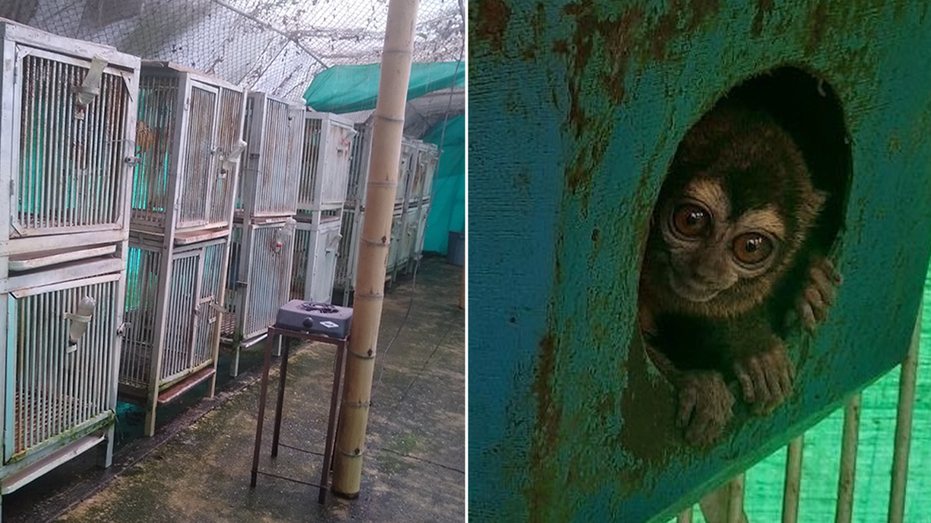
The National Institutes of Health awarded millions of taxpayer dollars to foreign animal research facilities where serious biosafety, containment and staffing failures allegedly occurred, according to federal records obtained by People for the Ethical Treatment of Animals and reviewed by Fox News Digital. One case involved a bat virus experiment in Australia that was abruptly halted after animal containment broke down.
The internal agency records and noncompliance reports indicate that federal health officials repeatedly approved funding or failed to identify major safety and oversight vulnerabilities until after taxpayer-funded experiments were already underway. On Monday, PETA sent a formal complaint to NIH Director Jay Bhattacharya demanding that the agency immediately halt all federal funding for animal experiments conducted outside the United States.
The disclosures come amid growing scrutiny on Capitol Hill over foreign research oversight. Renewed calls are being made for the bipartisan Cease Animal Research Grants Overseas Act, known as the CARGO Act, which would permanently prohibit the NIH from funding animal experiments in foreign countries.
According to the documents, the NIH funded a study on Hendra virus, a lethal bat-borne pathogen, at the Australian Centre for Disease Preparedness, operated by Australia's national science agency, CSIRO. The project, titled "Shining a light on bat cellular immunity following virus infection," was suspended by the facility's Animal Ethics Committee after serious operational failures surfaced.
Internal records describe a facility that lacked enough appropriately trained personnel to conduct animal procedures at the required biocontainment level, had inadequate contingency planning and unclear protocols, and kept flying foxes confined for long periods without proper enrichment. After a single flying fox tested positive for Hendra virus, staff killed all eight bats housed together because the room could not be elevated to Biosafety Level 4 containment. A ninth flying fox, housed separately at that level, was later killed after also testing positive.
The principal investigator alerted the NIH to the infections in May 2023, and the ethics board suspended the study weeks later. However, the NIH's Office of Laboratory Animal Welfare did not receive even a preliminary report of the suspension until April 2024, more than ten months after the shutdown, according to the records.
The documents suggest the Australian study was not an isolated case. At Newcastle University in the United Kingdom, where researchers conducted NIH-funded brain and stroke research on nonhuman primates, a 2025 federal review ordered the facility to reevaluate its personal protective equipment standards, tuberculosis screening and emergency procedures for testing potential human exposure to the deadly Herpes B virus.
The NIH has previously faced criticism over foreign grants. Following earlier international scandals, including a shuttered Colombian facility that received $17 million in U.S. funding while keeping monkeys in poor conditions, the agency pledged to implement enhanced oversight of foreign institutions in line with recommendations from the Government Accountability Office.
PETA's review of 124 federal files obtained through the Freedom of Information Act, however, indicates that NIH oversight relies almost entirely on self-reporting and scripted virtual site visits. Records show these visits were often announced months in advance, giving overseas facilities time to prepare. At Newcastle University, notice of a virtual visit was given in May 2025, but the visit did not take place until December.
According to the notification letters, the visits involved prearranged planning sessions, document reviews and camera tours in which foreign personnel controlled what monitors could see. The format gave federal regulators no ability to conduct unannounced inspections, review records in real time or hold confidential staff interviews.
Of 70 annual reports examined for active NIH-backed animal research at foreign labs between 2023 and 2025, 67 self-reported zero violations. The records also document administrative failures, including a $13 million tuberculosis vaccine adjuvant contract awarded to the University of Sydney in 2022, under which animal testing was outsourced to the Centenary Institute in Australia, an entity lacking the required NIH Foreign Animal Welfare Assurance. The setup went unnoticed for years until the university inquired about the death of an experimental mouse in 2025.
The NIH also confirmed it could find no records of an assurance for several foreign entities conducting U.S.-funded animal studies, including Australian biotech firm Kinoxis Therapeutics, which conducted opioid withdrawal experiments on dogs, rats and mice under a grant active through May 2026. Similar gaps were found for grants involving animal testing at institutions in Canada, Kenya and Israel. The NIH has not yet publicly responded to the specific findings in the records.
Source: foxnews.com
7