3 minNews
Tropical Storm Dolly Forms in the Atlantic as Fourth Named Storm of Season
Tropical Storm Dolly has formed in the Atlantic Ocean, becoming the fourth named storm of the 2026 hurricane season as forecasters track its path.
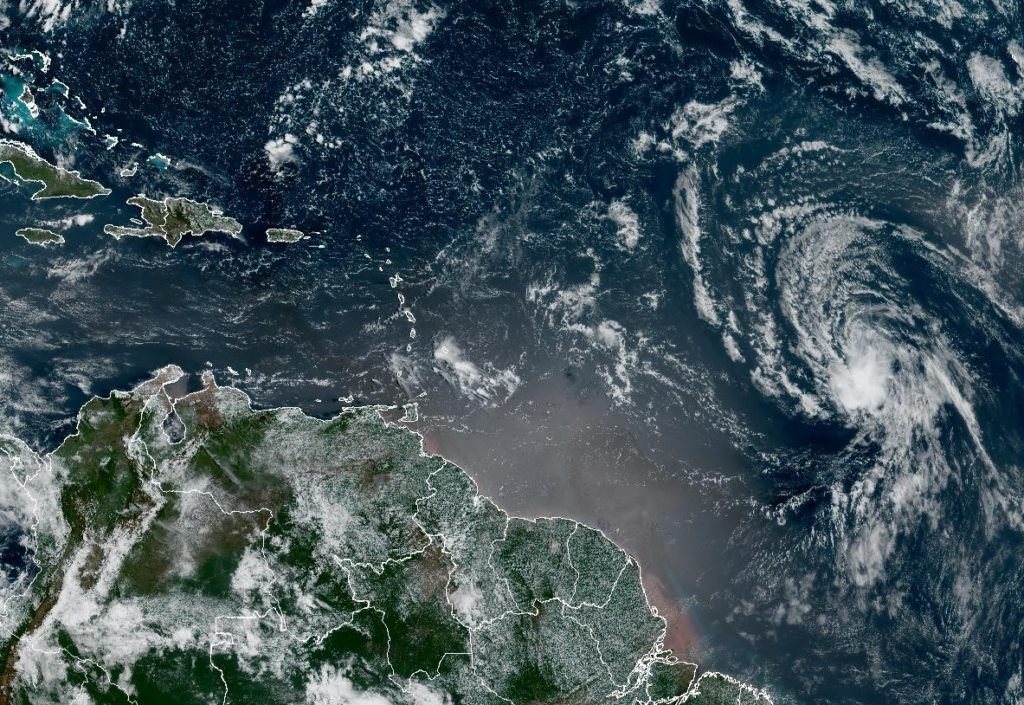
Tropical Storm Dolly has formed in the Atlantic Ocean, becoming the fourth named storm of the 2026 hurricane season, according to the National Hurricane Center. The system, previously designated as Invest 96L, strengthened into a tropical storm as it moved across the open waters of the Atlantic, prompting forecasters to issue tracking advisories for the region.
The storm's development comes as meteorologists continue to monitor atmospheric conditions across the Atlantic basin, where warm sea surface temperatures and favorable wind patterns have contributed to an active start to the season. Dolly's formation follows the earlier development of other named systems, marking a steady pace of tropical activity in the 2026 calendar.
Forecast models indicate that Dolly is moving in a general westward-to-northwestward direction, a common trajectory for storms forming in the tropical Atlantic during late August. While the storm is currently over open water, forecasters are closely watching its potential path to determine whether it poses any threat to land areas in the coming days.
The National Hurricane Center's advisories provide the latest information on Dolly's position, intensity, and projected track, with updates issued every few hours as the storm evolves. Residents in coastal areas, particularly those in the Caribbean and along the southeastern United States, are advised to stay informed of the storm's progress as it continues to develop.
The formation of Dolly highlights the ongoing activity in the Atlantic hurricane season, which typically peaks between mid-August and late October. Meteorologists have noted that conditions in the tropical Atlantic remain conducive to further development, with several other disturbances being monitored for potential organization in the days ahead.
As Dolly moves through the Atlantic, forecasters will continue to analyze data from satellites, hurricane hunter aircraft, and computer models to refine their predictions. The storm's intensity could fluctuate as it interacts with atmospheric conditions, including wind shear and dry air, which can either weaken or strengthen tropical systems.
For now, Dolly poses no immediate threat to land, but the situation remains fluid. The National Hurricane Center urges the public to rely on official forecasts and warnings rather than unverified information, especially as the storm's path becomes clearer over the next several days.
The 2026 Atlantic hurricane season has already demonstrated its potential for activity, and Dolly's formation serves as a reminder of the importance of preparedness for communities in hurricane-prone regions. Officials recommend that residents review their emergency plans, assemble supply kits, and stay tuned to local weather updates as the season progresses.
57