5 minNews
Tourist Plane Crash in Peru Kills All 13 People on Board, Airline Says
Aerodiana airline confirmed that all 13 people aboard a tourist flight near Nazca, Peru, died in a crash. The plane was carrying European tourists on a viewing flight over the famous Nazca Lines.
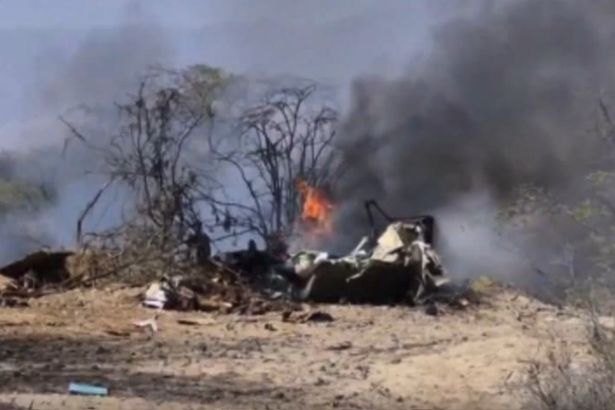
A tourist plane crashed just outside the city of Nazca in Peru, killing all 13 people on board, according to the airline operating the flight. The company, identified as Aerodiana, broke its silence on the disaster by extending its heartfelt condolences to the families of the victims, confirming the tragic outcome of the flight.
The aircraft went down on a route used to view the Nazca Lines, one of Peru’s most popular archaeological and tourist attractions. The Nazca Lines are a series of ancient geoglyphs etched into the desert floor, a UNESCO World Heritage site that draws visitors from around the globe who take small planes to appreciate the massive figures from the air. The crash site is located just outside the city of Nazca, which serves as the primary base for these scenic overflights.
According to initial reports from international news agencies, the victims include 11 European tourists. The nationalities of the passengers and crew have not yet been fully disclosed by Peruvian authorities, but the flight was described as a sightseeing tour intended to showcase the area’s unique archaeological features. The two pilots are also reported to be among the deceased.
The crash occurred on a flight operated by Aerodiana, a regional airline known for tourism-related air services in southern Peru. In its first public statement following the incident, the airline offered condolences to the families of the 13 victims and indicated that it is cooperating with the official investigation into what caused the deadly accident. The company has not yet provided specific details about the aircraft model or the exact circumstances of the crash, and aviation officials have not released a preliminary cause.
The tragedy marks another devastating blow for a region whose economy depends heavily on tourism. Nazca has long served as a gateway for travelers eager to see the mysterious lines, which are best observed from the air. The loss of a sightseeing flight carrying foreign tourists is expected to raise new questions about the safety standards of small, regional aviation operators that shuttle visitors to the site. Peruvian aviation authorities are expected to launch a full investigation into the disaster, including examining the plane’s maintenance record, the pilots’ experience, and the weather conditions at the time of the flight.
News of the fatal accident spread quickly, with international media outlets picking up the story as a major travel-safety event in South America. Nearly all major wire services, including The Associated Press, reported on the incident within hours of the confirmation of the death toll. The high number of foreign nationals among the victims has made the crash an international matter, with multiple European embassies likely to become involved in consular support and the process of repatriating the remains of the victims.
The Nazca Lines have attracted worldwide attention for decades due to their scale and the mystery surrounding their creation. Designated as a UNESCO World Heritage Site, the geoglyphs depict various animals and geometric shapes and are best seen from high altitudes, making sightseeing flights a common yet critical component of the local tourist economy. However, such operations, often conducted with small aircraft, carry inherent risks, and several accidents have been recorded in the region over the years, highlighting the challenges of operating in the rugged desert conditions.
The crash occurred at a time when Peru’s tourism sector is working to regain momentum, positioning sites like Nazca as essential destinations for international travelers. The sudden loss of all lives on board will likely trigger a tightening of safety inspections for companies operating similar routes. Local authorities have not yet issued a statement regarding potential flight suspensions, but the aviation regulator has been urged to review the circumstances promptly to ensure the safety of remaining sightseeing operations.
As the official investigation begins, the focus remains on identifying the victims and supporting their families. Aerodiana’s brief statement is expected to be followed by more detailed announcements regarding the recovery of the wreckage and the retrieval of flight data, which could provide answers to a grieving public and a shaken tourism industry.