4 minNews
Spotify to Label AI Artist Personas and Limit Their Recommendations
The service will begin marking synthetic artist identities in mid-September and exclude them from algorithmic and editorial discovery by default.
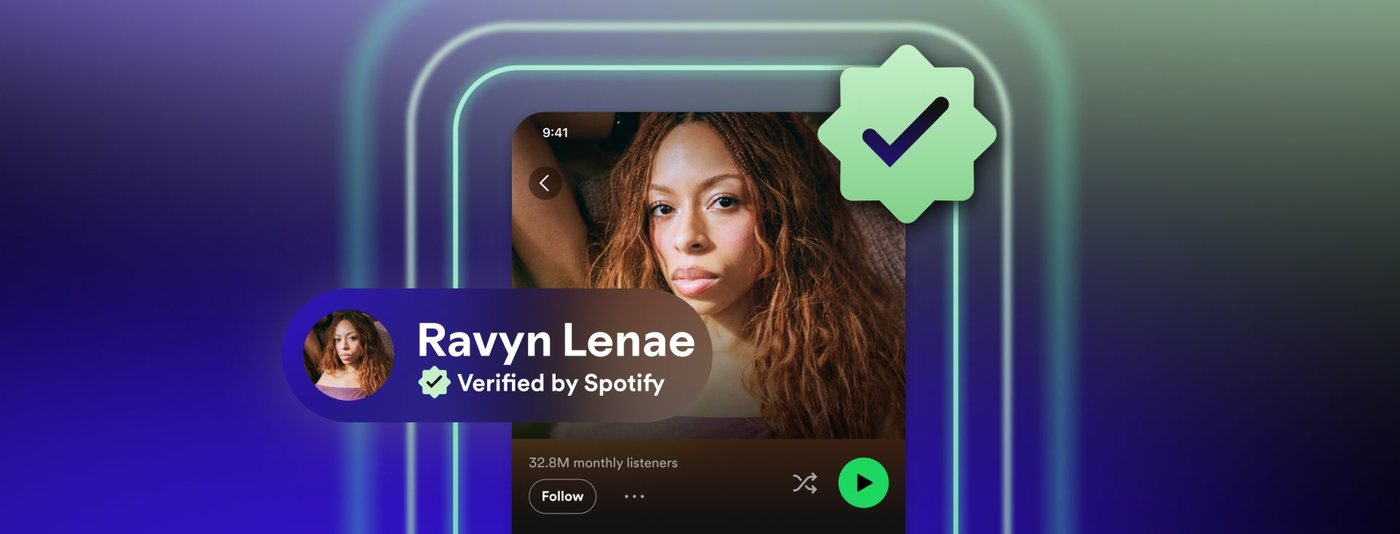
Spotify will begin labeling artist profiles that represent AI-generated personas and will remove those acts from its default recommendation channels, a significant change in how the streaming service distinguishes synthetic identities from human performers.
The policy is scheduled to begin rolling out in mid-September 2026. Profiles determined to represent a fictional artist rather than a real person will receive an “AI Persona” label. Spotify will exclude those profiles by default from personalized recommendation systems and editorial selections, meaning they should no longer be surfaced to listeners in the same way as ordinary artists when the listener has not shown a specific interest in them.
The company is not removing those profiles from its catalog. Listeners will remain able to search for an AI Persona and play its music. They can also actively follow the profile. Reports on the rollout indicate that following such an account can allow it to influence a listener’s recommendations again. Spotify’s own help documentation says following an artist is one of the signals used to improve recommendations.
That point also corrects a potential misunderstanding around the word “subscription.” The new rule does not require a separate paid Premium subscription in order to hear an AI Persona. The relevant action is following the artist profile, not purchasing a special tier.
Spotify is defining the label around identity rather than around the presence of AI in a recording. Human artists who use artificial intelligence in parts of their creative process are not automatically classified as AI Personas. Spotify’s AI credits feature can identify specific roles in a track—such as lyrics, vocals, instrumental performance, or production—that were generated with AI.
The company’s current verification rules use the same distinction. Since April, profiles that primarily represent AI-generated or AI-persona artists have not been eligible for the “Verified by Spotify” authenticity badge. Human artists who use AI responsibly can remain eligible if they present themselves authentically and meet the platform’s other criteria.
Spotify will allow creators to disclose that a project is an AI Persona, but it also plans to conduct its own reviews. Human moderators and AI tools will be used to examine profiles, with higher-audience accounts prioritized. Where the company has evidence but not enough certainty for a final classification, a “Likely AI Persona” label may be used. Artists will have an avenue to appeal a designation they believe is incorrect.
The change follows earlier policies aimed at AI-enabled deception and spam. Spotify says it removes music that clones a real artist’s voice without authorization. In September 2025, the company said it had removed more than 75 million spammy tracks over the preceding 12 months as generative tools accelerated mass uploads and other forms of catalog manipulation.
The September rollout does not resolve every debate about synthetic music. It leaves AI-created projects on the platform and does not require every song made with generative tools to be treated alike. Instead, it changes the default for discovery: if the performer itself is fictional, Spotify will disclose that fact and stop its recommendation systems from introducing the act unless the listener first chooses to engage.
For a service whose algorithms shape a large share of everyday music discovery, that default is a material policy decision. The music remains available, but the platform is moving the first choice—from its recommendation engine back to the listener.
81