5 minNews
California Gas Prices Surge Ahead of Labor Day Weekend
Gas prices in California are climbing sharply as Labor Day weekend approaches, driven by rising tensions between the United States and Iran that have created uncertainty in global oil markets. Drivers face the possibility of record-high pump prices during one of the busiest travel periods of the year.
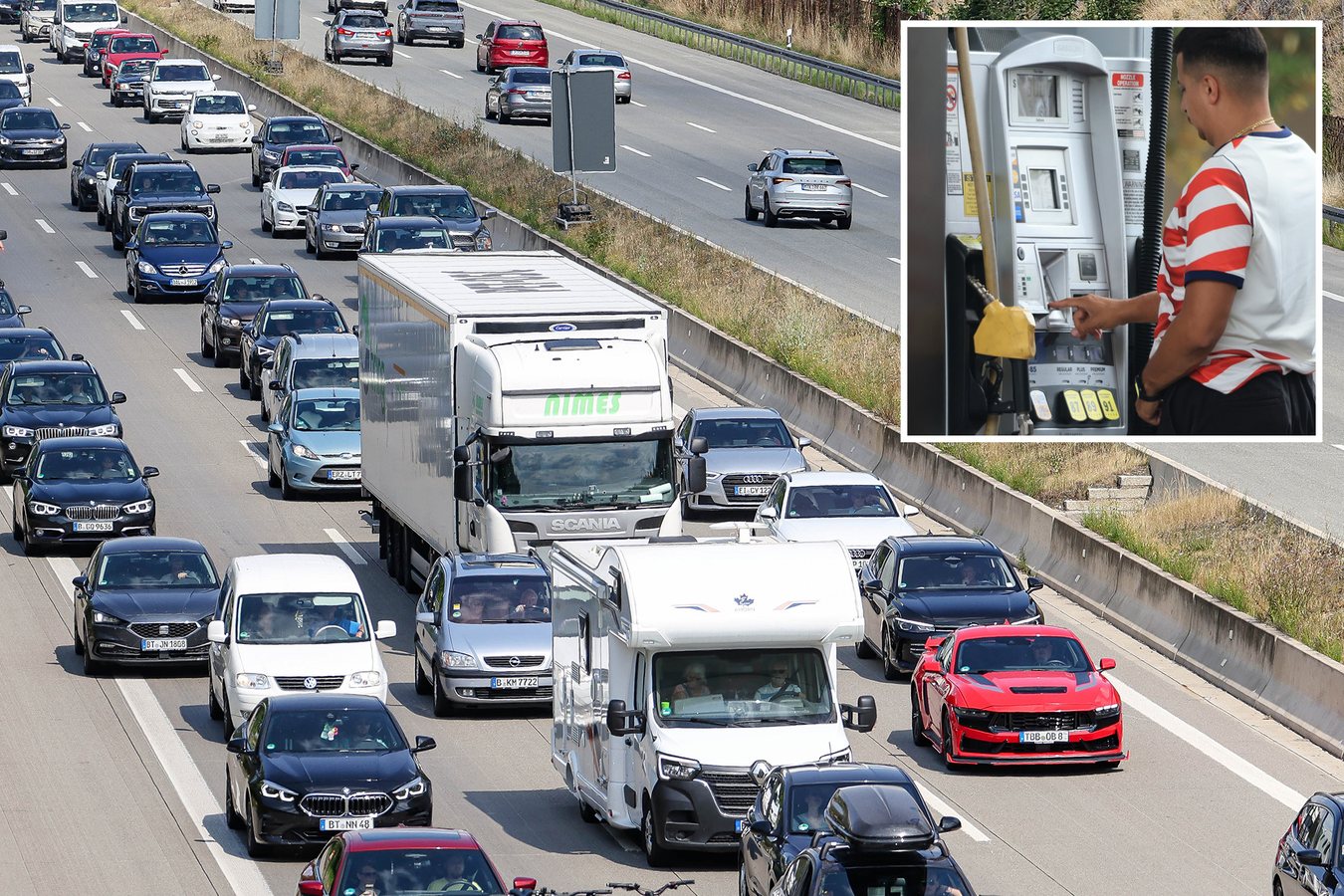
California drivers are facing a painful holiday weekend as gas prices continue to climb, with the possibility of record-setting costs at the pump just as millions of residents take to the roads for Labor Day. The surge is part of a broader national trend, fueled by rising tensions between the United States and Iran that have injected fresh uncertainty into global oil markets.
Industry analysts point to the combination of geopolitical instability and California’s unique fuel requirements as the main drivers behind the sharp increases. The state mandates a special blend of gasoline designed to reduce air pollution, a factor that often makes its fuel more expensive than the national average and can amplify price swings when supply is disrupted.
According to recent data, average gas prices in California have risen well above the national figure, with some regions approaching or exceeding previous holiday records. The timing is particularly painful for consumers, as Labor Day weekend traditionally marks one of the busiest travel periods of the year, with millions of Californians planning road trips, family visits, and end-of-summer getaways.
The national picture is also concerning for motorists. Prices across the United States have been trending upward in recent weeks, reversing a period of relative stability earlier in the summer. The uncertainty surrounding U.S.-Iran relations has made oil markets jittery, with traders pricing in the risk of supply disruptions in the Middle East, a region that accounts for a significant share of global crude production.
Iran has been a recurring flashpoint in global energy markets, and any escalation in tensions tends to have an immediate effect on oil prices. The latest round of friction has revived memories of previous spikes, when geopolitical events sent gasoline prices soaring within days. While the United States has increased its domestic oil production in recent years, it remains sensitive to global price movements, and California, in particular, is vulnerable due to its limited pipeline capacity and reliance on imports from other states and countries.
For California drivers, the pain at the pump is compounded by state taxes and fees, which are among the highest in the nation. The state’s cap-and-trade program, designed to reduce greenhouse gas emissions, also adds to the cost of fuel. These structural factors mean that even modest increases in crude oil prices can translate into significant jumps at the retail level.
Consumer groups have expressed concern about the impact of rising gas prices on household budgets, especially for lower-income families and those who depend on their vehicles for work. The timing of the surge, right before a major holiday, has also raised questions about whether drivers will alter their travel plans or cut back on other spending to offset the higher costs.
Some analysts suggest that prices could ease after the holiday weekend if geopolitical tensions subside, but they caution that the market remains highly volatile. Any further escalation in the Middle East could push prices even higher, while a diplomatic breakthrough could provide quick relief. For now, however, California motorists are bracing for what could be one of the most expensive Labor Day weekends in recent memory.
Local news outlets have reported long lines at some gas stations as drivers rush to fill up before prices rise further, though no widespread shortages have been reported. State officials have urged motorists to shop around for the best prices and to consider using public transportation where possible, but for many, driving remains the only viable option, especially in rural and suburban areas where transit options are limited.
The broader economic implications are also being watched closely. Higher fuel costs can feed into the prices of goods and services, as transportation expenses are often passed on to consumers. This could add to inflationary pressures at a time when the Federal Reserve is already grappling with how to manage the economy. However, economists note that the current price increases, while painful, are still below the peaks seen in previous years, and the overall impact on the national economy may be limited unless the situation escalates further.
As the holiday weekend unfolds, all eyes will be on the latest price data and any developments in U.S.-Iran relations. For California drivers, the immediate concern is simple: how much will it cost to fill up the tank, and will the price keep climbing before the weekend is over?
57