4 minNews
Pentagon polygraphs dozens of Joint Staff officials in leak investigation
The Pentagon has subjected up to 50 senior military officials to polygraph tests as part of an aggressive hunt for leaks, with reports indicating President Trump was furious about unauthorized disclosures.
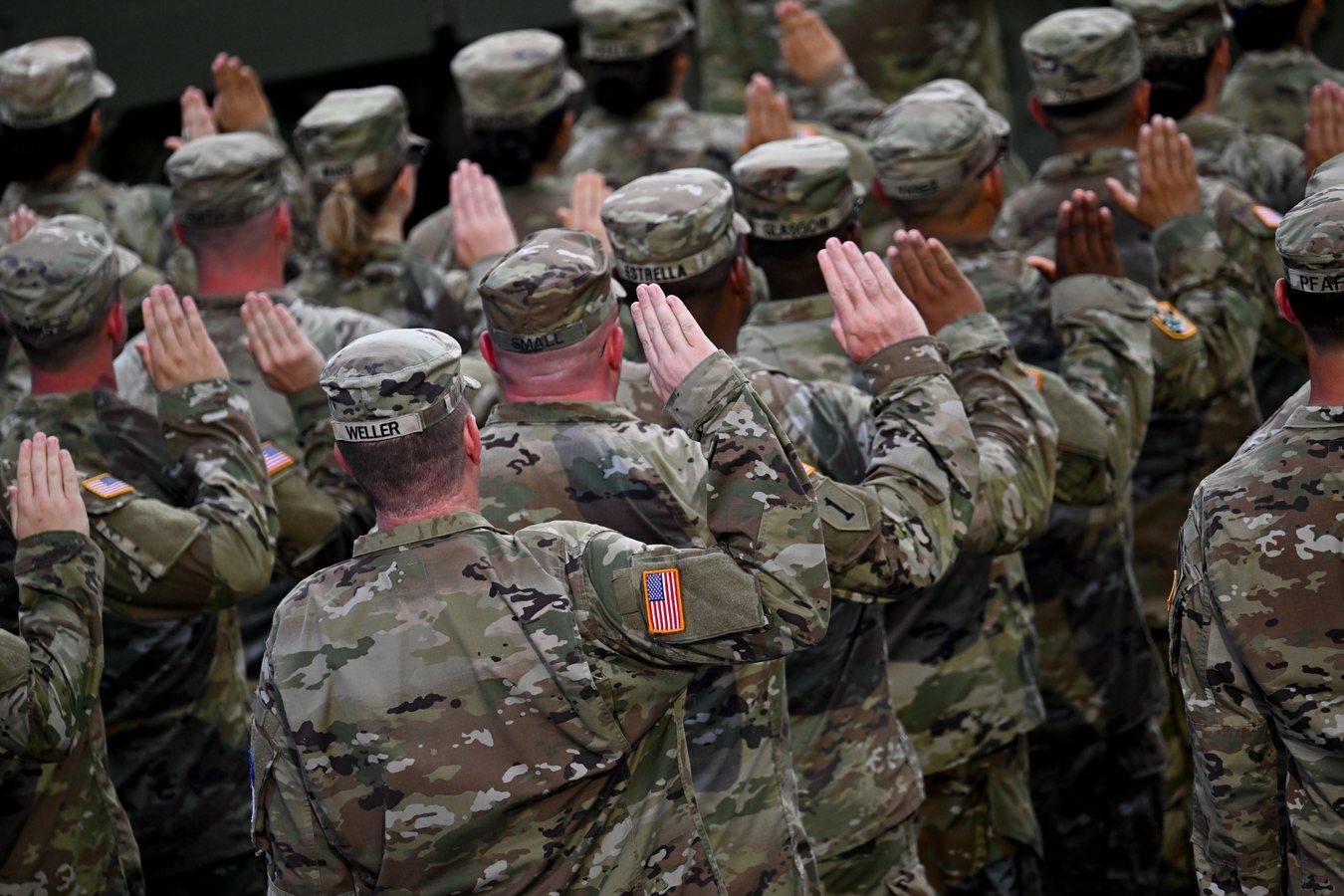
The Pentagon has launched an aggressive leak investigation that includes polygraph testing of up to 50 senior members of the military's Joint Staff, according to officials briefed on the operation. The move marks one of the most extensive internal security crackdowns in recent memory, targeting some of the highest-ranking officers in the U.S. military establishment.
Government investigators have been administering the lie-detector tests to Joint Staff members as they search for the source of unauthorized disclosures that reportedly angered President Trump. Reports indicate the president was furious about the leaks, prompting the Department of Defense to take the unusual step of subjecting dozens of top officials to scrutiny typically reserved for personnel handling the most sensitive classified material.
The Joint Staff, which operates under the Chairman of the Joint Chiefs of Staff, comprises senior officers from all branches of the military who coordinate joint operations and advise the president and secretary of defense on national security matters. The decision to polygraph such a large number of senior officials reflects the seriousness with which the administration views the unauthorized release of information.
Officials briefed on the matter said the polygraph examinations are part of a broader investigation that began after sensitive operational details appeared in media reports. The scope of the testing, covering up to 50 individuals, suggests investigators have not yet identified a single suspect and are casting a wide net across the military's senior leadership structure.
Polygraph tests have long been a controversial tool in government security investigations. While the Department of Defense routinely uses them for personnel seeking access to highly classified programs, their application to sitting senior officials is far less common. Critics of the practice note that polygraphs measure physiological responses rather than truth itself, and their results are not always admissible in legal proceedings.
The investigation comes at a time of heightened tension between the executive branch and the military establishment over the handling of sensitive information. The Pentagon has not publicly commented on the scope of the polygraph program, and it remains unclear how long the testing will continue or whether additional officials may be subjected to examination.
Military personnel who refuse to submit to polygraph testing in such investigations typically face administrative consequences, including potential loss of security clearances or reassignment from sensitive duties. The current round of testing involves officials who hold some of the most sensitive positions within the defense establishment, raising questions about the potential impact on military operations and morale.
The leak investigation represents a significant escalation in the administration's efforts to control the flow of classified information. Previous leak probes have often focused on lower-level personnel or contractors, but the decision to test senior Joint Staff members signals that no level of the military hierarchy is exempt from scrutiny in this case.
As the investigation continues, defense officials are expected to review the results of the polygraph examinations and determine whether any of the tested individuals warrant further scrutiny. The outcome of the probe could have lasting implications for trust between the White House and the military's senior leadership, as well as for the broader culture of information security within the Pentagon.
78