5 minEconomy
U.S. Emergency Crude Reserve Drops to 298.7 Million Barrels
Department of Energy data dated Aug. 7 put the Strategic Petroleum Reserve below 300 million barrels and at its lowest level since 1983 as a 172-million-barrel emergency release continues.
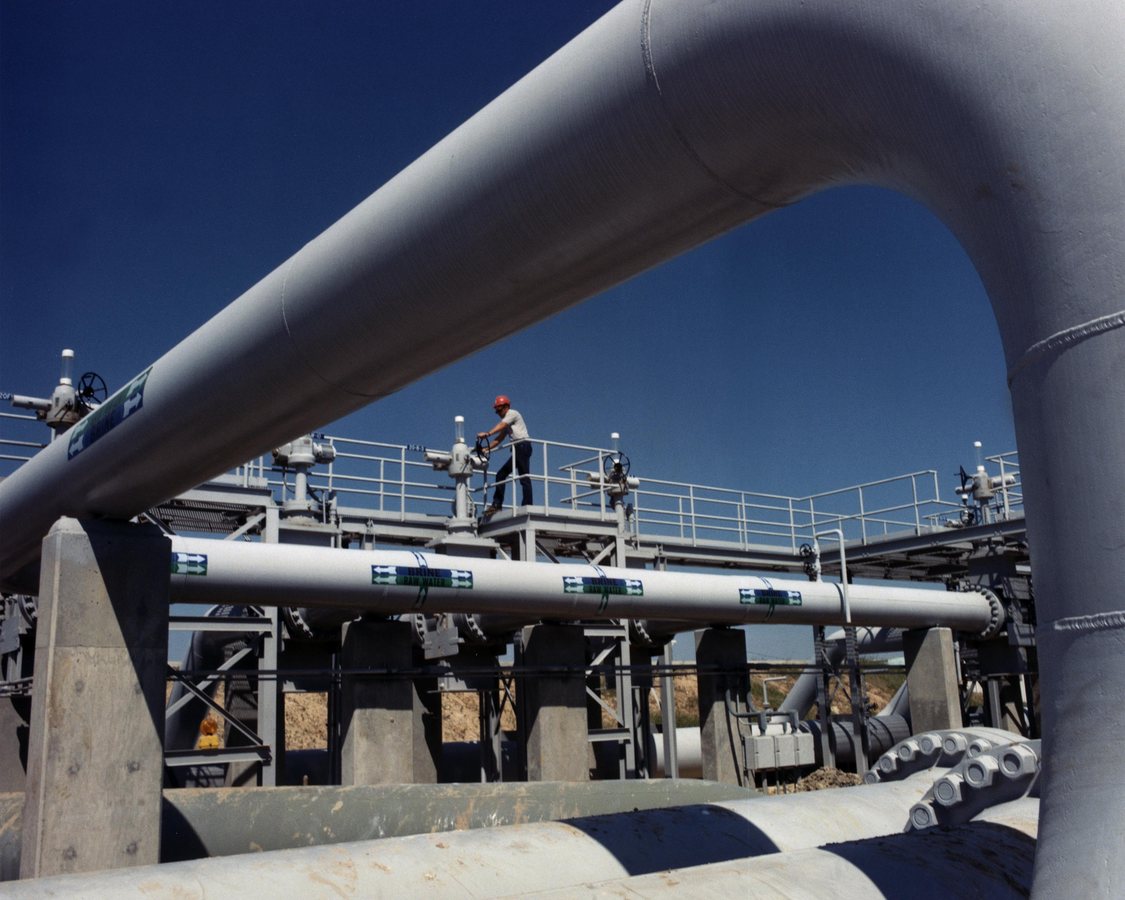
The U.S. Strategic Petroleum Reserve fell to 298.7 million barrels as of Aug. 7, according to Department of Energy inventory data, putting the federal emergency crude stockpile below 300 million barrels and at its lowest level since 1983.
The department's current inventory lists 105.3 million barrels of sweet crude and 193.4 million barrels of sour crude. The reserve consists of crude oil stored for energy emergencies; it should not be confused with commercial or government inventories of finished gasoline.
Recent federal data show the decline has been sustained rather than concentrated in a 12-day period. The Energy Information Administration reported 325.655 million barrels in the SPR for the week ending June 26. That figure was widely rounded to 325.7 million barrels in reporting published June 29.
By July 24, the EIA total was 307.650 million barrels. It fell to 304.809 million in the week ending July 31. The Energy Department's Aug. 7 figure of 298.7 million represents a further decrease of about 6.1 million barrels from the July 31 weekly level.
Measured from June 26 to Aug. 7, the reserve declined by about 26.96 million barrels, or 8.3%, over six weeks. The date distinction is significant because placing the 325.7-million-barrel figure on July 29 would incorrectly compress the same decline into less than two weeks.
The longer 2026 trend is larger. EIA data show 415.442 million barrels for the week ending March 20. Compared with the Aug. 7 inventory, the stockpile has fallen by about 116.7 million barrels, or 28.1%, from that March level.
The drawdown follows a policy announced by the Energy Department on March 11. The department said the United States would release 172 million barrels from the SPR as part of a coordinated action by the 32-member International Energy Agency. The combined international action was designed to make 400 million barrels available, with U.S. deliveries scheduled over approximately 120 days.
DOE has implemented the U.S. action through emergency exchanges. In an exchange, companies receive crude from the reserve and agree to return crude later, including additional barrels as a premium. The agency said in March that it intended to arrange for roughly 200 million barrels to be returned to the SPR within the following year.
That mechanism makes the present inventory level different from a permanent disposal of the same volume. The reserve is physically lower while oil is out on exchange, but the contracts create obligations for future barrels to return. The pace and timing of those returns will matter for the reserve's eventual recovery.
The historical threshold is nevertheless notable. EIA records show 298.379 million barrels in the reserve for the week ending Jan. 28, 1983 and 300.917 million for the following week. An inventory of 298.7 million barrels places the SPR back near the levels recorded at the start of that year.
Congress established the reserve after the energy shocks of the 1970s to provide an emergency supply of crude oil during severe disruptions. The system has authorized storage capacity of 714 million barrels and uses underground salt caverns at four Gulf Coast sites in Texas and Louisiana.
At the current 298.7-million-barrel level, the SPR holds about 42% of its authorized capacity. Capacity, however, is not the same as an operational target: the amount held at any given time reflects policy decisions, emergency releases, exchanges, acquisitions and the physical condition of storage facilities.
The immediate focus will be on the remaining schedule of the 2026 exchange program and the point at which returns begin to outweigh withdrawals. The EIA's weekly series will continue to provide the clearest public measure of that transition, while the Department of Energy's inventory updates show the reserve's current physical position.
73