2 minEconomy
Oil prices fall as strong Gulf exports offset Iran tensions
Oil prices slipped as robust exports from Gulf producers eased concerns over escalating tensions involving Iran, while investors weighed the risk of a looming supply glut.
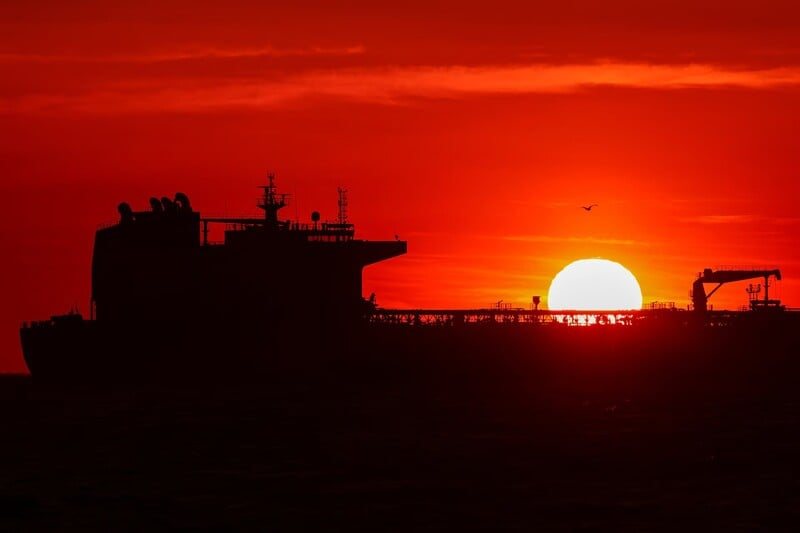
Oil prices fell as strong shipments from Gulf producers helped offset the market impact of rising tensions involving Iran, while traders continued to weigh the risk of a global supply glut. The decline reflected a tug-of-war between geopolitical risk premiums that had been building in recent sessions and the steady flow of crude from major exporting nations.
Analysts have pointed to robust export volumes from the Gulf region as a key factor keeping supply comfortably ahead of demand. Escalation in Iran has typically lifted crude prices by raising fears of disruption to shipping routes and output in the Middle East, a region that accounts for a large share of global oil exports. This time, however, the reassurance provided by steady Gulf flows has been enough to temper those concerns, at least for the moment.
The market's broader outlook remains uncertain. Concerns about oversupply have resurfaced as production capacity grows and some forecasters expect demand growth to slow. If inventories continue to build, the balance between geopolitical tension and abundant barrels could tilt prices further, making the market sensitive to any change in the flow of exports from the region or in the tone of diplomatic exchanges involving Iran.
For consumers and businesses, the immediate effect of lower crude prices can ease pressure on fuel costs, transportation, and manufacturing inputs. For policymakers, especially central banks watching inflation, sustained shifts in energy prices remain an important variable. Energy markets are therefore likely to remain closely tied to developments in the Gulf, where any renewed escalation could quickly revive the risk premium that traders have only partly unwound.
Source: investing.com
21