5 minEconomy
Fed governor Chris Waller warns 3% inflation is becoming the norm
Fed Governor Chris Waller says Americans are beginning to accept 3% inflation as normal and argues the central bank may need to act aggressively, including a possible half-point rate hike in December.
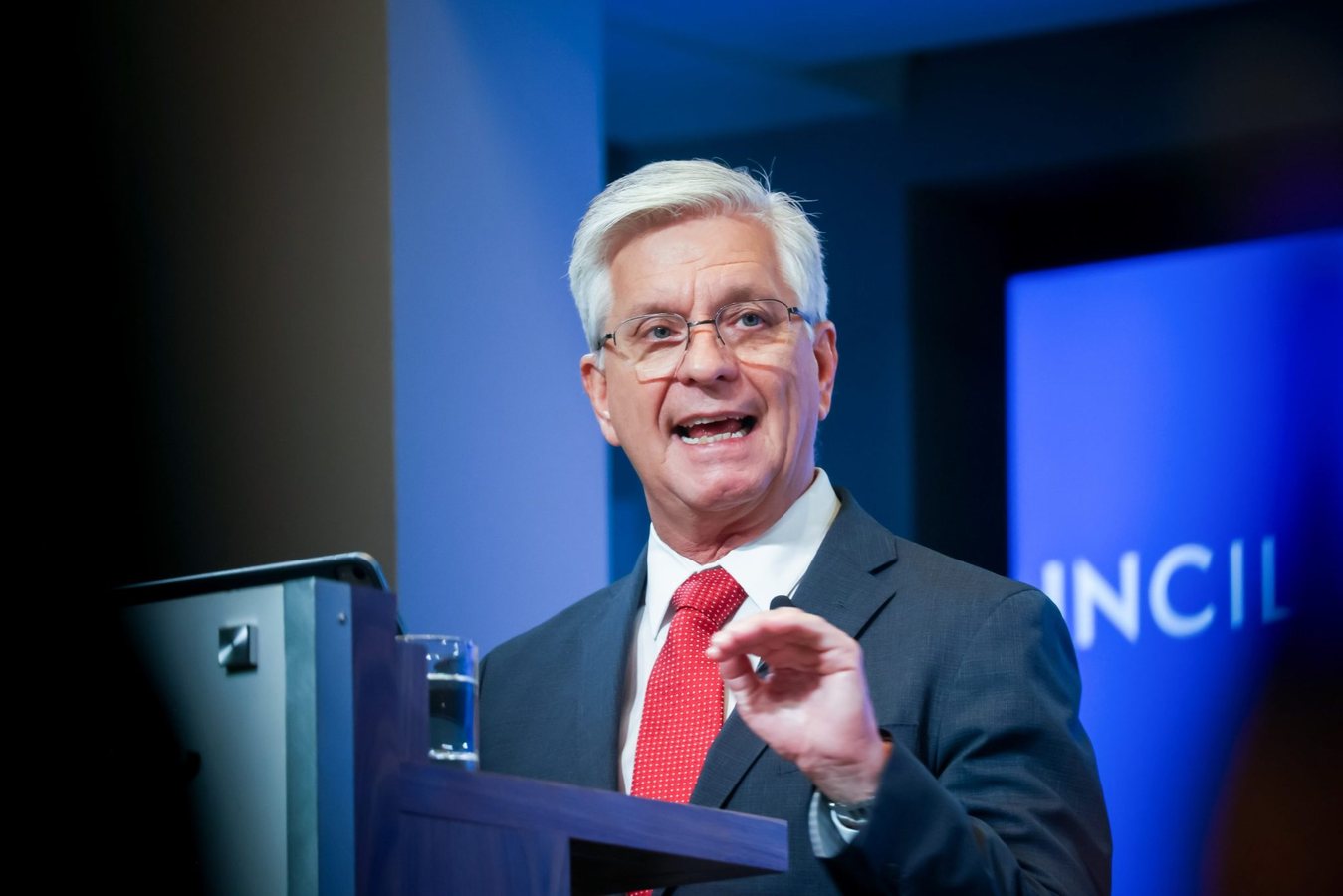
Federal Reserve Governor Chris Waller says Americans are starting to treat 3% inflation as normal, and he believes the central bank may need to "shock people" out of that expectation. In a CNBC interview on Wednesday, Waller argued that the Fed must act quickly to prevent higher prices from becoming embedded in household and business behavior.
The latest consumer price index showed inflation running hotter than expected, moving further away from the Fed's 2% target. Prices have remained above that threshold for more than five years, which makes it harder for consumers and businesses to view price increases as a temporary blip. Waller warned that inflation is spreading beyond the categories most affected by higher energy prices or tariffs, reaching into so-called core services.
Waller described a conversation he had the previous week with a businessman who passed a 3% price increase on to customers because he believed they could absorb it. "And that's when you start having problems of trying to get inflation down," Waller said. "So you might need to like shock people to say, wait a minute 3% is not the number you should be thinking about going forward."
The concern is that once households and firms expect prices to keep rising about 3% a year, they set wages and prices accordingly, creating a self-reinforcing cycle. Keeping consumers' inflation expectations anchored is a top priority for the Fed. The central bank previously resisted a more hawkish stance because it considered expectations to be well anchored. Waller now says that is no longer the case. "People are starting to think 3% may be the norm," he said. "That's the kind of psychology we need to start breaking, is that it's not going to be three, and we have to do something to try to bring it back down. We can't wait."
Waller believes the Fed needs to be "a little more aggressive" on interest rates. He has floated a potential half-point increase at the Fed's December 8-9 meeting. Such a move would lift the benchmark rate to a range of 4.25% to 4.5%, up from the current 3.75% to 4%. The Fed raised rates in September for the first time in more than three years and held steady in October.
Financial markets are not yet positioned for that scenario. According to CME Group's FedWatch tool, futures are fully pricing in a quarter-point hike in December. Waller said a quarter-point move could be enough if the Fed clearly signaled another increase in January. However, Fed Chair Kevin Warsh has opposed that kind of forward guidance, arguing that it constrains policymakers.
The inflation picture has been complicated by the staggered effects of President Donald Trump's tariffs. Negotiations and legal challenges kept the levies switching on and off, and businesses spread the cost increases over time rather than passing them through all at once. Meanwhile, the Iran war shows no sign of winding down, and Trump has rejected further talks. Oil prices have eased from earlier highs but remain volatile and spike whenever fighting in the Persian Gulf flares up.
Those pressures appear to be weighing on attitudes. Minutes from the Fed's October meeting, released the same day as Waller's interview, showed that staff flagged the risk that longer-run inflation expectations could have become unanchored after five years of elevated inflation. Fed Governor Lisa Cook made a similar point on Friday, explaining her dissenting vote in favor of a rate hike at the last meeting. "My vote reflected the urgency I feel to tackle inflation," she said in prepared remarks for a conference in Chile, warning that every additional day raises the risk that price- and wage-setters revise their expectations upward.
Not all policymakers share that urgency. New York Fed President John Williams said on Tuesday there is no need for "dramatic action," arguing that the more gradual approach of recent months is working. He acknowledged that inflation is not moving in the right direction but said the economy remains resilient and the labor market is solid. That resilience, however, is also what allows businesses to pass on larger price increases.
Waller said the Fed may need to reverse the three rate cuts it made in 2025 and could have to go further. "If the policy rate last summer in 2025 wasn't bringing inflation down, getting back to that isn't going to bring it down," he told CNBC. "So we may have to go above three hikes plus maybe some more to get it to start actually coming back down."
Source: fortune.com
43