2 minEconomy
Oil prices edge higher after Houthi attacks on Riyadh raise supply fears
Crude oil futures rose slightly as Houthi missile and drone attacks on Saudi Arabia's capital Riyadh intensified concerns about disruption to global crude supply.
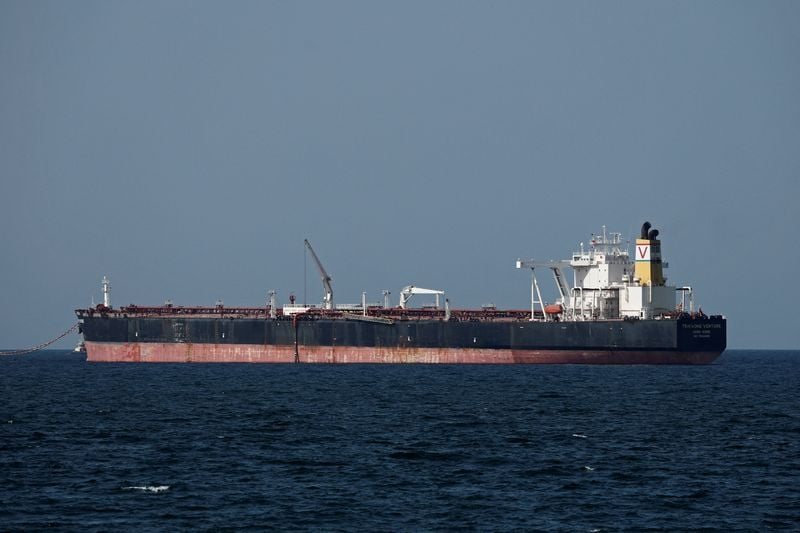
Oil prices edged higher as fresh Houthi attacks on Riyadh revived concerns about the security of crude supply from the Middle East, a region that supplies a large share of the world's oil. Benchmark crude contracts moved modestly upward as traders weighed the risk that the conflict could spread to Saudi energy infrastructure.
The attacks on the Saudi capital marked a sharp escalation in a conflict that has already drawn in shipping lanes and energy assets across the region. Market participants have been watching closely for any sign that producers in the Gulf could face interruptions to output or export routes, since even a brief disruption can move prices quickly when spare capacity is limited.
The modest gain reflected a market that is nervous rather than panicked. Traders have been balancing the geopolitical risk against broader concerns about demand, particularly in major importing economies, which have limited how far prices can rise on supply worries alone. Analysts said the direction of prices would depend on whether the attacks result in lasting damage to production or export capacity.
For consumers and businesses in the United States, movements in crude prices feed through to gasoline costs, transportation expenses and input prices across the economy. Energy costs remain one of the main channels through which events abroad affect household budgets, which is why supply-related developments in the Gulf attract sustained attention from policymakers and the Federal Reserve as they assess inflation pressures.
The episode also underscores how exposed global energy markets remain to regional conflict. Saudi Arabia is among the largest oil exporters in the world, and any sustained threat to its facilities or to the routes used to ship its crude would have consequences far beyond the Middle East. Investors will be watching for further developments, official statements from Gulf producers and any signs that the attacks are affecting actual output rather than only sentiment.
Source: investing.com
34