4 minEconomy
Millennials and Gen Z Are Living at Home Into Their 30s as Housing Costs Bite
The share of Americans in their 20s and 30s living with their parents has climbed from about 15% in 1980 to 22.4% today, and housing researchers expect it to hold steady through 2030 as affordability pressures and changing attitudes reshape how younger generations live.
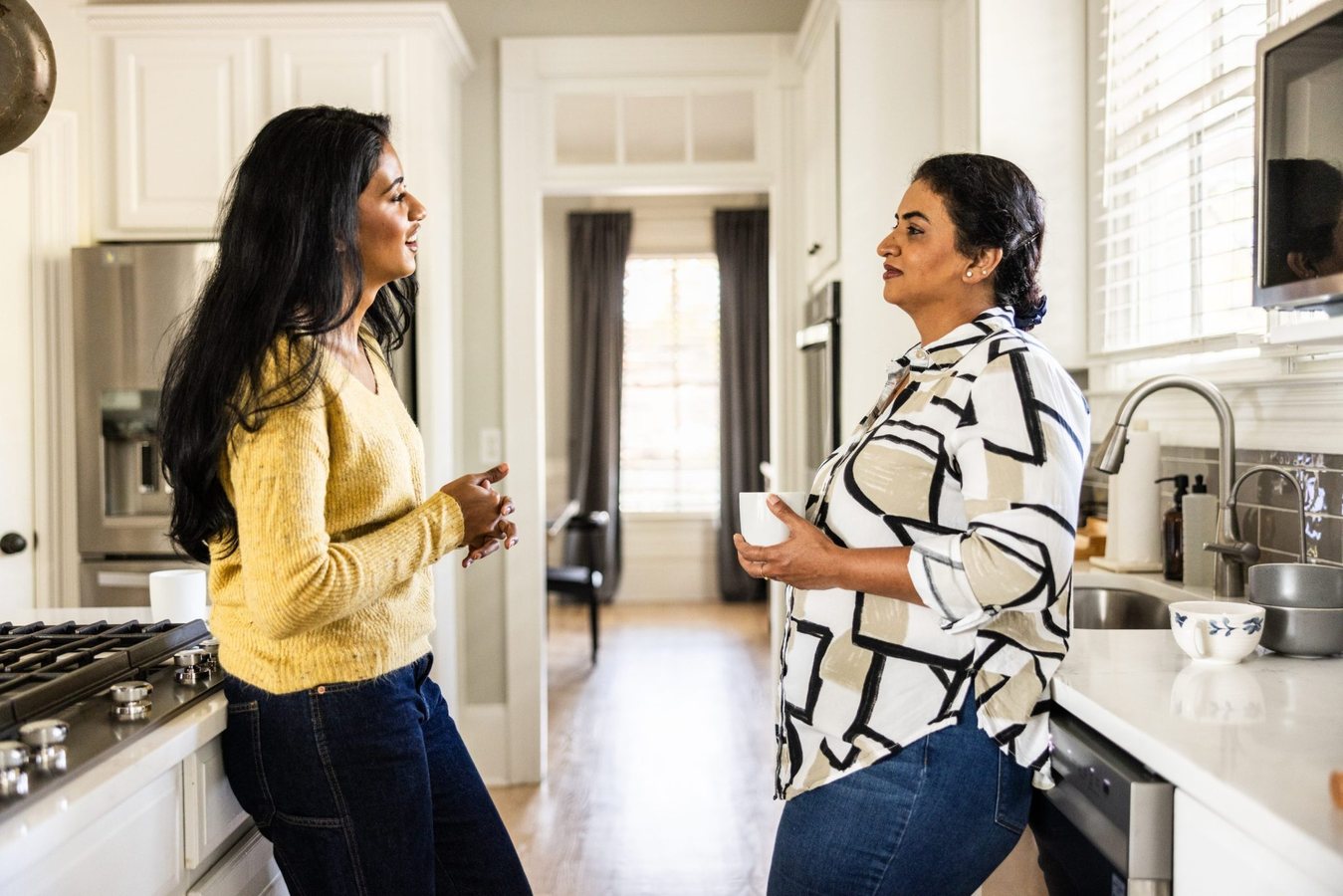
The share of Americans in their 20s and 30s who live with their parents has risen sharply over the past four decades and is expected to remain elevated through the end of the decade, according to housing research firm Zelman, a Walker & Dunlop company. About 22.4% of Gen Zers and millennials now live with family, up from roughly 15% in 1980, and the firm projects that figure will not budge by 2030.
The trend reflects a cost-of-living squeeze that has made independence increasingly difficult for younger adults. Only 44% of Americans aged 20 to 39 could afford their median local rent, Zelman found. Essential payments now consume 54.3% of income, while the personal savings rate fell to 2.8% in the second quarter of 2026, its lowest level since 2007.
Ivy Zelman, cofounder and executive vice president at Zelman, said during a roundtable discussion that rising rates and stretched affordability have pushed multi-generational living higher. «We assume that it's going to stay fairly stable as we continue into the second half of the decade,» she said.
Beyond economics, Zelman described a cultural shift in how Americans view living with family. «We also believe that there's a secular shift in how people are living,» she said, noting that the negative stigma once attached to young adults staying home has largely faded. «We are going to start looking a lot more like Europe: multi-generational living.»
The change is visible in household budgets. Around 42% of Gen Z renters say they have no money left for fun, according to 2026 data from Ogilvy Consulting. Among renters, 58% ranked saving money as the top reason they stayed home this year, compared with 41% of homeowners.
Even everyday costs have climbed well beyond the overall pace of inflation. Gasoline prices in August 2026 stood at 198% of their January 2000 level, Zelman found, while food costs rose 112% over the same period. Education climbed 193%, utilities 168%, and medical care 132%.
Housing wealth remains concentrated among older generations. Baby boomers and Gen Xers are up to 20 times more likely than their 30-something counterparts to own a second home, according to Zelman. Home equity accounts for a fifth of baby boomer wealth. Americans aged 70 and older have an average net worth of nearly $1.4 million, and those aged 55 to 69 hold about $1.175 million, while Gen Zers and millennials under 40 have roughly $100,000.
Zelman attributed part of the affordability problem to what she called America's «limitations» in building denser housing, including high land prices. Those constraints, she said, will keep affordability a major issue for younger Americans.
The financial pressure comes even as younger workers earn more than previous generations did at the same age. The oldest Gen Z workers earn a median of $42,000 in constant dollars, 25% higher than millennials at that age and 50% higher than boomers, according to Zelman. But those dollars stretch less far.
The BCG Center for Macroeconomics noted that buying a house now requires «a little fortune» and that «every article of furniture costs about three times as much as it did ten years ago.» In a report, the authors wrote that Gen Z and millennials «go through their own unique generational struggle to build careers, income, and wealth—and they are confronting unique challenges such as student debt and housing affordability,» while still making broad generational progress.
For now, the combination of high rents, slow wage growth, and limited housing supply is keeping many young adults in their childhood homes well into their 30s. Zelman expects that pattern to persist, with multi-generational living becoming a lasting feature of the American household rather than a temporary response to a tight market.
10