5 minEconomy
37% of Parents Rely on Baby Boomer Wealth as Childcare Costs Outpace Savings
A new BMO survey finds 37% of parents with young children expect financial help from older relatives, with childcare consuming about 20% of annual income and many families unable to wait for the Great Wealth Transfer.
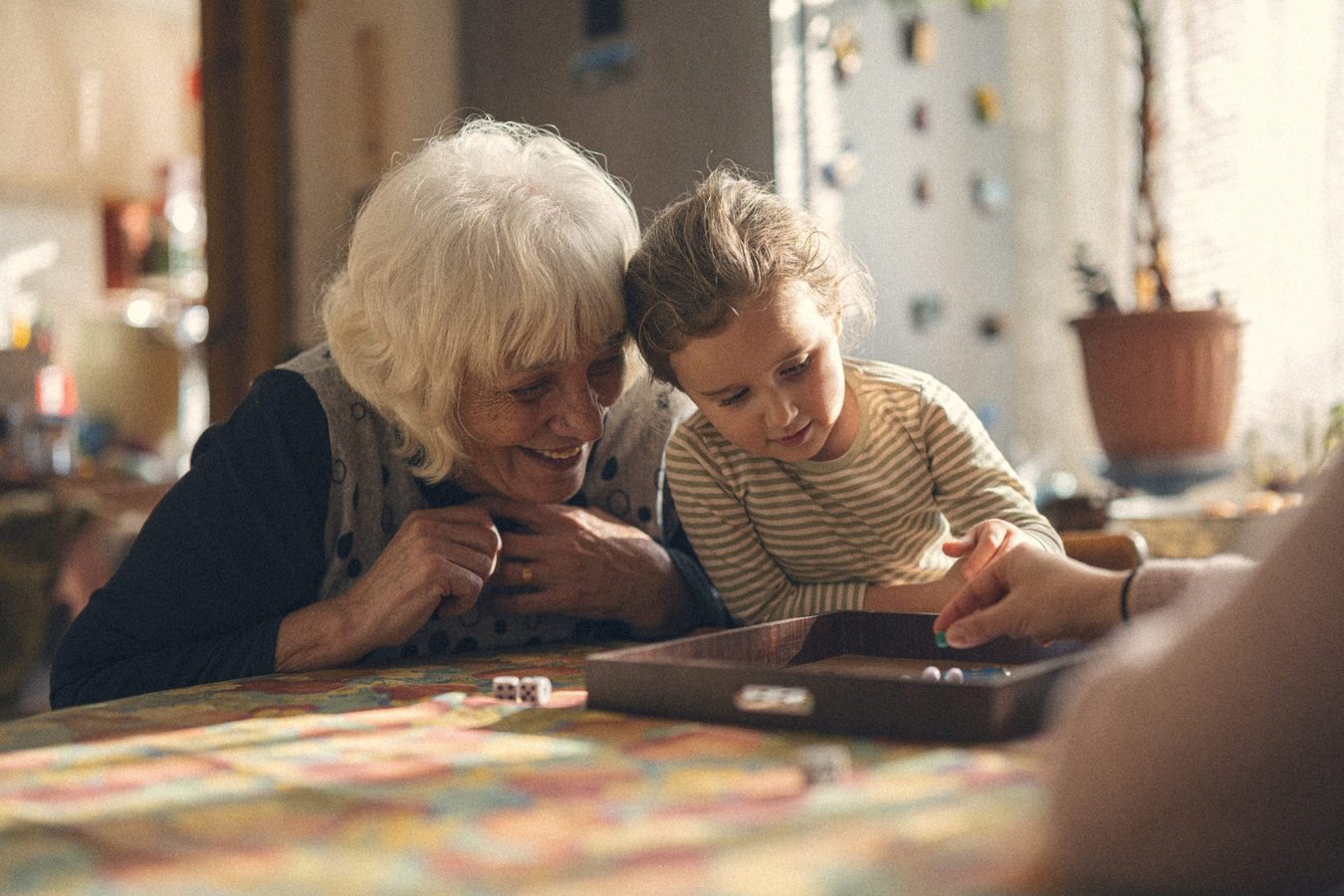
Nearly two in five American parents with young children are counting on financial help from their own parents or grandparents over the next year, as the cost of raising a family continues to outpace household budgets. According to the BMO Real Financial Progress Index, 37% of parents expect some form of assistance from the older generation, a sign that the so-called Great Wealth Transfer is arriving early for many families — not as an inheritance, but as a lifeline.
The survey found that 82% of American parents say the cost of raising children has «gotten out of control,» while 86% report that everyday expenses including daycare, after-school programs, summer camps and school supplies are making it harder to save for their children's futures. More than three-quarters of parents said financial support from extended family is essential to afford opportunities for their children.
«Raising kids has always been a labor of love, but right now, it is also a major feat of financial engineering with families torn between spending on the urgent and the important,» Robin Growley, BMO U.S. Head of Consumer Products, said in the report. «Whether you are budgeting for diapers or dorm rooms, the absolute best antidote to daily financial stress is a clear, actionable plan.»
The role of baby boomers extends beyond writing checks. Among parents expecting assistance, 43% depend on grandparents to provide childcare, and another 26% said family members would help fund their children's futures through a 529 plan or another savings account. The arrangement reflects a shift in how American families are managing an affordability squeeze: instead of waiting for a distant inheritance, younger families are already turning to older relatives for help.
Childcare costs are a central driver. According to 's 2026 Cost of Care report, parents spend on average about 20% of their annual income on childcare, with roughly one in five spending over $30,000 a year. The U.S. Department of Health and Human Services has identified 7% of family income as a benchmark for affordable childcare. While that figure represents a 2% decrease from 2025, the report found the mental health toll increased, with about 80% of parents spending almost every waking hour focused on someone other than themselves. That has led to a 5% increase in parents who have considered suicide or self-harm.
«Parents are being pushed well beyond their limits by the demands of caregiving,» Brad Wilson, CEO of, said in the report. «If this continues, care pressures risk pushing more parents to cut back or step away from their careers. That will only deepen financial strain and emotional stress, trapping them in a system that continues to fail them.»
Housing is another major hurdle. BMO's research found 60% of Gen Z homeowners and 57% of Millennial homeowners said they could not have purchased a home without financial support from their families. Nearly six in 10 Gen Z adults also expected to receive or ask for financial help from parents or grandparents.
This need for family assistance is emerging alongside a historically large concentration of wealth in older Americans. Cerulli Associates estimates that $124 trillion in wealth will transfer through 2048, with nearly $100 trillion coming from baby boomers and older generations. However, that wealth will not be evenly distributed. In the second quarter of 2026, the top 1% of households by wealth held roughly 30% of total assets, according to Federal Reserve data, compared with about 5% held by the bottom half of households.
The BMO report also found that proximity makes a difference: 45% of Americans with young children live close enough to family to receive help. Those parents reported saving an average of $1,915 a year on childcare and $1,443 on groceries compared with parents without nearby family support. But that comes with trade-offs, with 70% of parents getting family support also being responsible for the financial or emotional well-being of their aging parents, compared to 45% of parents without family nearby. About seven in 10 parents living near relatives who provide childcare identified as part of the «sandwich generation,» simultaneously supporting children and aging family members.
«Most people make decisions to live near family with their hearts, not their spreadsheets, but those choices carry real financial consequences,» Growley said. «Having a grandparent help raise your kids can be one of life's greatest gifts, but family caregiving is often a reciprocal arrangement — and it can be a lot when you're already stretched thin.»
4