2 minEconomy
JPMorgan Sees Global Oil Market Tipping Into Surplus on Rising Exports
JPMorgan says rising exports and weak demand are pushing the global oil market into surplus.
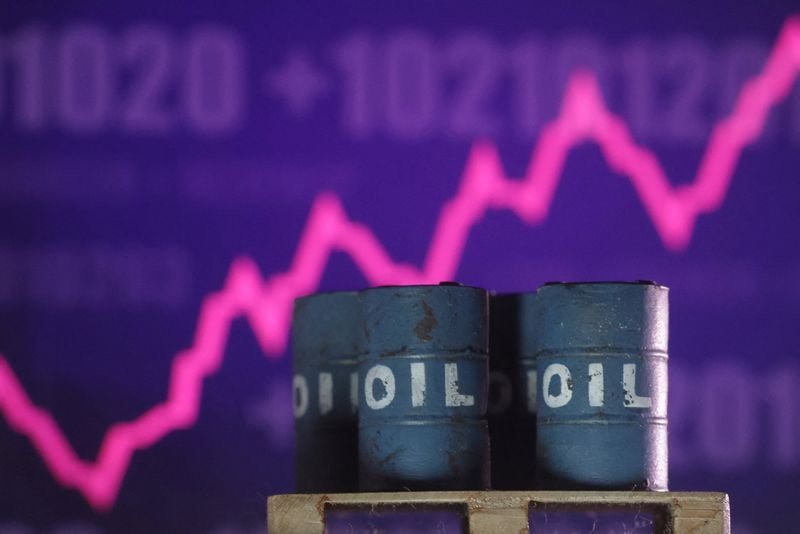
Global oil market is moving into surplus, according to a new assessment from JPMorgan, which points to rising exports and weak demand as the main forces behind the shift. A surplus means that supply is running ahead of consumption, a condition that typically puts downward pressure on crude prices.
The bank's analysis identifies two drivers. Higher volumes of oil shipped to global markets are adding to available supply, while demand for crude has not grown at a pace that would absorb the additional barrels. Together, these factors are tilting the balance away from the tight conditions that have shaped the market in recent periods.
For energy producers, refiners and importing economies, a move into surplus carries mixed implications. Lower crude prices can ease costs for fuel users and for industries that depend on oil-based inputs, while putting pressure on the revenues of exporting countries and oil companies that rely on higher prices to fund operations and investment.
The available information on the forecast is limited. The source material does not specify the size of the expected surplus, the time period the assessment covers, or which export sources and demand regions are driving the trend. Without those details, the scale and duration of the projected imbalance cannot be established from the reporting at hand.
Market watchers typically track such shifts closely because they influence fuel prices, inflation expectations and the budgets of oil-dependent governments. Further detail from the bank on the timing and magnitude of the surplus would be needed to judge how sharply the balance is expected to change and how long conditions might persist.
Source: investing.com
7