3 minEconomy
USPS will add a permanent variable fuel surcharge to packages in 2027
The U.S. Postal Service plans to replace its temporary fuel surcharge with a permanent, weekly-adjusted fee on domestic packages starting January 2027, following similar moves by FedEx and UPS.
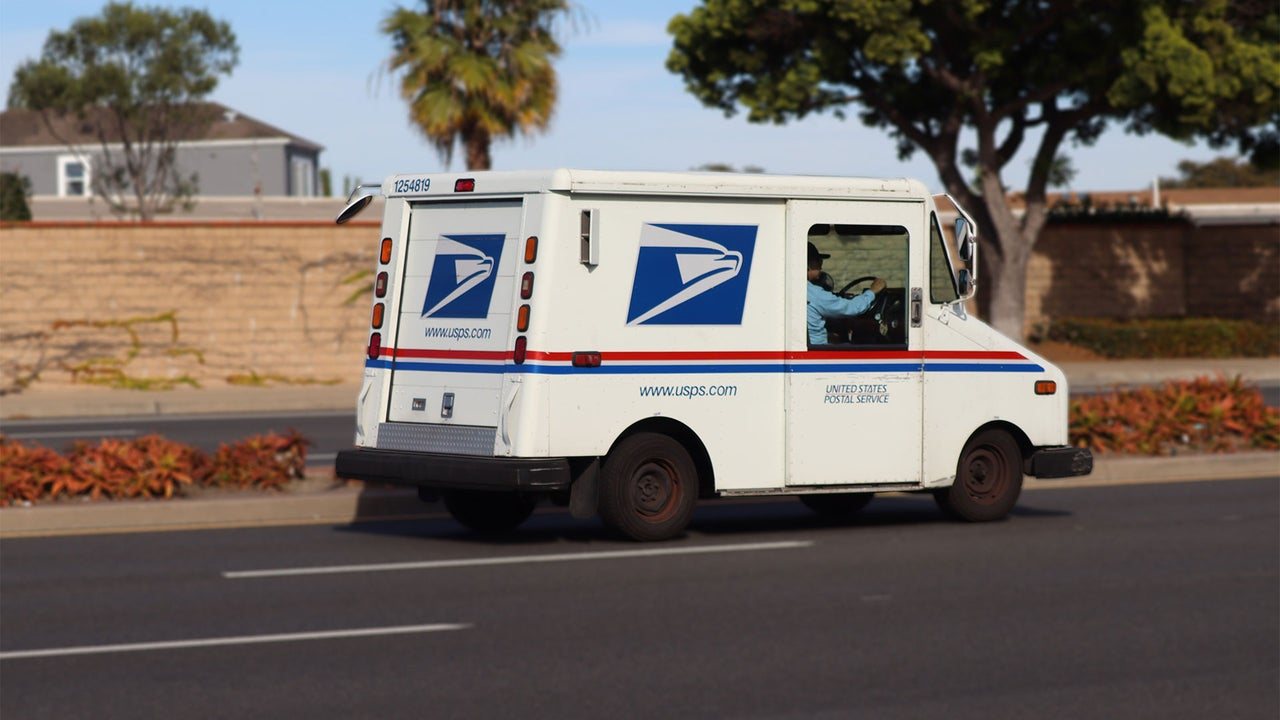
The U.S. Postal Service plans to permanently add a fuel surcharge to domestic mail and packages starting in January 2027, a move that follows increases already announced by FedEx and UPS as gas and diesel prices have climbed. The change would replace a temporary measure rather than end it, meaning shipping customers should expect a recurring fee that shifts with fuel costs.
USPS first added a flat 8% temporary surcharge in April, which expires on January 17. The new arrangement is a variable fee, not a fixed one. When the agency filed the temporary increase, it cited FedEx's 25.5% ground fuel surcharge and UPS's 26% increase, and chose a smaller fixed 8% fee applied for 266 days instead. The permanent version is designed to track market conditions more closely.
The fee will apply to domestic shipments sent as Ground Advantage, Priority Mail, Priority Mail Express, and Parcel Select. Because diesel and jet fuel prices have been volatile, USPS will calculate the extra amount weekly, using fuel prices published by the U.S. Energy Information Administration. The surcharge will be expressed as a percentage of the base postage amount, so the dollar cost of a given package will depend on both its postage and that week's fuel prices.
The backdrop is a sharp rise in energy costs. As of last week, gas averaged $4.22 a gallon nationally, up from $2.98 before the war in Iran began. Diesel crossed the $6-a-gallon threshold last month and is now at $6.35 a gallon, compared with $3.76 a gallon last February. Those pressures are the reason carriers have raised fuel-related charges, and they explain why USPS has moved toward a fee that can rise and fall with fuel prices.
The Postal Service also addressed its readiness for the holiday peak. Postmaster General David Steiner said in a statement that the agency performed very well during last year's holiday season and is better prepared this year, adding that it has been preparing all year and has enough capacity to handle the volume. USPS reported that in 2025 mail and packages were delivered in 2.5 days on average, compared with 2.8 days during the same period in 2024. The agency typically sees a 40% increase in mail between October 1 and December 31.
For shippers and consumers, the practical effect is that the cost of sending a package by USPS will no longer be set once and left alone. Instead, it will move each week with fuel markets, a structure that has become common across the parcel industry as carriers respond to the same energy pressures. Customers planning shipments for 2027 will need to factor a variable surcharge into their budgets rather than a fixed rate.
Source: fastcompany.com
5