3 minEconomy
Gasoline Prices Fall More Slowly Than Crude Prices Rise
Retail gasoline prices drop more slowly than crude oil prices, because wholesale gasoline prices tend to be stickier when they fall than when they rise.
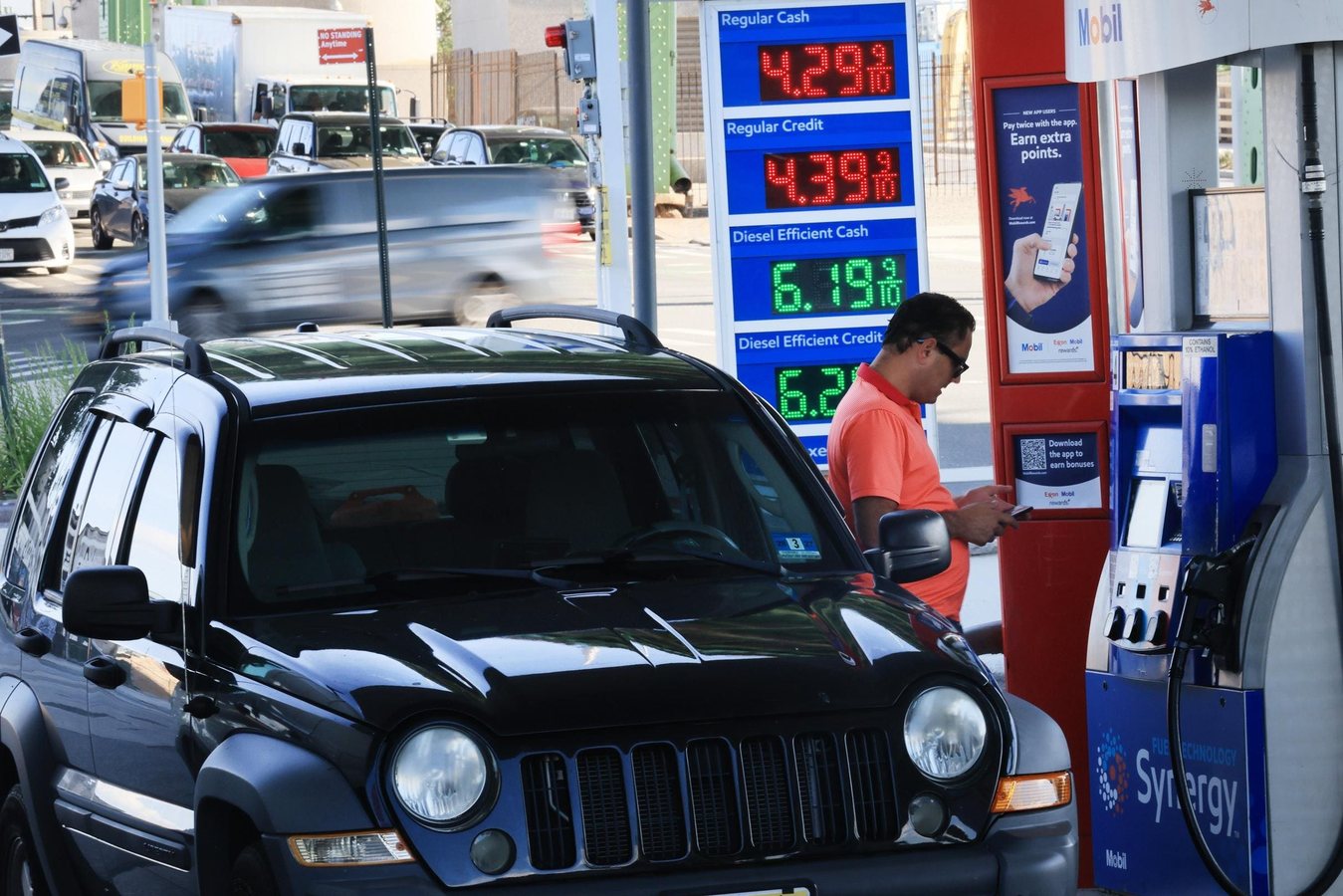
Retail gasoline prices tend to fall more slowly than crude oil prices, a pattern that leaves drivers paying more at the pump for longer than raw-material costs alone would suggest. Analysis of recent price data points to a key reason: wholesale gasoline prices are stickier on the way down than on the way up.
The difference matters because the cost of crude oil is only one part of what drivers pay. Wholesale gasoline prices sit between crude and the pump, and it is in that middle stage that the lag appears. When crude prices rise, wholesale gasoline tends to follow quickly. When crude prices fall, wholesale gasoline adjusts more gradually, and the retail price adjusts more gradually still.
The result is a lopsided pattern often described as rockets and feathers, in which prices rise like rockets and fall like feathers. The analysis indicates that the downward adjustment at the wholesale level is the main source of the delay. The finding suggests that the slower decline is rooted in how the wholesale market responds to falling crude costs, rather than in retailers simply holding prices higher to protect margins.
For drivers, the practical effect is that falling oil prices do not translate immediately into cheaper fuel. A drop in crude can take weeks to show up fully at the station, while increases can be passed along almost at once. That asymmetry means consumers feel the impact of price spikes more quickly than they benefit from declines.
The pattern also bears on how energy markets transmit price changes to households. Because gasoline is a widely used household expense, the speed at which its price moves affects transportation budgets and the inflation measures that policymakers track. The uneven adjustment helps explain why motorists often feel that relief at the pump arrives later and in smaller steps than headlines about falling crude might imply.
The same mechanism works in both directions over time. Periods of rising crude costs are passed through to the pump with little delay, so households may absorb higher fuel costs before any offsetting relief appears. When crude later retreats, the slower wholesale adjustment means that the benefit reaches drivers gradually rather than in a single drop. For anyone comparing the price of crude with the price of gasoline on a given day, the gap between the two is therefore not a sign of error but a reflection of how the market moves through its stages.
Source: forbes.com
4