3 minEconomy
Gasoline prices are falling fast as crude oil costs decline and demand eases
Pump prices are dropping quickly as falling crude costs, winter fuel blends and softer demand combine to push gasoline lower across the United States.
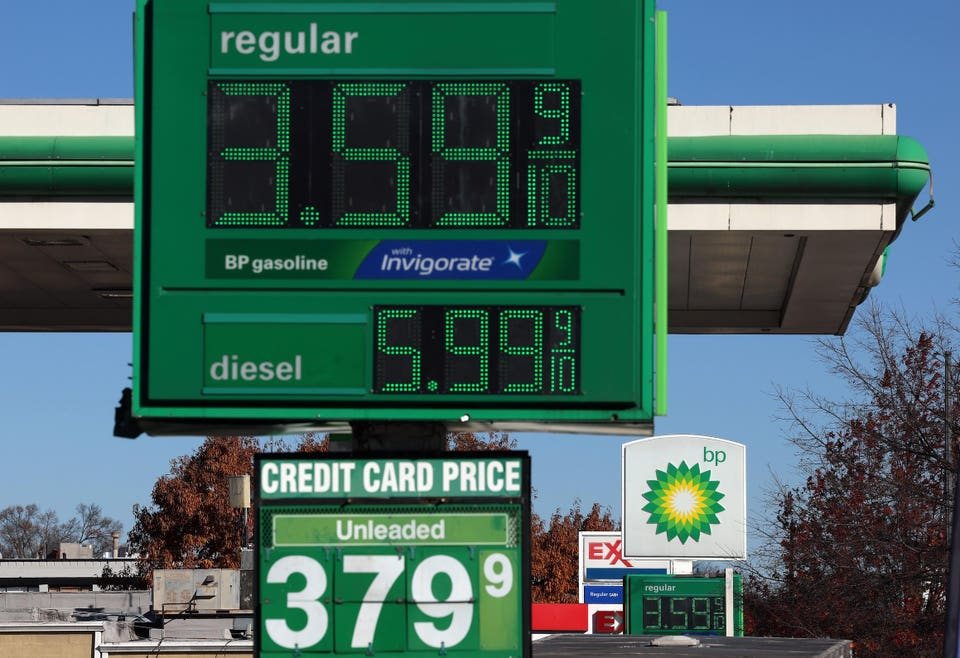
Gasoline prices in the United States are falling quickly, and the main driver is the decline in crude oil costs. Because crude makes up the largest share of what drivers pay at the pump, even modest moves in the global oil market tend to show up at gas stations within days or weeks.
Analysts point to several factors working together. Winter fuel blends, which refiners switch to at this time of year, are cheaper to produce and help boost available supply. At the same time, demand for gasoline typically eases as the colder months arrive and fewer people take long road trips, reducing pressure on prices at the wholesale level.
The combination of lower input costs, expanded winter supply and softer demand has produced a steep decline at the pump. Forbes contributor Robert Rapier, who wrote the analysis, argues that the drop reflects ordinary market mechanics rather than any coordinated effort to manipulate prices. He stresses that the movement is what supply and demand fundamentals would predict, and that it should not be read as evidence of a conspiracy.
That skepticism matters because fuel prices often attract suspicion when they rise quickly and when they fall. Consumers tend to notice a slow decline at the pump far less than a sudden spike, and the lag between wholesale and retail prices can make the movement look irregular even when it follows predictable patterns. Rapier's point is that the mechanics behind the current drop are visible in the crude and refining data, which is why he considers a conspiracy explanation unnecessary.
For households, the decline offers some relief after periods of higher fuel costs. Lower gasoline prices leave more room in family budgets and can ease transportation expenses for commuters and businesses that rely on trucks and delivery fleets. Economists generally note that retail fuel prices lag behind wholesale and crude movements, so drivers may continue to see gradual changes as the underlying market adjusts.
Prices remain subject to the broader oil market, which can shift quickly in response to production decisions, geopolitical developments and changes in global demand. The current trend reflects conditions in late 2026, and the direction of gasoline prices in the months ahead will depend on how crude costs and seasonal demand evolve.
Source: forbes.com
20