4 minEconomy
Trump blames Commerce Department for revised growth data after midterm loss
President Trump called recently revised third-quarter growth figures from the Bureau of Economic Analysis fake and demanded an investigation, days after his party's midterm losses.
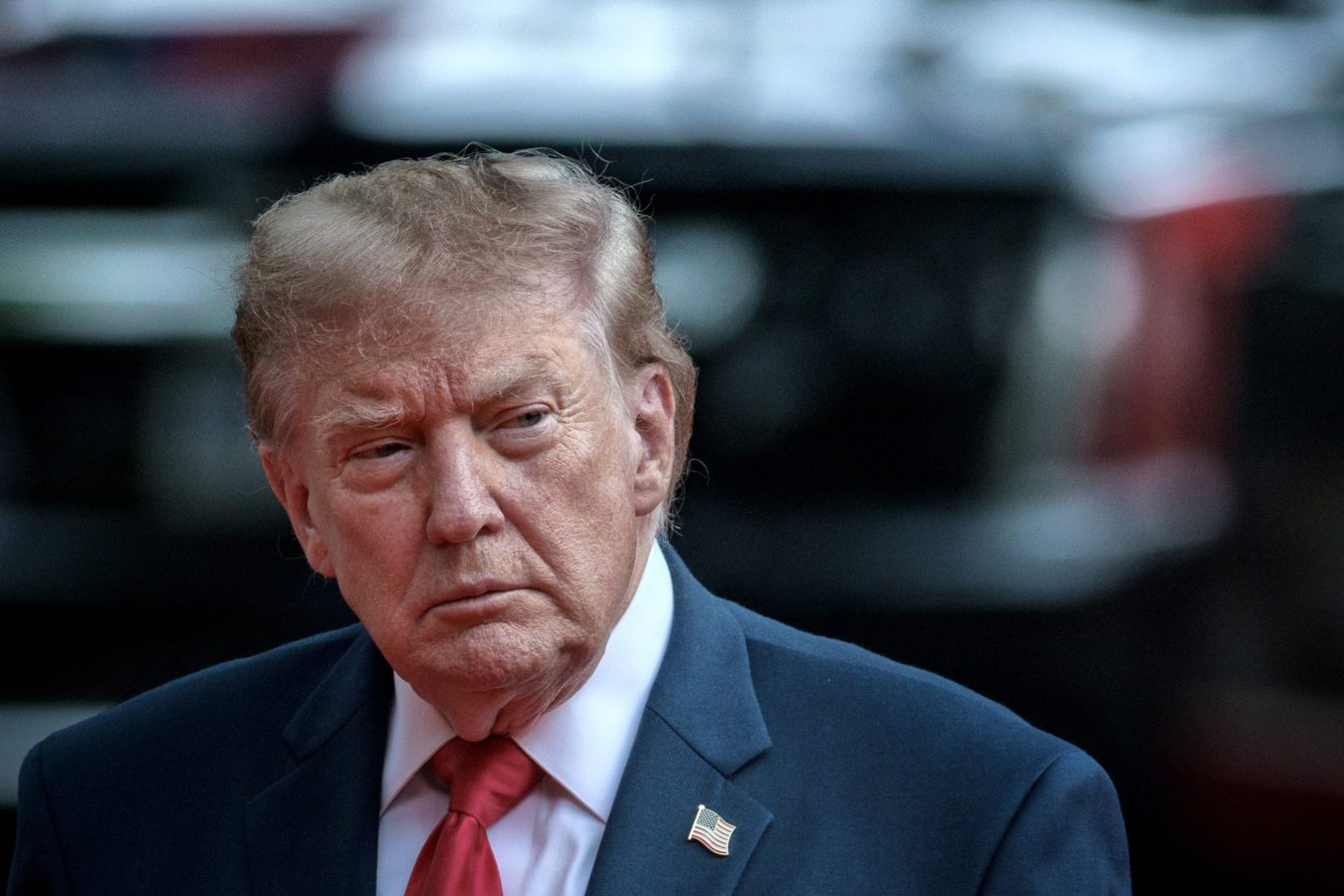
President Donald Trump has accused the Commerce Department of publishing fake economic growth numbers before the midterm elections, calling for an immediate investigation into revisions that raised third-quarter gross domestic product estimates. In a post on Truth Social, Trump claimed that the real figures on the economy had been released with a correction issued by the government agency that compiles them, and that the economy under his administration was performing better than the figures already published.
The agency Trump appears to be referring to is the Bureau of Economic Analysis, which sits within the Commerce Department. On Wednesday, the bureau revised its estimate for third-quarter 2026 growth to 4.3 percent, up from the 3.9 percent it had originally forecast. The upward revision of 0.9 percentage points was primarily driven by upward revisions to investment and consumer spending. The bureau operates with statistical and methodological independence, a safeguard meant to protect the accuracy and impartiality of its statistics.
Trump went further in his post, asking why the correct number had not been issued before the election and describing the gap as a massive and purposeful error. He offered no evidence of wrongdoing. Commerce Secretary Howard Lutnick, who oversees the department, did not address the accusation in the same terms. Instead, he wrote on X that the country was bringing American manufacturing back at a scale nobody thought possible, and that major projects were moving from groundbreaking to full production.
Economists were not surprised by the revision itself. Revisions are a routine feature of U.S. economic statistics, and lower survey response rates have reduced the precision of some estimates. UBS economist Paul Donovan said in a note to clients that changes in U.S. growth are exaggerated by the annualization technique, which few advanced economies use, and that data revisions have become more common as structural change and poor survey response rates reduce precision.
The dispute arrives against a backdrop of earlier clashes between the White House and federal data agencies. In 2025, Trump fired the head of the Bureau of Labor Statistics, Erika McEntarfer, after she oversaw the publication of job figures he called phony, again without providing evidence. That move, along with his sharp attacks on the Federal Reserve under former chairman Jerome Powell, led many economists and investors to worry about the credibility of institutions that inform or shape economic policy.
Alberto Cavallo, a professor at Harvard Business School, drew a comparison at the time to Argentina nearly two decades ago, when a president removed statistical agency leadership after rising inflation. Some statistics stopped being reported in that period, and official data no longer seemed to match public perceptions, which Cavallo said destroyed trust in Argentina's official statistics for more than a decade. He noted that the United States is ahead of some Argentine data bodies in skills and institutional checks, but said the situation remained very concerning.
Source: fortune.com
20