3 minEconomy
Drivers Weigh Changing Habits as Gas Prices Climb Sharply
Fuel prices rose sharply after the United States and Israel began attacking Iran in February, and The New York Times is asking drivers how the increase has changed the way they get around.
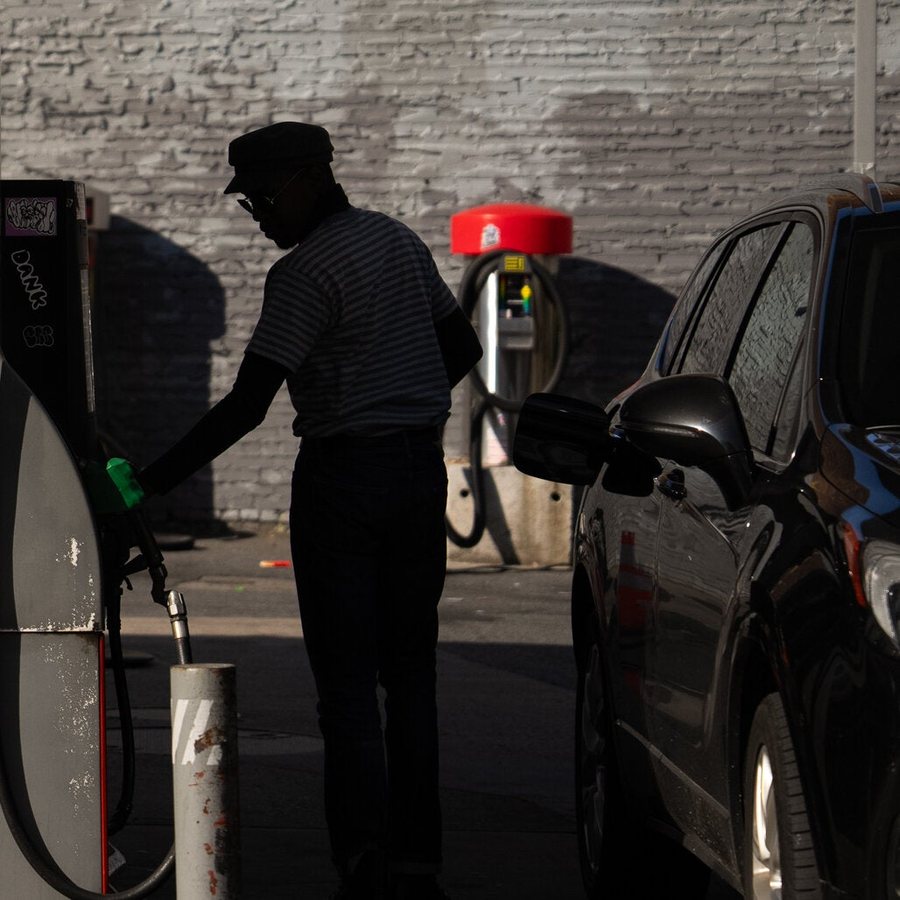
Drivers across the United States are feeling the pinch at the gas pump, and The New York Times is asking readers to say whether higher fuel costs have changed how they get behind the wheel. The request follows a sharp rise in gasoline prices that began after the United States and Israel started attacking Iran in February.
The timing of the increase is central to the story. Fuel prices climbed quickly once the conflict began, adding a new strain to household budgets that were already dealing with the rising cost of everyday goods. For many people, a trip to the gas station is not an occasional expense but a regular part of work, school, errands and family life, which is why even a sudden jump in the price of a gallon can ripple through the rest of a monthly budget.
The Times is seeking firsthand accounts to understand how far those effects reach. Readers are being invited to describe whether they have cut back on driving, combined errands into single trips, switched to public transit or carpooling, or considered a more fuel-efficient vehicle. The newspaper is gathering these responses to show how ordinary Americans are adjusting to the price shock, rather than relying only on national averages and market data.
Energy markets have long been sensitive to conflict in the Middle East, and a war involving Iran raises concerns about the security of oil supplies and the stability of global crude prices. Because gasoline is refined from crude oil, a rise in the cost of the raw material typically flows through to pumps within days or weeks. That link is why the start of hostilities in February had an immediate effect on what drivers pay, and why the price rise has become a visible reminder of events far from American roads.
The request for reader input reflects a broader interest in how economic shocks translate into personal decisions. Changes in driving habits can signal how deeply a price increase is felt, whether it is a minor inconvenience or a reason to rethink where and how people live and work. Stories collected from drivers can also show differences across regions, where access to public transportation and the distance between home and work vary widely.
The question the newspaper is posing is simple: has the rise in gas prices changed how you drive? Readers who respond are invited to share their experiences, and the answers will help document how a conflict abroad has reached into the routines of daily life in the United States.
Source: nytimes.com
30