4 minEconomy
China’s factory-gate inflation accelerates in October while consumer prices stay subdued
Producer prices in China rose faster in October, driven by mining and raw-material costs, while consumer inflation edged down and core prices remained weak.
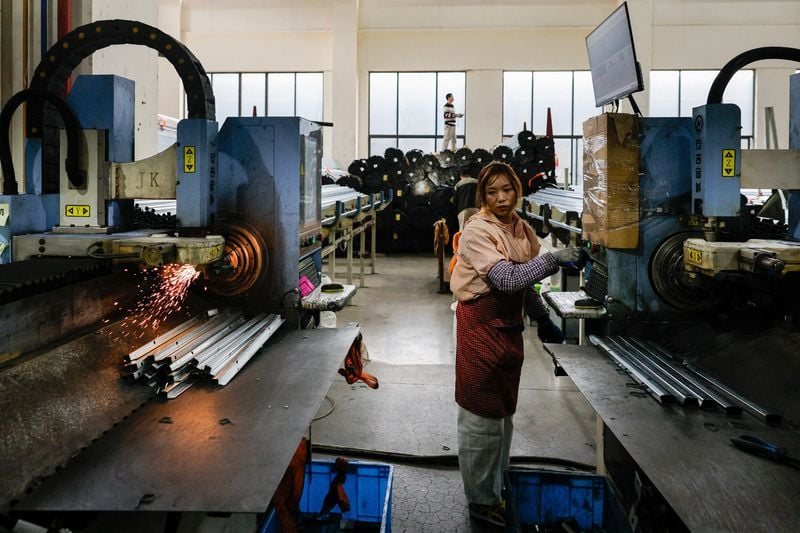
China’s factory-gate prices rose at a faster pace in October than in September, according to figures released by the National Bureau of Statistics, as stronger industrial and commodity-linked pricing narrowed the country’s persistent deflation pressure. Consumer inflation, by contrast, remained subdued and edged lower over the same period.
Mining and raw-material prices were the main contributors to the producer price gain. Manufacturing output prices also firmed, adding to the momentum in the producer price index, which measures what factories charge for goods before they reach shops and customers. The improvement marks a continued recovery from the deflationary readings that have weighed on the industrial sector for an extended stretch, and it reflects a broader firming in prices tied to commodities and industrial inputs rather than a surge in household spending.
The picture on the consumer side was markedly different. Consumer price inflation stayed weak, with food prices acting as a drag on the headline figure. Because food carries a large weight in the consumer basket, falling or flat food costs can hold down the overall reading even when other categories are rising. Core inflation, which strips out volatile food and energy items, also remained soft. That signal matters for policymakers, since it suggests that higher input costs are not being passed on to households in a meaningful way and that underlying demand at the retail level is still restrained.
Analysts compared the readings against expectations from economists polled by Reuters, and the outcome left the consumer figures on the soft side of forecasts. The gap between the two indexes is the central puzzle for economists. Producer prices are running ahead of consumer prices, which points to firms further down the supply chain absorbing higher costs and seeing their margins squeezed. When manufacturers pay more for materials but cannot raise prices for buyers, profitability suffers, and that dynamic can weigh on investment and hiring decisions later on.
Whether the gains in factory-gate prices will eventually spread to consumer goods remains uncertain. Forecasters are divided on how durable the producer price recovery will prove to be, with some viewing the rise as a sustained turn and others seeing it as dependent on commodity cycles that can reverse quickly. Until consumer prices show clearer signs of following producer prices higher, the recovery remains incomplete from the standpoint of household purchasing power.
The muted consumer data also has implications for policy. Low consumer inflation leaves room for continued debate about monetary easing, since policymakers are not facing strong upward pressure on prices for households. At the same time, the rise in producer prices complicates the outlook, because it indicates that cost pressures are building in parts of the economy even as demand at the retail level remains restrained. Policymakers must weigh these competing signals as they assess how much support the economy still needs.
Source: investing.com
14