4 minEconomy
Americans keep shopping but demand more proof of value before they spend
A 2026 Feedvisor survey finds most US consumers are still buying, but they compare prices, wait for sales and distrust many promotions, with holiday spending plans split.
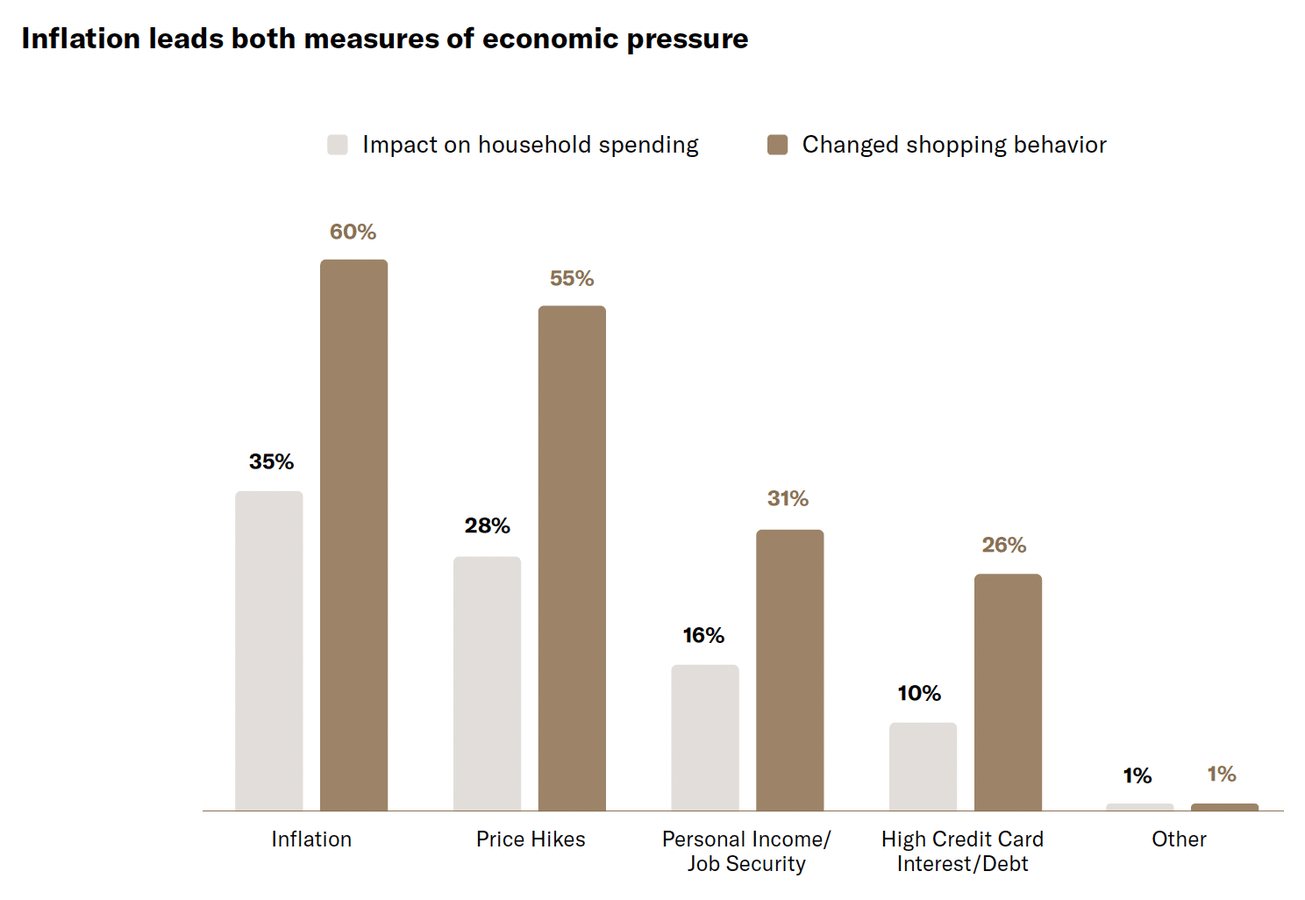
American consumers are still spending, but they are making every purchase harder to win. A 2026 report from Feedvisor finds that 87% of US consumers say the economy has changed the way they shop, with many now comparing prices more carefully, waiting for discounts and questioning whether promotions offer genuine value.
Online shopping remains a routine habit. According to the survey, 52% of consumers buy online every week and 88% do so at least once a month. Yet the same shoppers are more deliberate. Forty-five percent say they compare prices more than they did a year ago, and 41% wait for sales before buying. Another 31% rely more heavily on coupons or cashback offers. Nearly half of those who compare prices check three retailers before making a decision.
Spending on small, discretionary items is also holding up. The survey found that 56% of consumers buy mood-boosting products every month, and 34% do so weekly or more often. Clothing, groceries and beauty products rank among the most common small discretionary purchases. Most of these buys are modest: 44% of respondents say they keep such purchases between $10 and $20.
Retailers' biggest promotional moments are losing some of their pull. Only 49% of consumers say major events such as Amazon Prime Day or Black Friday offer real savings. Another 28% say the quality of deals has declined or feels artificial, and 15% report sale fatigue, saying they ignore promotions altogether. Skepticism is particularly strong among younger shoppers: 38% of people aged 18 to 29 say they distrust deals, compared with 22% of those 65 and older.
Artificial intelligence is becoming part of the research process. Fifty-five percent of consumers said they had used AI tools to research or compare products within the previous six months. The most common uses were finding the lowest price, cited by 39%, comparing products, cited by 31%, and searching for coupons, cited by 27%. Trust in fully automated buying remains limited, however. Sixty-two percent said they would never allow an autonomous agent to complete a purchase without a manual checkout step.
Holiday spending plans reflect the same divide. Of those surveyed, 31% expect to spend more this season, 33% expect to spend less and 37% expect to spend about the same. Income makes a clear difference. Among households earning more than $150,000 a year, 43% plan to spend more. Among those earning under $25,000, only 22% expect to spend more, while 26% plan to cut spending significantly. Timing is also shifting earlier, with 60% of consumers starting holiday shopping by the end of October and only 11% waiting until December.
The findings come as companies in many sectors compete for a more cautious buyer. In the entertainment market, the Criterion Collection is running a November sale offering 50% off released titles through the month. The sale includes KPop Demon Hunters, which has joined the Criterion catalog. The title is priced at $24.99 in 4K, $19.99 on Blu-ray and $14.99 on DVD. The Criterion edition includes a new 4K master, a making-of documentary and video essays, but it omits the commentary track. Netflix's sequel to the film is set to receive a theatrical release, reportedly not until 2029.
Source: martech.org
4