5 minBusiness
True Religion's CEO rebuilds denim brand for Gen Z and millennials
Michael Buckley, back as CEO of True Religion, is repositioning the premium denim label around cheaper prices, music partnerships and trend-following rather than trend-setting to win over younger shoppers.
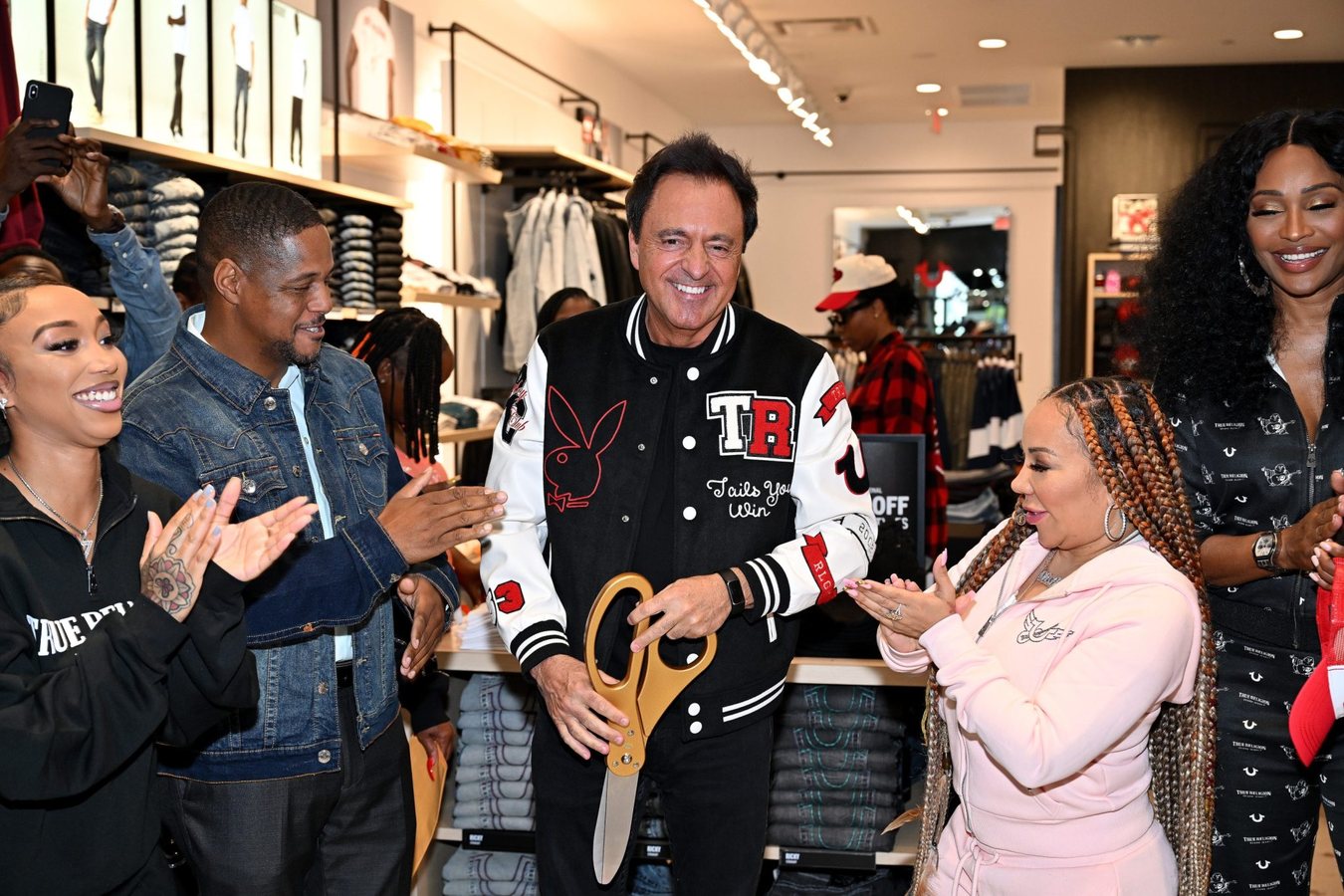
True Religion's jeans were once built to be noticed, with conspicuous stitching, a horseshoe on the back pocket and a premium price that signaled status. Now Michael Buckley, who led the brand during its premium-denim heyday and returned as chief executive in 2019, is reshaping the company for Gen Z and millennial shoppers by offering more affordable clothing, music partnerships and in-store experiences. He has also let go of a long-held ambition: setting trends. « We like to be first to be second », he said.
The strategy centers on catching trends once they are proven rather than launching them. Buckley said his team follows online conversations and shifting styles, from baggy men's jeans to low-rise women's denim and crystal embellishments across categories. If the company spots a trend it missed, it can produce 300 pieces and deliver them within two or three months. « Years ago, we created the trend. We're not creating any trends today. We are following the trends », he said. Demand for standing out remains strong, he added, with crystals on T-shirts, hoodies, joggers and jeans. At one store event, shoppers could bedazzle their initials onto clothing.
John Talbott, a retail expert with experience in business turnarounds and store brands, sees a business logic in waiting. New styles often debut at high-end retailers or niche brands before reaching volume. For a company now selling to a mass audience rather than early adopters, letting others test a style first can reduce risk.
The shift reflects a change in who buys the brand. During Buckley's first stint as president from 2006 to 2010, True Religion sold mostly $200 and $300 jeans to affluent department-store shoppers with household incomes around $250,000. Research he commissioned in his first three months after returning as CEO pointed to a different customer: more diverse, mostly ages 15 to 45, with household incomes of roughly $65,000 to $85,000. « The business was being run as if they were still selling the early adopter customer, and they weren't », he recalled.
Pricing has been reset accordingly. Jeans now sell for $59 to $89 and T-shirts for $19 to $39, according to Buckley. Denim accounts for 35% to 40% of the business, with hoodies, dresses, joggers and outerwear filling out the rest of the range. « You have to know your customer », he said. « That's the biggest learning in this business. » Making lower prices work required changes shoppers would not see on the rack. Buckley said he reworked the supply chain and tested cheaper alternatives against the expensive Italian fabrics the brand had used, in what he called a « Coke-Pepsi test ».
Buckley projects revenue of $525 million to $550 million this year, which he said would be the company's highest ever, even though jeans sell for less than they did 20 years ago. Neil Saunders, managing director of GlobalData Retail, said lower prices could make the brand more accessible, but affordability alone will not determine where younger shoppers spend. He noted that younger consumers have shown a willingness to pay a premium for brands such as Ralph Lauren and Coach when they consider it worthwhile. Expanding beyond denim, he said, gives True Religion more chances to win business but requires it to distinguish itself from competitors.
The brand also faces a more crowded market. Piper Sandler's fall 2026 teen survey found shoppers shifting toward nonathletic fashion, with retailers including American Eagle, H&M, Pacsun, Hollister and Urban Outfitters collectively gaining ground. Premium denim has been under pressure since the rise of cheaper fashion and athletic clothing.
Heritage may nonetheless be an asset. Research commissioned by True Religion and shared with Fortune, conducted by Wired Research among 1,000 U.S. adults ages 18 to 45 who had recently bought apparel, found that nearly three-quarters of millennials were drawn to brands with long histories. About two-thirds of Gen Z respondents also favored heritage brands. Both groups prized comfort, style and cultural relevance, but what prompts them to try a brand differs. Six in 10 Gen Z respondents said brand-sponsored events, concerts and festivals would make them more likely to buy, compared with about half of millennials. Millennials, meanwhile, were more inclined to consolidate: 79% said they prefer buying more of their clothes from fewer brands they trust.
4