3 minBusiness
South Korea's stock market offers the purest bet on AI
Investors see South Korea's equity market as the most direct way to trade on artificial intelligence, given the weight of chipmakers in its benchmark indexes.
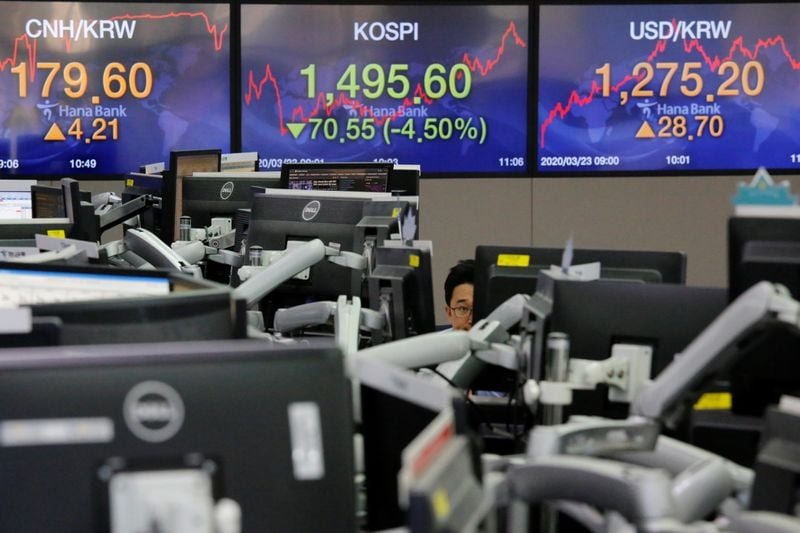
South Korea's stock market is drawing attention from investors as one of the most direct ways to bet on the artificial intelligence boom. The reason lies in the composition of the market, where a small number of semiconductor and technology companies carry a large share of the value of the main indexes.
The source material available for this story is limited to a headline and a link, so the company-level figures, index weights and analyst quotes that would normally support such an argument cannot be verified here. What the headline frames is the thesis that the South Korean market offers exposure to AI with fewer diluting holdings than markets dominated by a broader mix of industries. Any figure on the share of the benchmark held by chipmakers would need to be confirmed against exchange data before it is treated as fact.
For U.S. investors weighing exposure to AI, the argument suggests that South Korea could serve as a concentrated alternative to large American technology indexes. Such concentration cuts both ways. It can magnify gains when demand for AI hardware rises, as memory and advanced chips are bought in volume by data centers and cloud providers. It can also magnify losses if that demand slows, if inventories build up, or if competition from rival producers squeezes prices. An investor holding a market that is heavily weighted toward one industry is therefore taking on a narrower risk profile than one holding a diversified basket.
The thesis also depends on how the market behaves relative to the broader technology cycle. Stocks linked to AI hardware tend to move with global sentiment toward the sector, which means that shifts in U.S. technology valuations or in spending plans by large cloud operators can feed through to Seoul quickly. Currency movements add a further layer, since returns for foreign investors depend on the won as well as on share prices. None of these dynamics is quantified in the material available for this report.
Readers following global markets should note that the claim rests on market structure rather than on a specific earnings report, regulatory decision or company announcement. Further reporting on company-level results, index composition and foreign ownership would be needed to judge how far the thesis holds over a full investment cycle.
5