5 minBusiness
Singapore Bank OCBC Says Cyber Breach Is Inevitable, Not Preventable
OCBC's head of group operations and technology says banks must focus on rapid detection and recovery as AI-powered attacks hit South Korea's financial sector.
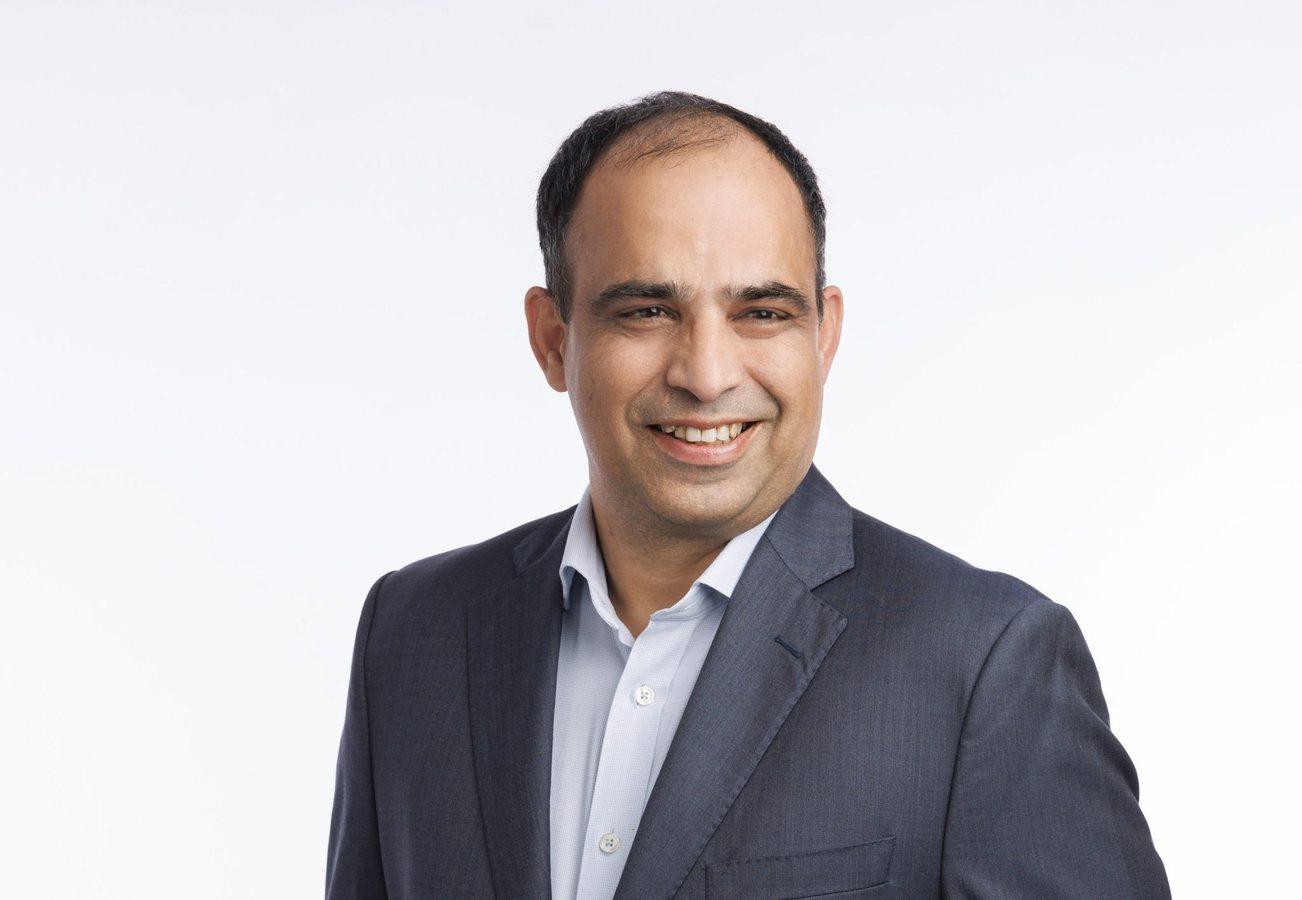
A senior executive at Singapore's Oversea-Chinese Banking Corp. (OCBC) says a cyber breach at a major bank is a matter of when, not if. Praveen Raina, the bank's head of group operations and technology, made the remark as South Korea's financial sector faces a rolling wave of attacks that regulators say began in September and have so far involved 40 incidents at 37 financial firms, including banks, brokerages, insurers, savings banks and crypto exchanges.
Researchers traced the September attacks to Artex, an AI-powered tool that automated the intrusions. Raina argues that the speed of such attacks changes what banks can realistically promise customers. "With the velocity that cyberattacks are happening, it is a matter of when rather than if," he told Fortune. In his view, trust may now depend less on preventing every attack and more on detecting, containing and repairing them faster.
"I wish I could prevent them, and we'll try, but what we can control is having the right processes so that we can react quickly to whatever happens," Raina said. His approach rests on two elements, cybersecurity and resilience. OCBC is using AI in its own defenses. "With agentic AI attacking organizations, humans cannot keep up with it," he said. "So, we're building a defensive AI wrapper around the bank to protect it."
The bank also runs red-teaming exercises, structured simulations in which a group acts like a real-world attacker to sharpen its response. Raina said the team practices both internally and with other industry players. OCBC additionally operates a bug bounty program that pays external white-hat hackers to find security weaknesses.
Raina joined OCBC in 2008 as senior vice president of group operations and technology, after early years as an IT consultant to telecom companies and enterprise software firms in Canada. OCBC was founded in 1932 and is now Singapore's second-largest bank. It ranks 13th on Fortune's Southeast Asia 500 list.
He describes a shift toward in-house development. In his first year at OCBC, Raina assembled a small team to build an iPhone-native banking app, which launched in 2008 as the first digital banking app from one of Singapore's three local banks, alongside DBS and UOB. Raina said the bank once bought most of its technology from vendors, but it later decided to build its own expertise. His team now numbers roughly 600 to 700 employees and builds most products internally. "It gives us better control of things, and we can do more and faster releases," he said.
The bank's latest product, the Avatar Banking app, launched in July and gives clients around-the-clock access to AI-enabled virtual relationship managers. Raina said the project went from idea to release in four to six weeks. It began as a beta available to just fifty customers, and Raina said he is preparing to move all of the bank's private wealth clients onto the platform by the first quarter of 2027. Users can choose between two virtual wealth managers, one named Wayne and one named Wendy. Raina, who also leads technology at Bank of Singapore, OCBC's private banking subsidiary, said human service remains central. "The white glove service is always important, and we are not taking that away," he said.
Looking further ahead, Raina pointed to quantum computing as a long-term threat to current encryption. Experts estimate that "Q-Day," when quantum computers could break traditional encryption, could arrive around 2030. He expects institutions to compete for the same vendors at the last minute, a dynamic he compared to the Y2K scramble. OCBC is training more than 100 quantum-literate staff and running pilots with universities and ST Engineering. Raina described the mobile banking handshake that exchanges keys to verify a customer's identity, and said quantum machines could break those keys, removing the security layer. He likened the current state of quantum technology to AI in the years before ChatGPT, calling it a theoretical field the bank is partnering to understand.
Raina closed by stressing that banking depends on trust. "People work and they put their life savings with the organization, there's no bigger trust than that," he said. "We as an organization have to do our part to ensure that everything is protected."
Source: fortune.com
24