5 minBusiness
Robinhood-AMC Fight Signals Blockchain's Disruption of Stock Trading
A public dispute between AMC and Robinhood over tokenized shares highlights how blockchain is reshaping equity markets, with cheaper global access and looming regulatory questions.
A public clash between AMC Entertainment and Robinhood Markets over the trading platform's decision to offer blockchain-based versions of AMC stock has thrust the growing practice of tokenizing equities into the spotlight, raising questions about investor rights, market oversight, and the pace of technological change on Wall Street.
AMC's chief executive accused Robinhood of «contemptible, outrageous, disgusting, detestable, inexcusable, vile» conduct for placing its shares on-chain without the company's permission. Robinhood's CEO pushed back, arguing that once a company issues stock, it cannot fully control what buyers do with it. The exchange captured a broader tension: traditional corporations confronting a technology that could loosen their grip on how their shares are traded and held.
Robinhood's approach involves purchasing batches of stock, creating a tokenized version of each share, and offering contracts that give customers a financial claim on those tokens. The arrangement is legally intricate but opens new doors. For investors in markets such as Brazil or South Africa, where trading commissions are steep and some U.S. stocks are unavailable, tokenized shares can make owning American equities cheaper and easier. That dynamic has fueled the popularity of such offerings abroad, where buying stock has long resembled the pre-digital music era—limited, costly, and fragmented.
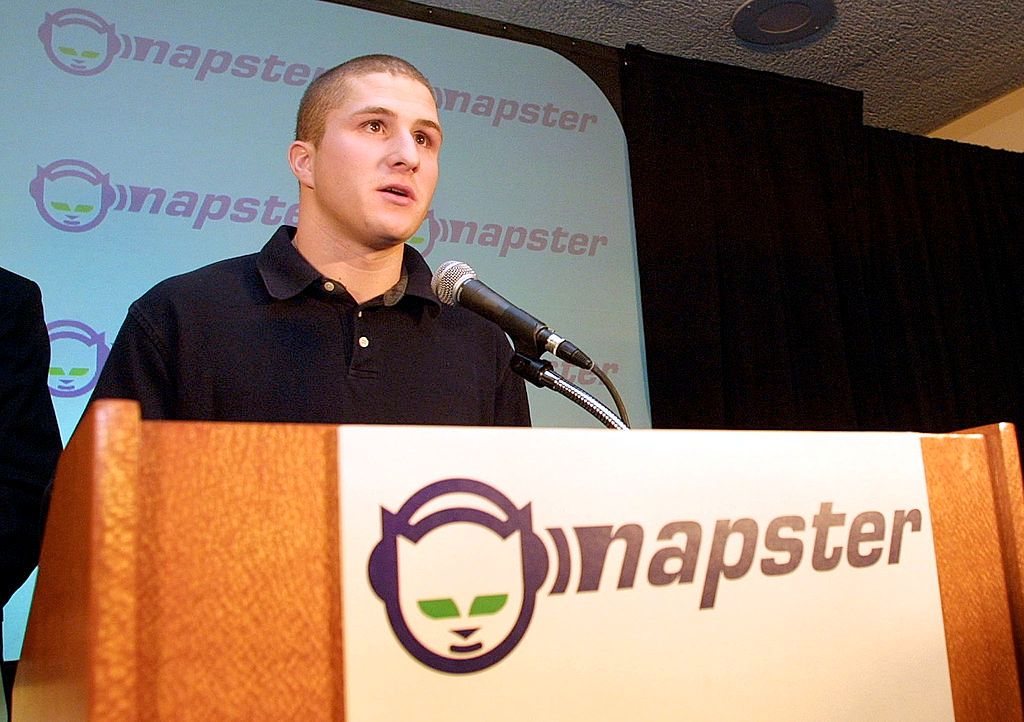
The comparison to music's Napster moment is deliberate. Twenty-five years ago, a platform that let users share digital song files upended a century-old distribution model. Artists including Metallica and Dr. Dre, alongside record labels, fought back fiercely and drove Napster out of business. Yet the technology could not be contained, eventually giving rise to licensed platforms like Spotify and Apple Music. The brokerage industry now faces a similar inflection point, with blockchain playing the role of the disruptive force.
Still, legitimate concerns accompany the innovation. Traditional shares carry rights—most notably voting rights on corporate matters—that Robinhood's tokenized versions do not. There is also the question of who holds the underlying stock backing each blockchain token. Firms like Robinhood and Coinbase work with a FINRA-registered intermediary called Alpaca that handles record-keeping. The reputational and regulatory stakes make it highly unlikely such established players would risk a scheme that leaves tokens unbacked. But the possibility remains that a fly-by-night operation could offer «tokens» in AMC or Apple that are backed by nothing, potentially triggering a panic and a broader sell-off in the company's shares.
The answer, according to market observers, is not to halt tokenized stocks but to build a legal framework that lets reputable actors operate. That path mirrors the aftermath of Napster's collapse: a bruising legal fight eventually produced platforms where consumers could buy what they wanted and artists could get paid. The battle over tokenized equities is unlikely to be as bitter, partly because putting corporate shares on the blockchain does not involve fraught issues like copyright protection for artists.
Momentum is building. Nasdaq recently invested $100 million in Payward, a blockchain-native financial firm. On the regulatory front, the Securities and Exchange Commission is already working on an innovation exemption for some forms of on-chain stock. Kinks remain, including whether the best model is the indirect «wrapper» approach used by Robinhood or direct issuance on the blockchain, as newer firms like Securitize and SuperState advocate.
What is clear is that stocks on the blockchain are arriving faster than many expect. As the music industry learned, threats or litigation will not stop a new technology for long. The coming fight will shape how global investors access U.S. equities—and how much control issuers retain over the shares that bear their name.