3 minBusiness
Apple's $880 Billion Buyback Reshapes Shareholder Returns Under Tim Cook
Apple has repurchased more than $880 billion of its own stock during Tim Cook's 15 years as CEO, a capital return program that has reshaped shareholder outcomes and set a benchmark for corporate buybacks.
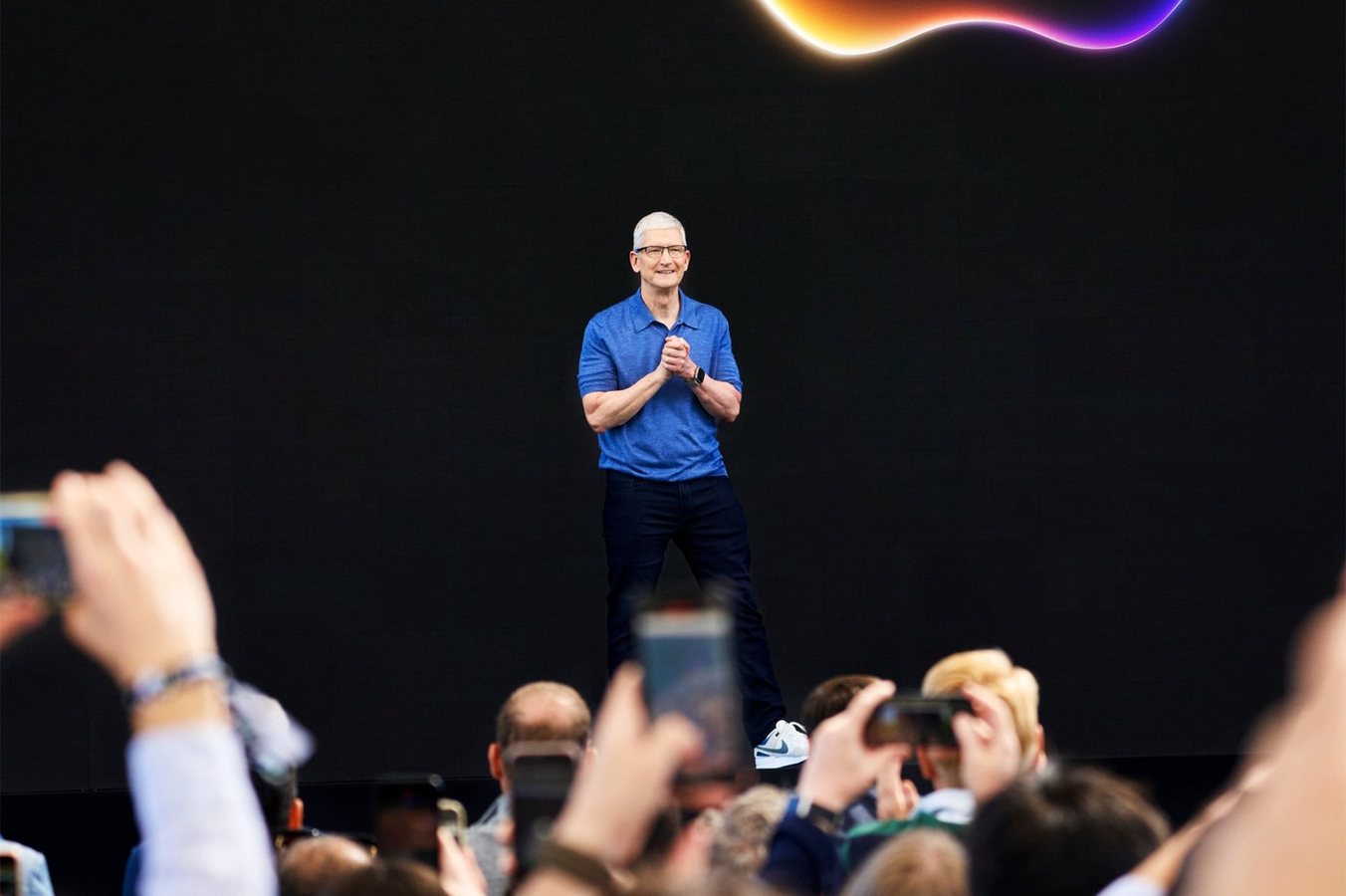
Apple has bought back more than $880 billion of its own stock over the 15 years Tim Cook has served as chief executive, a scale of capital return that has reshaped shareholder returns and stands as one of the largest corporate repurchase programs in market history.
The figure reflects a strategy that has defined Cook's tenure: using the company's enormous cash generation to shrink its share count, lift per-share earnings, and return capital to investors. Buybacks do not change a company's underlying profit, but by reducing the number of shares outstanding they can magnify the value of each remaining share.
For shareholders, the effect has been cumulative. A smaller share count means each investor's stake represents a larger slice of future earnings, and the company's per-share metrics can rise even when total net income is flat. That dynamic has been central to how Apple's stock has performed over the period.
The program also reflects the financial architecture Cook inherited and then expanded. Apple became one of the most cash-rich companies in the world, and rather than hold all of that cash on its balance sheet, it directed a large share of it back to investors through buybacks and dividends. The buyback total is the most visible measure of that approach.
Buybacks of this magnitude are not without debate. Critics argue that heavy repurchasing can crowd out spending on research, capital investment, or worker pay, and that it can flatter per-share results without improving the underlying business. Supporters counter that returning excess cash is a disciplined use of capital when a company cannot reinvest it at attractive rates.
Apple's buyback record has also made it a reference point in broader discussions about corporate capital allocation. When policymakers and analysts debate whether large public companies should be repurchasing stock at such scale, Apple is frequently cited as the clearest example of the practice.
The scale of the program is tied directly to Apple's profitability over the period. Sustained cash flow from iPhone, services, and the wider hardware ecosystem gave the company the capacity to repurchase shares consistently, even as market conditions and the company's own valuation fluctuated.
Cook's tenure has now spanned a period in which Apple's market value grew into the trillions, and the buyback total is one measure of how that growth was shared with investors. The company has not signaled a departure from the approach, and the cumulative figure continues to stand as a marker of how aggressively it has used its balance sheet.
For readers tracking corporate finance, the Apple case illustrates a simple mechanism: when a company buys its own shares, remaining shareholders own a larger percentage of the business. Over 15 years and more than $880 billion, that mechanism has been applied at a scale few other companies have matched.