3 minBusiness
Puente Hills Mall, Back to the Future’s Twin Pines, eyed for data center
The owners of the Puente Hills Mall in Industry, California, have proposed converting the largely vacant site into warehouses, a bus station and a 10-megawatt data center, drawing opposition from residents.
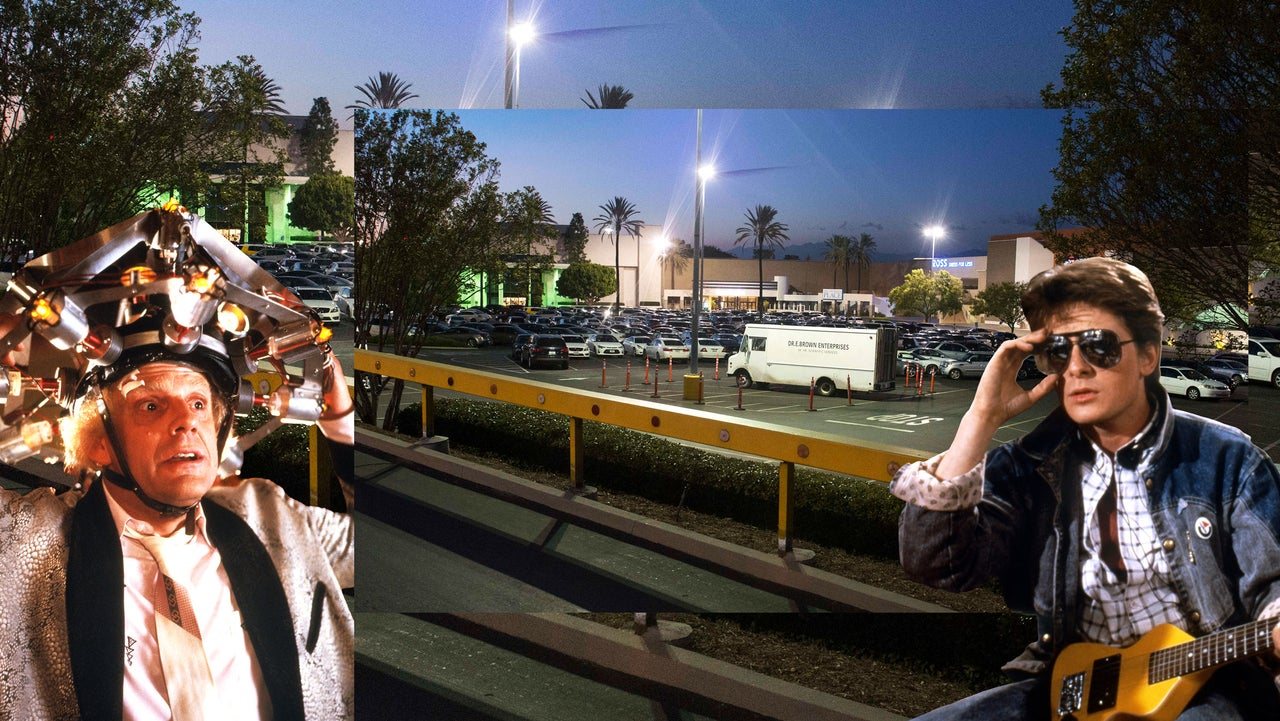
The Puente Hills Mall in Industry, California, is best known to fans of Back to the Future as the Twin Pines Mall, the setting where Marty McFly and Doc Brown were chased by terrorists after Doc took their stolen plutonium. Now the property’s owners are proposing to convert the largely vacant complex into a site that would include two warehouses, a bus transit station and a 10-megawatt data center, a plan that has prompted pushback from local residents.
The proposal is not yet approved. City officials have not endorsed the transformation of the mall into a data center complex. Two separate plans have been put forward for the property. One calls for two warehouses, with the option to convert one of them into a data center. The second combines industrial and commercial development, with either a warehouse or a warehouse and data center alongside several new commercial buildings. Both versions would include the bus transit station and surface parking.
The scale of the proposed data center is modest by current industry standards, where hyperscale facilities can reach 1,000 megawatts. Even so, the plan has drawn significant opposition. The mall was used for exterior shots of the fictional Twin Pines Mall in the 1985 film. Originally opened in the 1970s, it has lost much of its appeal for shoppers. It still has 1.1 to 1.2 million square feet of leasable space, but today its main tenants are an AMC movie theater and Round1, an entertainment venue with arcade games and bowling alleys. The property still draws visitors, in part because of the lasting popularity of the Back to the Future films. It was purchased two years ago for a reported $115 million.
A citizens’ group in the area has organized against the data center plans. Opponents argue that the facility would worsen air quality around the City of Industry, increase noise pollution and drive up utility bills. They also say the mall serves as an important third space, a place where people gather and socialize outside of home, work or school. Protest organizer Falynn Love told KCRW that she met her husband at the mall in 2001 while both were there to see a movie.
Opponents face a difficult path. Some California cities, including nearby Baldwin Park, have adopted temporary moratoriums on data centers, but the City of Industry has a much smaller population than its neighbors and is 92% zoned for industrial use, which could make it harder to block the conversion. Sam Brown-Vázquez, an organizer with No Data Centers San Gabriel Valley, said residents in unincorporated Los Angeles County would bear the public health and environmental impacts and that there is currently no remedy, recourse or enforcement mechanism. Local officials appear less sympathetic to the opposition. In February, the City Council approved zoning changes that critics say would allow battery energy storage systems and data centers to be built throughout the city.
9