4 minBusiness
Musk warns over 200 AI cloud firms could collapse as debt markets tighten
Elon Musk predicts that more than 200 neocloud companies that rent out AI computing capacity may not survive as lenders pull back, with CoreWeave's debt load offered as an example of the strain.
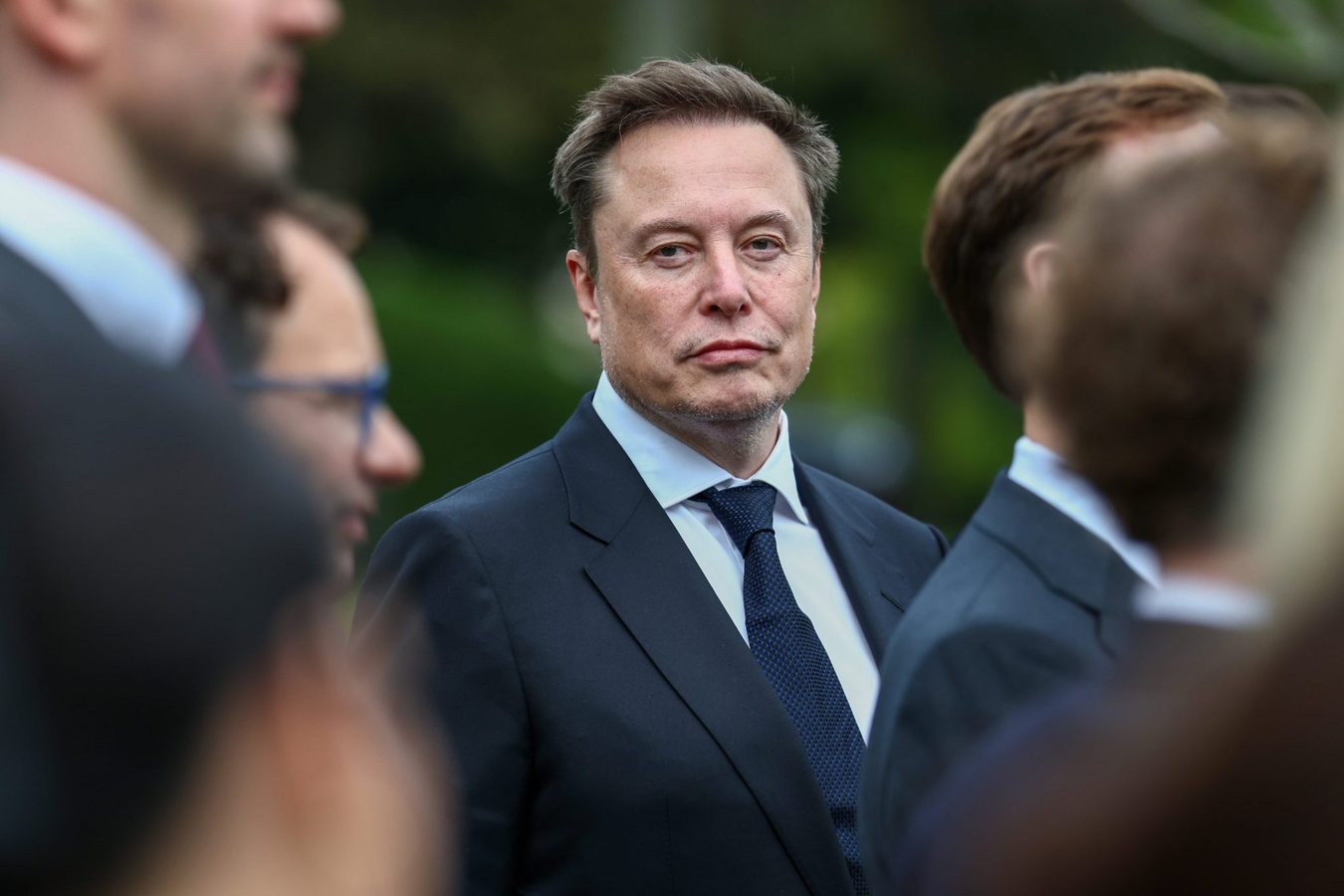
Elon Musk has warned that more than 200 so-called neocloud companies could face «guppy-level death and consolidation» as lenders become reluctant to finance businesses that depend wholly on demand for artificial intelligence. In an X post on Sunday, the world's richest man wrote that «debt markets have almost entirely shut off access to money for any company that doesn't have substantial revenue independent of AI data centers.» The warning comes as investors increasingly question whether spending on AI infrastructure will generate enough revenue to justify its costs.
Neoclouds are firms that buy expensive Nvidia chips, build data centers and then lease that computing capacity to model developers. They borrow heavily to finance these purchases, and their survival depends on continued demand for compute. Larger players such as Google and Meta can fall back on other sources of revenue to fund their AI spending. Smaller neoclouds cannot, so higher borrowing costs or a cut in customer spending would make it difficult for them to repay their debts. Musk said SpaceX is insulated from this risk because it has closed $40 billion in debt financing and has Starlink, which generates revenue not tied to AI.
CoreWeave, one of the largest neoclouds, illustrates the pressure. Its revenue backlog stood at $104 billion at the end of the second quarter, with $25 billion in new commitments added early in the third quarter. Its latest quarterly filing, however, showed $35.6 billion in outstanding debt at the end of June, compared with $5.5 billion in cash and cash equivalents. Last month the company took on $4.2 billion more in debt. Concern about its ability to manage that debt pushed the cost of insuring it against default to a record high last week, with credit default swaps implying a more than 60% chance of default over the next five years.
The concern extends across the industry. Analysts at research firm Gartner predicted on October 14 that cost pressure and a lack of a differentiating business model will force 80% of neoclouds to stop operating by 2030. Data center owners need to generate $8.6 trillion in revenue to cover financing and capital spending, according to the figures cited, while enterprise and consumer AI revenue linked to those data centers is forecast at only $3.6 trillion. Torsten Slok, chief economist at Apollo Global Management, told CNBC there is a «shortage of capital» to fund AI infrastructure because the sector competes with government debt and deficit financing.
Hyperscalers are also raising large sums through debt and stock issuance, with plans to raise more, raising doubts about whether enough capital will remain for smaller providers. CoreWeave pushed back against the broad picture. «The AI cloud market is not a monolith,» a company spokesperson told Fortune. «Lenders distinguish between speculative capacity and businesses with differentiated technology, creditworthy customers, contracted revenue and a record of delivering.» The company said its position as a market leader operating at scale underpins its continued ability to finance growth.
7