6 minBusiness
Canada's Purchases of U.S.-Built Cars Fall to Record Low as Tariffs Backfire
U.S.-built vehicles accounted for just 28.4% of new car sales in Canada in the first half of 2026, down from 35.4% a year earlier, as retaliatory tariffs and shifting supply chains erode America's largest auto export market.
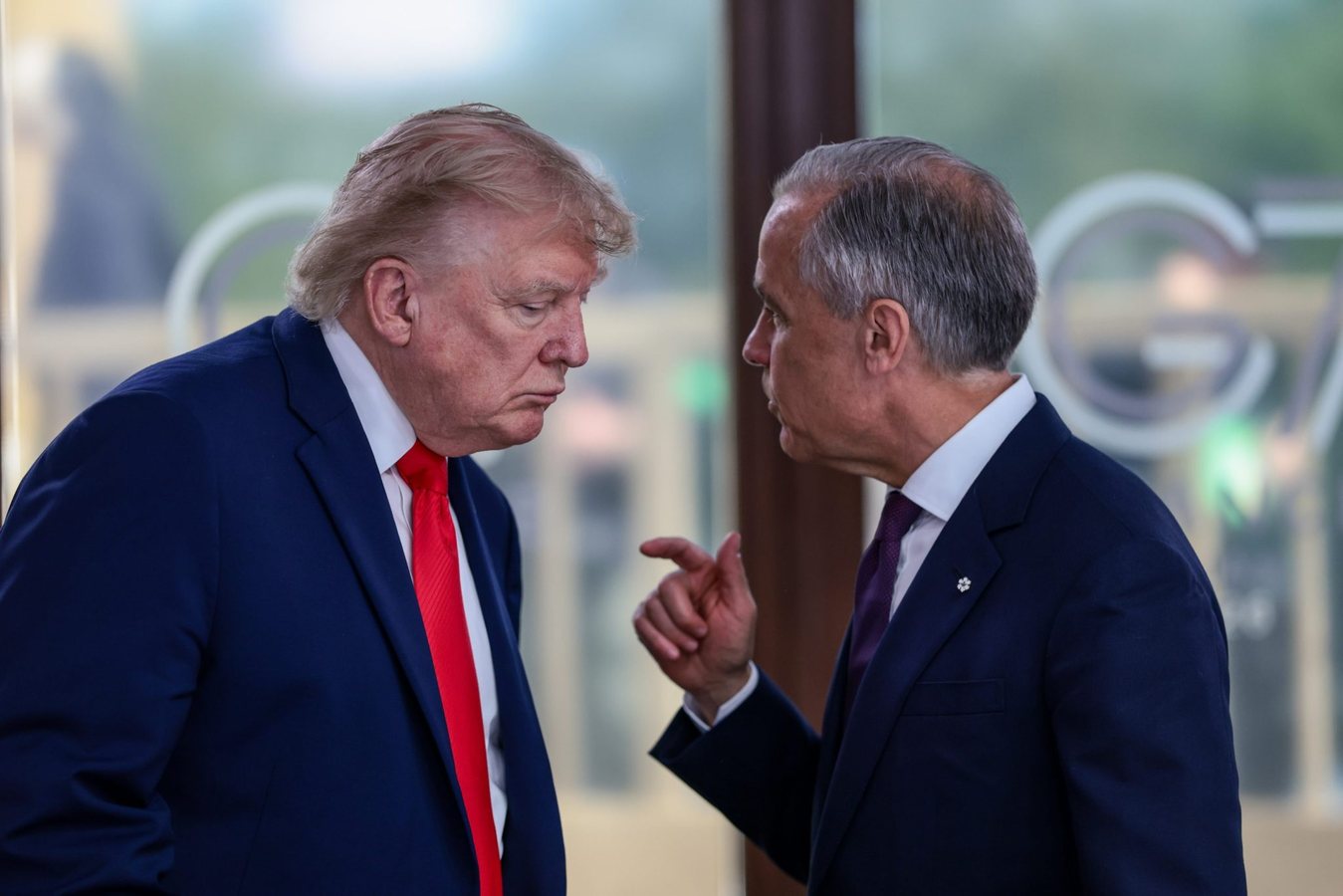
U.S.-built vehicles are losing their grip on the Canadian market at an accelerating pace, with new data showing that American assembly plants supplied only 28.4% of new cars sold in Canada during the first half of 2026 — a sharp drop from 35.4% in the same period last year and far below the roughly 40% share the United States held from about 2021 to 2025.
The decline, based on JD Power Canada figures, marks a new low for U.S. automakers in what remains their single largest export market. A decade ago, nearly half of all new vehicles registered in Canada were built in the United States. Analysts attribute the collapse to a cycle of import taxes that began with a 25% U.S. tariff on Canadian-made cars and is scheduled to escalate on Jan. 1, 2027, when the levy is expected to double and extend to Canadian auto parts, steel, and finished vehicles. Canada responded with retaliatory tariffs on American-made autos, steel, and aluminum.
«The data is irrefutable,» Brian Kingston, chief executive of the Canadian Vehicle Manufacturers' Association, which represents the major U.S. automakers in Canada, told Automotive News Canada. «By virtually every metric — be it jobs, production, prices, tariff costs — every metric points to the same thing: U.S. trade policy is damaging the U.S. auto industry.»
The damage is compounded by the deeply integrated nature of North American vehicle production. No car is built in a single country; thousands of components cross borders multiple times before a vehicle is finished. That means U.S. automakers remain dependent on foreign parts even for vehicles assembled on American soil. General Motors and Stellantis have each reported billions of dollars in tariff-related losses, and Kelley Blue Book has estimated that the import taxes could raise car prices by as much as $6,000, lifting the cost of auto taxes, financing, and insurance along with them.
Economists warned from the outset that the trade restrictions could reduce, rather than increase, U.S. vehicle output, because so many «American-made» cars are partially assembled in Canada or Mexico before final completion in the United States. There are now about 75,000 fewer U.S. manufacturing jobs than in January 2025, including 25,900 fewer positions in motor vehicle and parts production. Long-term reshoring announcements, such as Toyota's planned $3.6 billion assembly plant in San Antonio and Ford's intention to move some Lincoln production from China to the United States by 2030, could restore some roles, but they offer little relief in the near term.
Meanwhile, Canada's shrinking appetite for American vehicles is benefiting competitors in Asia and Europe, where more integrated supply chains and lower tariff barriers make production cheaper. Canadian imports from Japan rose from 13.7% in the first half of 2025 to 16.6% in the same period this year, according to JD Power. South Korean imports climbed one percentage point to 15.6%, while European imports held steady.
«We're in this odd situation where it is now more cost-effective to build a car in Japan or Germany, South Korea, Mexico, and bring it into North America than to build here in North America because of all of the mounting tariff costs,» Kingston said. «That does not bode well for the future of North America's automotive industry.»
The stakes extend beyond quarterly sales figures. Canada is the largest export market for American auto manufacturers — larger than the next ten markets combined, according to a Royal Bank of Canada analysis published last month. Auto trade between the two countries has topped $100 billion this year, and the relationship rests on a framework built over six decades, beginning with a 1965 pact that eliminated some import taxes and consolidated production across the border. The 1994 North American Free Trade Agreement deepened those ties, and the 2020 United States-Mexico-Canada Agreement fortified them further.
President Donald Trump has declined to renew the USMCA despite having signed the legislation that created it six years ago. The agreement had blunted some tariff effects by providing carve-outs for auto parts, and its lapse would add fresh supply-chain uncertainty. The Tax Foundation has estimated that removing USMCA exemptions would increase taxes by $466 billion over the next decade, cost about $300 per U.S. household next year, and reduce U.S. output by roughly 0.1%, equivalent to the lost working hours of 95,000 full-time jobs.
Kingston argued that the erosion of trade diplomacy between the two countries threatens more than short-term economic output. It could jeopardize a 60-year-old partnership that has underpinned industrial synergy across the continent. «You shrink your market when you take protectionist policies, and you make your industries less competitive,» he said. «This isn't a winning formula for success, and the longer these tariffs are in place, the more damage it's done.»
8