4 minBusiness
Brands Build Loyalty by Fostering Real Community, Not Campaigns
Companies that turn audiences into communities earn deeper loyalty by listening differently, ceding some control, and understanding what passionate customers value, according to a new discussion on the business of belonging.
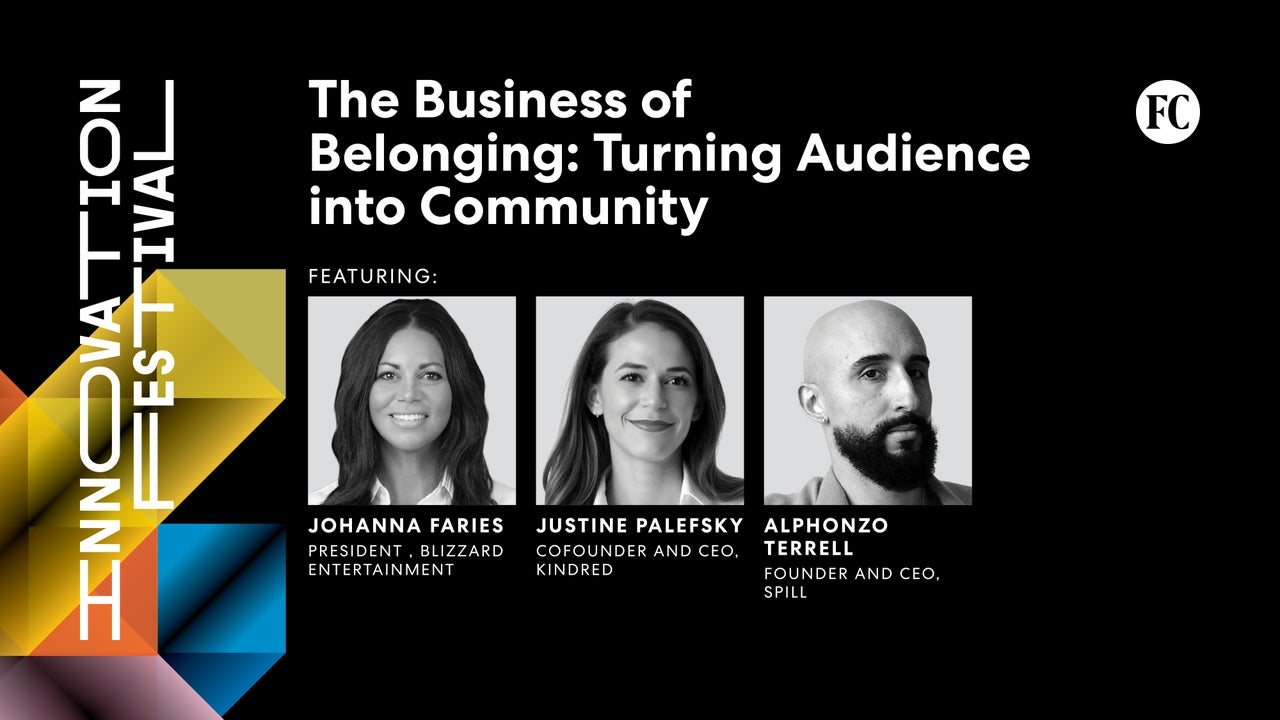
Brands seeking lasting loyalty in a fast-scrolling consumer landscape are finding that community cannot be manufactured through a hashtag or added to a marketing plan after the fact. Instead, companies must earn belonging by listening differently, giving up some control, and understanding what their most passionate customers truly value, according to a new discussion on the business of belonging.
The core argument is that real community requires a shift in how companies engage with their audiences. Rather than treating customers as passive recipients of messages, successful brands treat them as participants with shared interests and a stake in the outcome. That approach builds deeper connections and inspires loyalty that survives the next viral trend.
But scaling a community without destroying the magic that made people care in the first place is a delicate balancing act. As a brand grows, the informal, authentic interactions that first attracted members can be squeezed out by rigid processes or heavy-handed moderation. The discussion highlights that companies must resist the urge to over-manage and instead create conditions where community members can shape the culture themselves.
Listening differently means paying attention to what passionate customers actually value, not what executives assume they want. That often requires giving up some control over the narrative and letting community members take the lead in conversations, events, and content. Brands that do this well find that their most engaged customers become advocates, creating a flywheel of organic growth that paid advertising cannot replicate.
The business case for belonging is straightforward: loyal communities drive repeat purchases, reduce churn, and lower customer acquisition costs. When people feel they belong to something bigger than a product, they are more likely to forgive missteps and stay engaged during quiet periods. That resilience is especially valuable in an era when consumers can scroll past anything in seconds.
Yet the discussion also warns that community cannot be bolted onto a marketing strategy as an afterthought. It has to be woven into the company’s operations, from product development to customer service. That means hiring people who understand community dynamics, investing in platforms that facilitate genuine interaction, and measuring success by engagement and retention rather than just reach.
For businesses looking to apply this thinking, the first step is to identify the people who already care most about the brand and ask what they need to feel more connected. That might mean creating spaces for peer-to-peer support, hosting local meetups, or giving superusers early access to new features. The key is to start small, learn from what works, and resist the temptation to scale too quickly.
Ultimately, the business of belonging is about recognizing that community is earned, not bought. Companies that understand this will be better positioned to build durable relationships with customers who see themselves not just as buyers, but as members of something worth belonging to.