4 minWorld
Ukraine’s Patriot shortage exposes a wider NATO inventory problem
Russia’s ballistic campaign is consuming interceptors faster than allied stockpiles can be replenished, forcing governments to weigh Ukraine’s immediate needs against their own readiness.
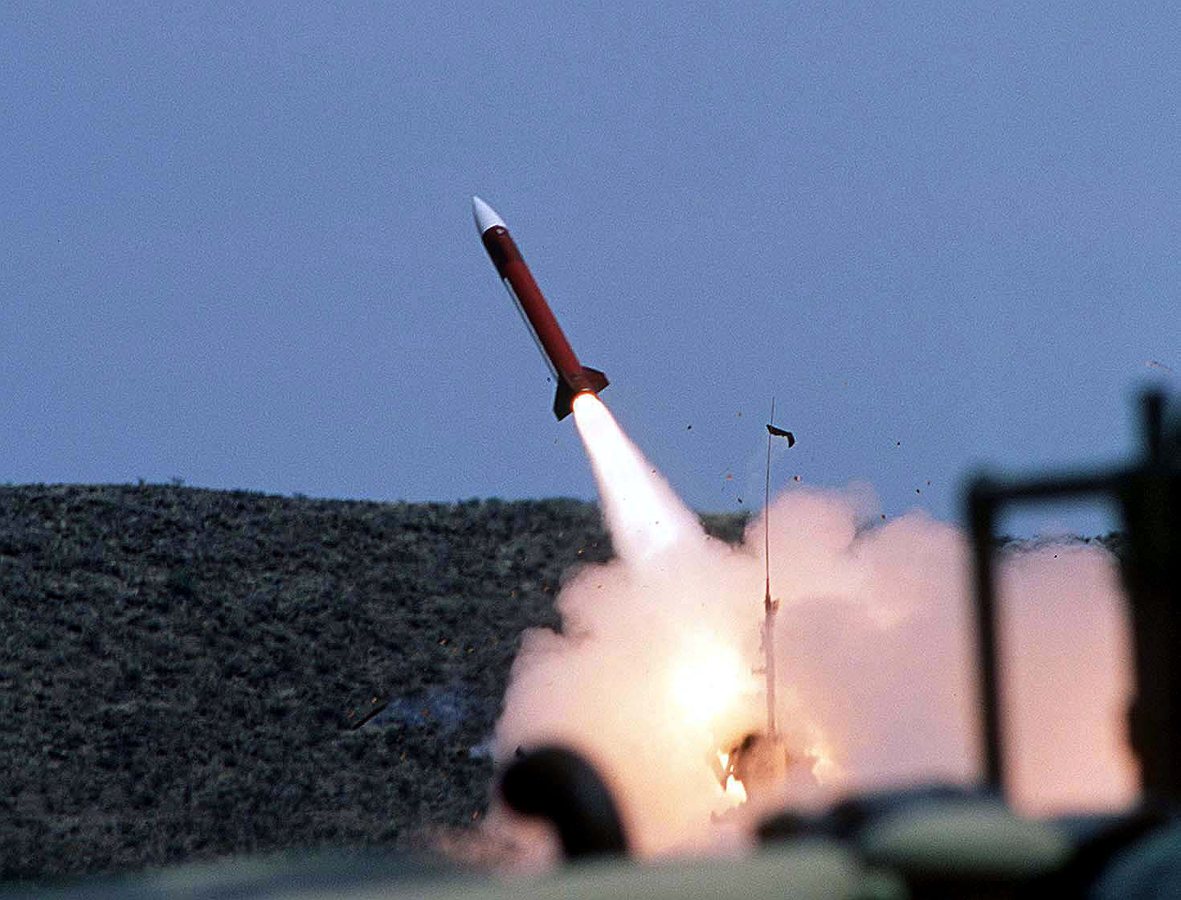
Ukraine’s shortage of Patriot interceptor missiles is becoming a broader test of NATO readiness. The core problem is not whether allied governments support Ukrainian air defense. Many do, and several have funded major new orders. The problem is that the same finite pool of missiles is now expected to cover Ukraine’s daily combat needs, national defense plans across Europe and U.S. global commitments.
A report attributed to Politico says Germany, Poland, Spain and Greece are reluctant to run down their own Patriot stocks while the United States is itself short of rapid replacements. Each of those countries operates Patriot and therefore has a direct readiness interest in the missiles. For an alliance designed around collective defense, the dilemma is unusually concrete: moving a missile east can improve security by defeating a Russian weapon over Ukraine while simultaneously reducing the donor’s own on-hand reserve.
Ukraine’s requirement is large enough to make normal peacetime procurement assumptions irrelevant. European defense commissioner Andrius Kubilius said Ukraine could need roughly 700 PAC-2 and PAC-3 interceptors over four winter months. Lockheed Martin delivered 620 PAC-3 MSE missiles in all of 2025. Although the two figures cover different mixes of Patriot ammunition, the comparison captures the industrial challenge.
Production is being expanded. Lockheed Martin and the U.S. government have a seven-year framework to raise annual PAC-3 MSE capacity from roughly 600 to 2,000. RTX has a multibillion-dollar contract for GEM-T interceptors for Ukraine and expects a new production facility in Germany to support the program. Germany is financing several hundred missiles for Kyiv. These investments are designed to prevent today’s shortage from becoming permanent.
But they cannot fill the immediate gap. In July Ukraine appealed to nearly 40 partners to send missiles from existing inventories and accept replacement later from contracted production. The request effectively asks allies to take a temporary readiness risk so Ukraine can address a current combat risk. It also tests whether national stockpile targets can be flexed during a major war on the alliance’s border.
The consequences of scarcity are already measurable. During a major Russian attack on Kyiv in early August, Ukraine failed to intercept the ballistic missiles in the strike. Financial Times reporting described Patriot interceptor stocks as critically low and said Western supplies had fallen sharply compared with the previous year. Ukraine can use other systems against drones and cruise missiles, but Patriot remains the central ground-based defense against ballistic threats.
For NATO planners, the shortage exposes the difference between owning a capability and sustaining it. A battery may be deployed and operational, but its military value depends on the depth of the missile stock behind it. The war is therefore forcing allies to think about ammunition reserves as a collective endurance problem, not merely as a national procurement line.
Russia is also increasing the rate at which the problem must be solved. The Financial Times wrote on August 11 that Moscow is producing about 70 ballistic missiles a month and launched 198 in the previous month. If attacks on Ukraine’s energy grid intensify again in winter, NATO governments will face repeated decisions over inventory rather than a single dramatic pledge. The alliance’s long-term response is higher industrial capacity. Its near-term credibility may depend on whether it can move enough missiles from storage to combat before that capacity comes online.
66