5 minWorld
U.N. Faces Uphill Battle to Stay Relevant as Succession Race Begins
As António Guterres prepares to leave office, the next U.N. Secretary-General will inherit an organization weakened by great-power rivalry, funding cuts, and a crisis of credibility. The challenge is to keep the institution relevant in a world of competition rather than cooperation.
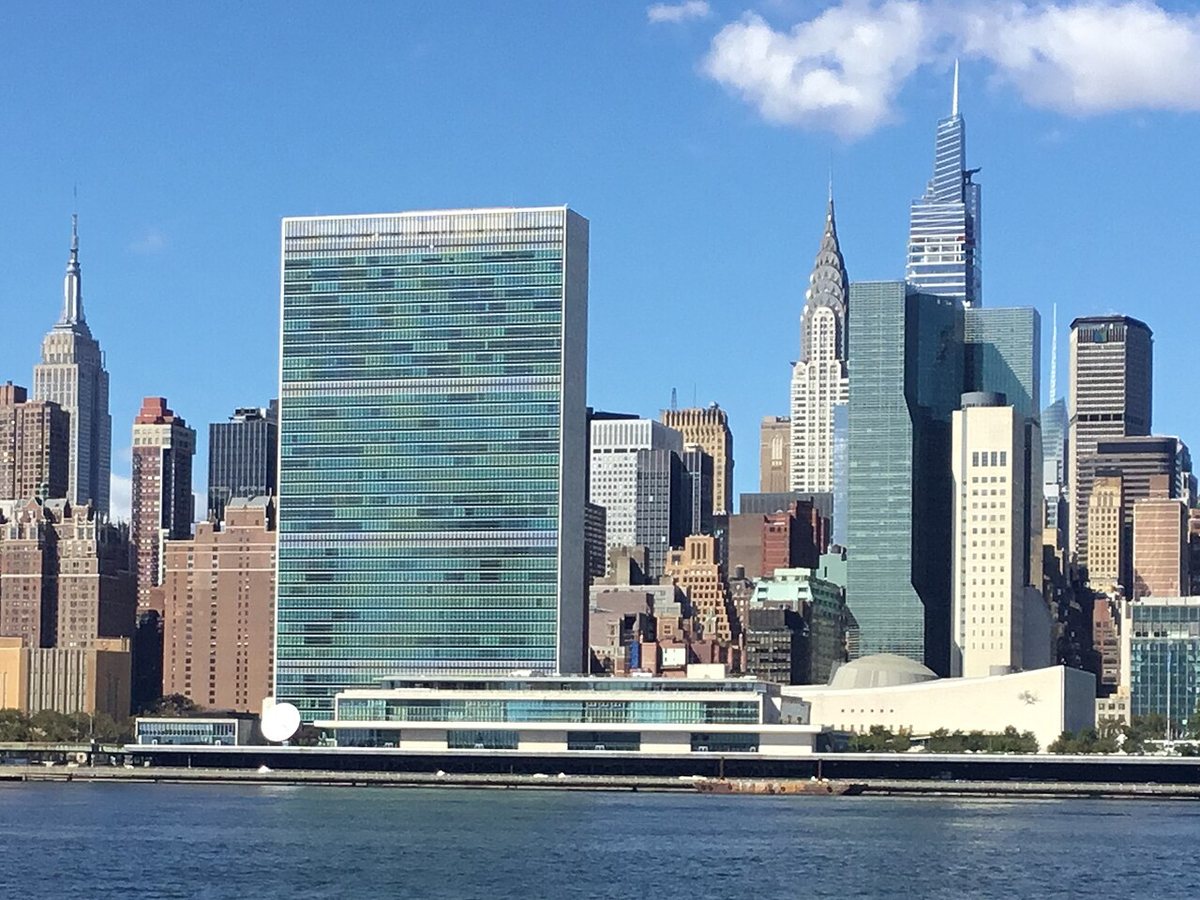
The race to succeed António Guterres as United Nations Secretary-General is underway, and the winner will inherit an institution at one of the lowest points in its eight-decade history. With the Security Council paralyzed by vetoes, the United States withholding billions in funding, and global crises multiplying, diplomats and insiders are openly questioning whether anyone can reverse the organization's decline — or whether the next leader will simply manage its gradual retreat from relevance.
Guterres completes his final term in December, and the timing of the transition could hardly be more difficult. The U.N.'s political authority has been eroded by repeated failures to act on major conflicts. Russia's invasion of Ukraine and the U.S. decision to attack Iran in February have signaled that some of the Security Council's most powerful members no longer feel bound by the Charter's prohibition against aggression. The Biden administration's refusal to support ceasefire calls in Gaza during 2023 and 2024 also stirred deep resentment across the organization.
The financial picture is equally bleak. The Trump administration cut off the bulk of U.S. funding for U.N. operations in 2025, leaving officials scrambling to pay bills. Washington is supposed to cover about a fifth of the organization's core costs and a quarter of the budget for peacekeeping operations, which total roughly $8.5 billion this year. The U.S. currently owes the U.N. about $4 billion in unpaid dues. The U.S. also previously funded about a third of the budgets for major relief agencies such as the World Food Programme, which need tens of billions of dollars annually to feed, vaccinate, and shelter vulnerable populations.
Other traditional donors are scaling back as well. European governments are reducing development and humanitarian aid, and no alternative donors have stepped in to close the gap. China now contributes almost as much as the U.S. to the U.N.'s core and peacekeeping budgets but is often slow to pay and gives very little to humanitarian efforts. While some U.S. funds have been released this year, major relief agencies have already been forced to cut life-saving assistance in places like South Sudan and Afghanistan.
This is a stark contrast to the landscape Guterres encountered when he took office in 2017. At that time, member states had just agreed to the Paris climate accord and a new set of Sustainable Development Goals, including a pledge to eradicate extreme poverty by 2030. Geopolitical storm clouds were gathering — the Security Council was divided over Syria, and Donald Trump's election signaled trouble ahead — but a broad agenda for international cooperation appeared to be in place.
That optimism proved short-lived. Guterres spent much of his first term trying to keep crises at bay, but rising tensions among major powers and disputes over financing development and climate adaptation have eroded trust between governments. The U.N. was founded in 1945 to save succeeding generations from the scourge of war, and if political leaders no longer believe it can live up to that goal, they are less likely to take it seriously on other issues such as artificial intelligence or economic cooperation.
The next Secretary-General will need formidable political skills to persuade world leaders to listen. The central challenge is balancing two competing imperatives: the U.N. rests on international cooperation, but the current global moment is one of international competition. Experts argue this is no time to preach the virtues of solidarity. Instead, a shrewd leader should meet governments where they are, accept that their rifts are real, and find ways to help states de-escalate conflicts and cooperate out of necessity rather than idealism.
Some predict the next leader will simply have to do less with less and manage institutional decline as gracefully as possible. Others hold out hope that a new Secretary-General could reverse the slide and persuade powers large and small to invest in the organization. With wars, epidemics, and climate change continuing to proliferate, there remains a compelling case for preserving the U.N. as a space for global deal-making. Whether any candidate can rise to that task is the question now facing member states as they weigh their options.
50