6 minWorld
Trump dismisses reports Russia and China are helping Iran as «very unimpactful»
President Donald Trump downplayed allegations that Russia and China are supporting Iran in its fight against U.S. forces, while officials in his own administration acknowledged Moscow and Beijing are enabling Tehran in other ways.
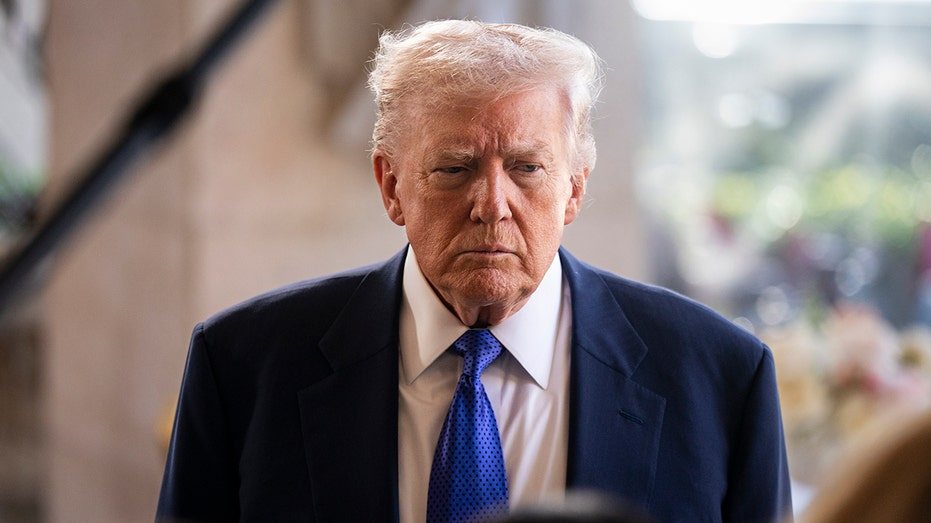
President Donald Trump is downplaying allegations that Russia and China are helping Iran in its conflict with the United States, saying any such support has been «very unimpactful» even as members of his own administration acknowledge Moscow and Beijing are aiding Tehran in other ways.
Responding to Ukrainian President Volodymyr Zelenskyy’s claim that Russia supplied Iran with satellite imagery of U.S. military installations in the Gulf, Trump said he would look into it. «We’ll find out if that’s true. I’ll ask Putin. We’ll find out,» Trump told reporters. «I don’t think they’ve been doing it, certainly not at a high level. And if they have, it has been very unimpactful.»
Trump pointed to the damage inflicted on Iran’s military during the war, arguing Russian help has not prevented the United States from destroying much of Tehran’s conventional forces. His comments came as his administration faced separate reports about Russian and Chinese support for Iran, which, if confirmed, would suggest America’s two chief geopolitical rivals are quietly backing a nation at war with the U.S.
The White House maintained that foreign assistance has not made Iran more capable of attacking Americans. «As the President stated, nothing that any outside actor is doing to help Iran is in any way increasing their ability to target Americans,» an official said. Defense Secretary Pete Hegseth has said Russia and China are «enabling some of the things Iran is doing,» but the administration argues the help has not improved Tehran’s ability to strike U.S. forces.
Zelenskyy laid out Ukraine’s evidence, saying Russian satellites surveyed Gulf countries and U.S. military installations beginning in early July and that imagery later appeared in Iran. «These images subsequently appear in Iran,» he wrote. He described a «clear correlation» between Russian observations and subsequent Iranian attacks, saying Moscow collected imagery before strikes to aid targeting and returned afterward to assess the damage. According to Zelenskyy, Russian satellites focused on four air bases over two days — two in Bahrain and one each in Jordan and Kuwait — and Ukrainian intelligence shared the information with foreign partners. Such imagery could help Iran locate high-value assets and refine strike coordinates, then show whether an attack hit its intended target.
Ukrainian Ambassador to the U.S. Olga Stefanishyna said at a July 30 reporter roundtable that the allegation did not come up during Zelenskyy’s White House meeting with Trump because the agenda was full, but Ukraine provided the information «through other channels.» A Ukrainian official said Kyiv wants to avoid «opening a second front» with Iran.
Hegseth acknowledged Russian and Chinese support for Iran during a Senate hearing in July, saying there was «definitely adversary alignment.» He said Russia and China were «at different levels, enabling some of the things Iran is doing.» He added that the U.S. has ways to deter that support, though some measures should remain classified.
Russia has denied providing intelligence on American military targets. Foreign Minister Sergey Lavrov said the locations of U.S. bases are publicly available, and the Kremlin dismissed earlier reporting about Russian intelligence support for Iran as false.
Trump also questioned reporting that Iran could soon receive hundreds of Chinese-made shoulder-fired air-defense systems through Pakistan. Beijing has denied the claim. Trump said Chinese President Xi Jinping assured him China would stay out of the conflict. «That was surprising. I mean, things like that happen, but that would be surprising. He told me very strongly he wouldn’t partake, but he knows I’d be quite disappointed. He’s coming here, I think, on September 24,» Trump said.
Matthew Kroenig, a former Pentagon and intelligence official, called the reports «highly plausible,» pointing to growing cooperation among Russia, China and Iran. «From Russia and China’s point of view, if they can complicate the U.S. war in the Middle East and raise the cost to Washington, that’s a good thing for them,» he said. Kroenig suggested Trump may be warning Moscow and Beijing privately rather than confronting them before television cameras. «That might be the most generous interpretation, that it’s his way of warning China and Russia to knock it off,» he said.
Kroenig cautioned that relying on assurances from Putin and Xi would carry risk and urged the administration to make clear that either country would face consequences for helping Tehran. «I think there would be a risk to just discounting this altogether,» he said.