4 minWorld
Trump cancels planned strike on Iran, says deal framework agreed
President Donald Trump said he called off a planned U.S. military strike on Iran after Tehran and regional governments asked for time to finalize a deal covering the Strait of Hormuz and the Iran nuclear program.
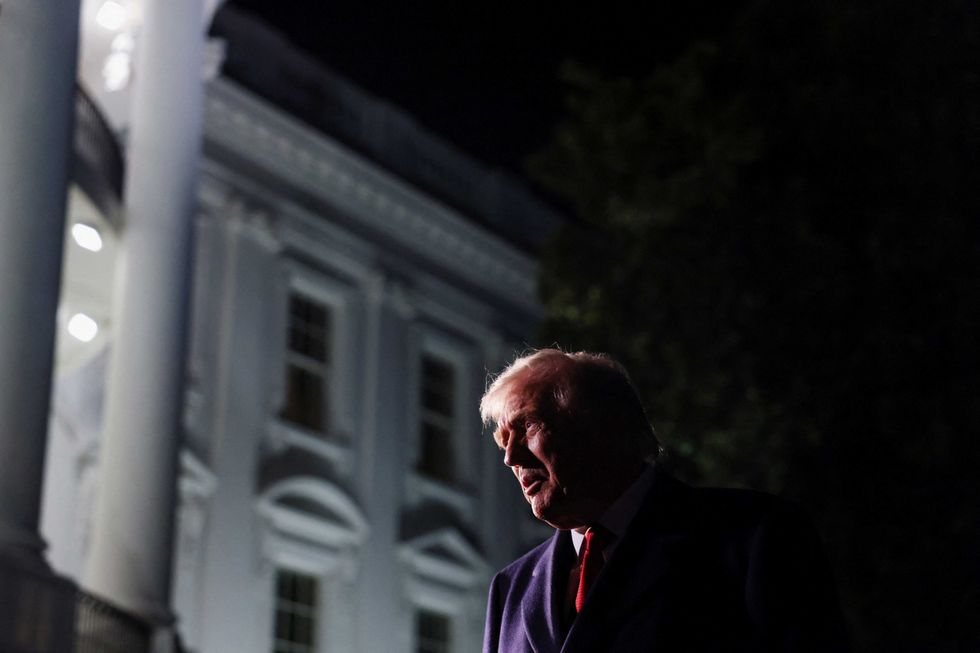
President Donald Trump said he called off a planned U.S. military strike on Iran after Tehran and other Middle Eastern governments asked Washington to hold off while the outlines of a deal were agreed. In a Saturday night post on Truth Social, Trump said the United States was «locked and loaded» and ready to attack the Islamic Republic with force «not seen since World War II,» but that he had agreed to cancel the operation after the request.
Trump described the emerging agreement as including the «Immediate, Complete, and Total OPENING OF THE HORMUZ STRAIT» and an end to the nuclear threat posed by Iran. He said he made the decision «for the future benefit of the WORLD and, likewise, the survival of a successful and prosperous Iran,» and that the cancellation was subject to being able to rapidly make a deal.
According to the president, Iran and other countries in the region asked the United States not to proceed because the parameters of a deal had been agreed to. He did not name the countries involved, but a Saturday report from Axios said Saudi Crown Prince Mohammed bin Salman had privately pleaded with Trump in a conversation that day to hold off on an attack. That report appeared to match the statement by Trump that other Middle Eastern governments had joined Tehran in requesting a pause.
Behind the scenes, the Trump administration and Israeli officials had reportedly been considering military action. Multiple inside sources said the two governments were weighing what would be one of the harshest bombing campaigns to date, targeting Iranian energy infrastructure. The operation would have been aimed at the same nuclear threat that Trump says the deal would end.
Trump said Israel joined him in the commitment and urged all sides to «Get to work, everybody, and get it DONE.» His post did not specify who had negotiated the arrangement, when it would be completed, or how its terms would be verified.
The Strait of Hormuz is a strategically vital shipping lane through which about 20 percent of global oil trade has historically flowed. Trump has repeatedly insisted that the strait was open despite evidence to the contrary. The announcement on Saturday marked the latest instance of that claim, and his post again treated the reopening of the strait as a core condition for avoiding an attack.
The cancellation puts U.S. policy toward Iran in a delicate phase. The president had been projecting military readiness, and the reported plan, had it gone ahead, would have been among the most severe American strikes against Iran in years. With no public details about the deal or its negotiators, the announcement left open whether the threat of force had created a genuine diplomatic opening or whether the crisis would soon resume.
Trump framed the outcome as a step forward for the world and for Iran, but the durability of any agreement remains untested. The coming days are likely to show whether Tehran follows through on the conditions the president described or whether the military option is taken off the table only temporarily.