6 minWorld
Trump Administration Moves to Dismantle International Criminal Court
The Trump administration announced plans to dismantle the International Criminal Court, imposing sanctions and visa bans, in a decisive move to protect American sovereignty from what officials call a 'power-mad' foreign court.
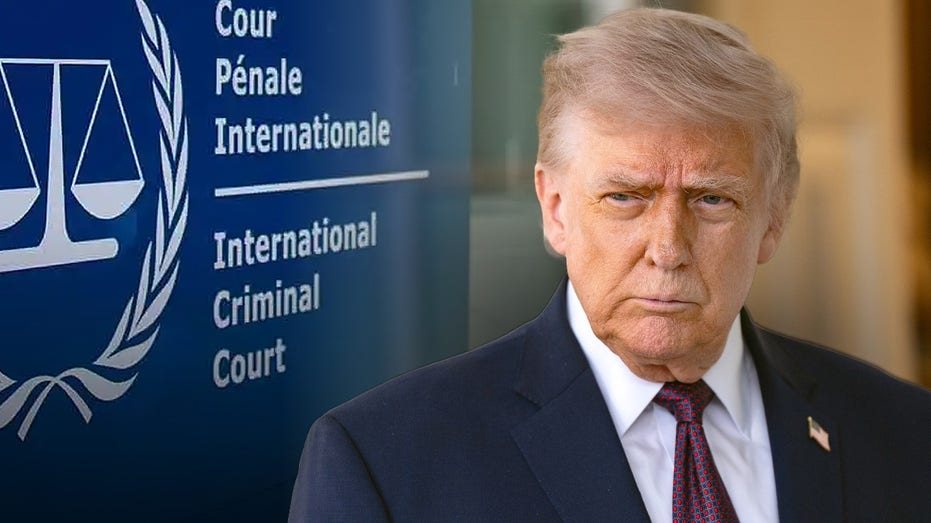
The Trump administration has taken a firm stance against the International Criminal Court (ICC), announcing plans to dismantle the court and impose sanctions on its officials, marking a significant escalation in the long-standing U.S. opposition to the global tribunal. Secretary of State Marco Rubio declared on July 13 that the administration would teach the ICC «the full meaning of American resolve,» signaling a shift from previous administrations' more cautious approaches.
The measures include diplomatic pressure on nations that cooperate with American law enforcement or military and benefit from U.S. protection, coordination with allies to reject ICC authority, sanctions against the court and its affiliates, and visa bans for ICC personnel. These actions aim to prevent the court from exercising jurisdiction over American citizens, soldiers, and elected officials, which the administration views as a direct threat to U.S. sovereignty.
Senator Mike Lee, a Republican from Utah, has been a vocal advocate for such policies, introducing legislation like the «ICC Out of NYC Act,» which would forbid United Nations properties in New York City from being used by ICC representatives or employees. Lee argues that the ICC, formed by a statute never ratified by the United States, has no legitimate authority over Americans and that allowing it to operate would betray the nation's founding principles of self-rule.
The ICC, established in 2002 to prosecute war crimes, crimes against humanity, and genocide, has long been a point of contention for the United States. While past presidents from both parties have refused to ratify the Rome Statute that created the court, none took decisive action to curb its influence. Lee criticized these «tepid half-measures,» asserting that only President Donald Trump has shown the boldness necessary to protect American sovereignty from an unaccountable supranational body.
The administration's move comes amid broader tensions over international legal bodies. The ICC recently faced controversy when its prosecutor, who sought an arrest warrant for Israeli Prime Minister Benjamin Netanyahu over alleged war crimes, was suspended over sexual misconduct allegations. This incident has fueled criticism that the court is politicized and overreaching.
Critics of the ICC argue that it undermines national sovereignty by claiming authority over nations that have not ratified its founding treaty. Supporters, however, see it as a vital tool for holding perpetrators of mass atrocities accountable when national courts fail. The United States has historically opposed the court on sovereignty grounds, with concerns that American servicemembers and officials could face politically motivated prosecutions.
The Trump administration's actions are likely to strain relations with European allies, many of whom are ICC member states and support the court's mission. However, the administration appears willing to accept diplomatic friction in pursuit of what it sees as a fundamental defense of American independence. The sanctions and visa bans could also affect ICC investigations into U.S. allies, such as Israel, which the court has targeted over actions in Palestinian territories.
Senator Lee emphasized that no nation is truly independent when it allows an unaccountable court to claim jurisdiction over its people and leaders. He framed the administration's stance as a continuation of the American spirit of defiance against distant powers, echoing the nation's founding rebellion against British rule. «Meeker countries may be content handing veto power over their foreign and domestic policy to an unaccountable supranational body, but such a blatant departure from national self-rule is entirely alien to the American tradition, mind and spirit,» Lee wrote.
The announcement has drawn mixed reactions. Supporters applaud the administration for taking a strong stand against international overreach, while critics warn that it could undermine global efforts to prosecute war crimes and weaken international law. Human rights organizations have expressed concern that the U.S. move could embolden other nations to defy the court, potentially shielding perpetrators of atrocities.
As the administration moves forward with its plan, the full impact on international justice and U.S. foreign relations remains to be seen. The ICC, which has faced challenges in securing cooperation from major powers, may find its authority further diminished if other nations follow the U.S. lead. For now, the Trump administration has made clear that it will not tolerate what it views as an encroachment on American sovereignty, setting the stage for a prolonged confrontation with the global court.
89