4 minWorld
Six Tech Entrepreneurs Build a Crisis Retreat in Argentina’s Andes
Wamani spans 32,000 hectares in Mendoza and combines housing, an airstrip and solar power with plans for cattle and locally hosted AI models.
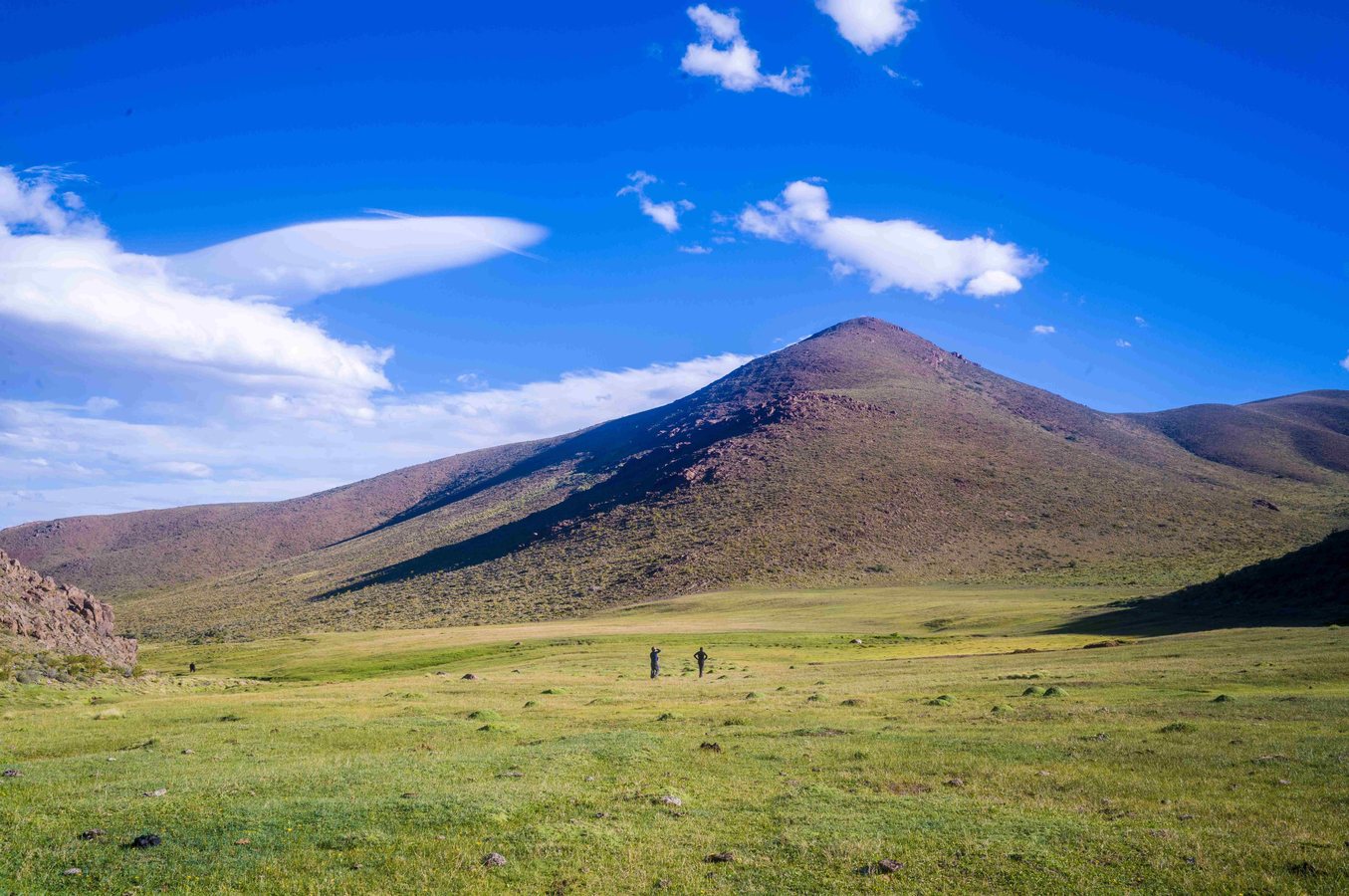
A group of six technology entrepreneurs is expanding a remote ranch in Argentina’s Mendoza province with the stated goal of making it more self-reliant if a major global crisis disrupts travel, energy, food supplies or internet infrastructure.
The property, called Wamani, covers 32,000 hectares in San Carlos near the Andes. Its official website confirms the area and advertises the estate as a remote mountain and ranch destination. The Financial Times reports that small prefabricated homes, geodesic domes and an airstrip have been built over the past two years, while solar panels form part of the energy setup. Wamani says it currently uses Starlink for basic connectivity.
Argentine-Spanish entrepreneur Martín Varsavsky owns 50% of the project, according to the Financial Times. Five other investors share the remaining stake. The reported group includes Alec Oxenford, co-founder of OLX and Argentina’s ambassador to the United States, and Dan Lubetzky, founder of Kind.
Several widely shared descriptions of the project go beyond what the reporting supports. One calls Wamani a “billionaires’ ark.” Lubetzky is a billionaire, but the Financial Times estimates Varsavsky’s fortune at about $700 million and does not identify every participant as a billionaire. Another claim says more than $10 million has already been invested. Varsavsky told the newspaper that the owners have spent almost $10 million so far.
The project’s digital contingency plan is real, but it is also still a proposal. Varsavsky said the owners are studying whether large language models can be downloaded to computers powered by solar energy. The purpose would be to preserve a limited set of AI and information tools if global servers were no longer available. That would not create a replacement for the worldwide internet. It would create a local system that could work with models and data stored in advance.
Wamani’s owners are also considering more conventional forms of self-sufficiency. Varsavsky plans to introduce cattle and has discussed acquiring a larger neighboring property where crops could be grown. The existing land contains springs and streams. The Financial Times notes, however, that Mendoza’s dry climate and periodic strong winds remain constraints, underscoring that remoteness comes with practical vulnerabilities of its own.
The ranch is not currently presented as a closed compound accessible only through personal connections. Wamani’s official website includes an option to inquire about availability and lists accommodation, meals, trekking, horseback riding, mountain biking and transfer services. It also says private flights can be coordinated through the property’s airstrip. The Financial Times reports that the owners have considered putting some accommodation on Airbnb.
Varsavsky’s motivation is explicitly geopolitical. He bought the property after Javier Milei’s election and has argued that Argentina’s distance from major conflict zones could become a strategic advantage. He previously proposed a “tranquility visa” concept for wealthy foreigners seeking a fallback destination during a major war. The Milei government is separately working on a citizenship-by-investment program, though that is not the same proposal.
Wamani is still a developing project rather than a completed autonomous settlement. It has physical infrastructure and active tourism operations, while several of its most ambitious resilience components remain plans. The distinction matters: the story is not that a finished private civilization already exists in the Andes, but that wealthy entrepreneurs are spending substantial money to reduce their dependence on systems they ordinarily assume will remain available.
73