4 minWorld
Saudi Crown Prince Urges Trump to Hold Off on Iran Strike, Report Says
Saudi Crown Prince Mohammed bin Salman privately urged President Donald Trump to hold off on a potential U.S.-Israeli strike on Iran, Axios reported, warning that such an attack could trigger an unprecedented escalation and endanger U.S. allies.
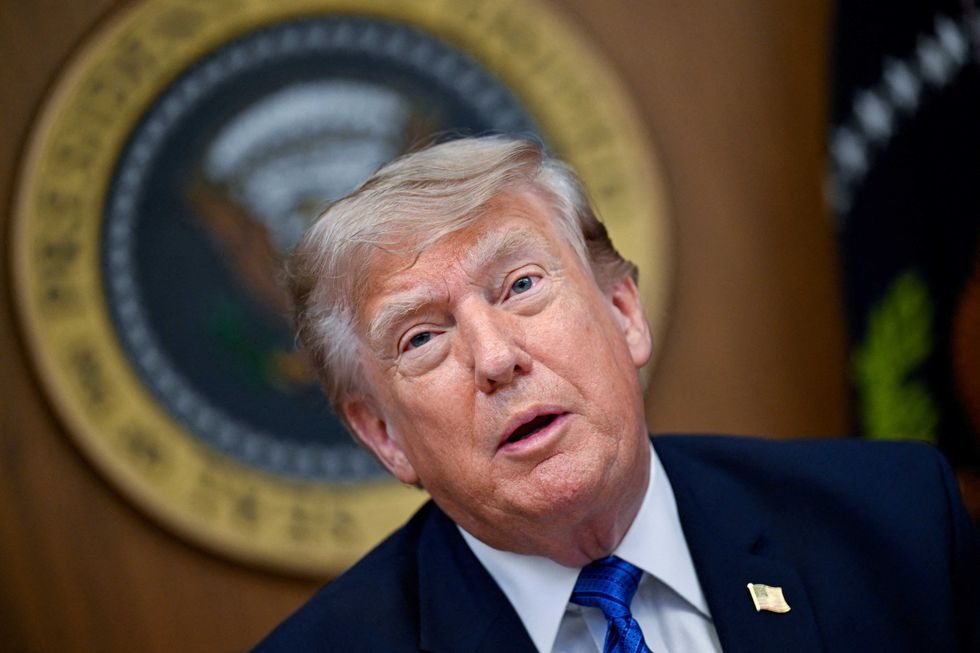
Saudi Crown Prince Mohammed bin Salman made a private plea to President Donald Trump on Saturday to hold off on authorizing a potential U.S.-Israeli attack on Iran that officials have described as possibly one of the harshest bombing campaigns to date, according to multiple reports.
Axios reported that the crown prince urged Trump to de-escalate and refrain from launching strikes. A U.S. official told Axios that the Saudis expressed concern and asked for clarity about the plan of action. A second person with knowledge of the call said bin Salman specifically asked Trump to hold back, Axios reported.
The reported appeal comes as the Trump administration and Israeli officials weigh military action targeting Iranian energy infrastructure. CBS News, citing multiple inside sources, said the campaign under consideration would be among the most severe bombing efforts in the conflict so far. The potential attack would be a response to Iranian attacks on a U.S. military base in Jordan earlier this week.
Axios writer Barak Ravid noted that such an attack could lead to an unprecedented escalation in the five-month war and could place U.S. allies across the Middle East at serious risk of Iranian retaliatory strikes.
Trump has publicly downplayed concerns about the trajectory of the conflict. In recent remarks, he said the war is «going extremely well» and argued that Iran's military capabilities have been severely degraded. He has also floated the possibility of a negotiated settlement.
Iranian officials, however, have shown no willingness to back down. Foreign Minister Abbas Araghchi told NBC News that Iran is prepared for a ground invasion by American troops and would refuse any negotiations with Washington.
The diverging signals from Washington and Tehran underlined the difficulty of finding a diplomatic off-ramp. Trump has suggested that a negotiated settlement remains possible, but Iranian leaders have publicly rejected talks with the United States under current conditions.
The crown prince's reported request underscored the anxiety among Gulf allies who would bear the consequences of a broader regional confrontation. His intervention appeared to reflect the warning that an attack on Iranian energy infrastructure could expose U.S. partners in the Middle East to retaliatory strikes.
The attack on the U.S. base in Jordan underscored the risks already facing American forces in the region. The warnings cited in the reports indicated that a broader campaign against Iranian energy targets would raise those risks further. American personnel in the region have already come under attack, and the base assault added to concerns about the safety of U.S. forces.
The situation leaves the White House with a difficult choice between responding forcefully to the attack on a U.S. base and managing the concerns of allies who fear being dragged into a conflict. The crown prince's intervention showed that even Washington's closest partners in the Gulf are uneasy about the direction of the war.
It remained unclear how Trump responded to bin Salman's appeal or whether the conversation would shape the administration's next steps. The White House has not publicly confirmed any final decision on military action, and the reported deliberations continue against a backdrop of heightened tensions between Washington and Tehran.