4 minWorld
Report: Trump and Netanyahu Have Not Spoken Since July 28 Meeting
i24NEWS correspondent Guy Azriel says the two leaders have had no direct contact since their White House meeting, while Netanyahu has repeatedly spoken with Jared Kushner about Gaza.
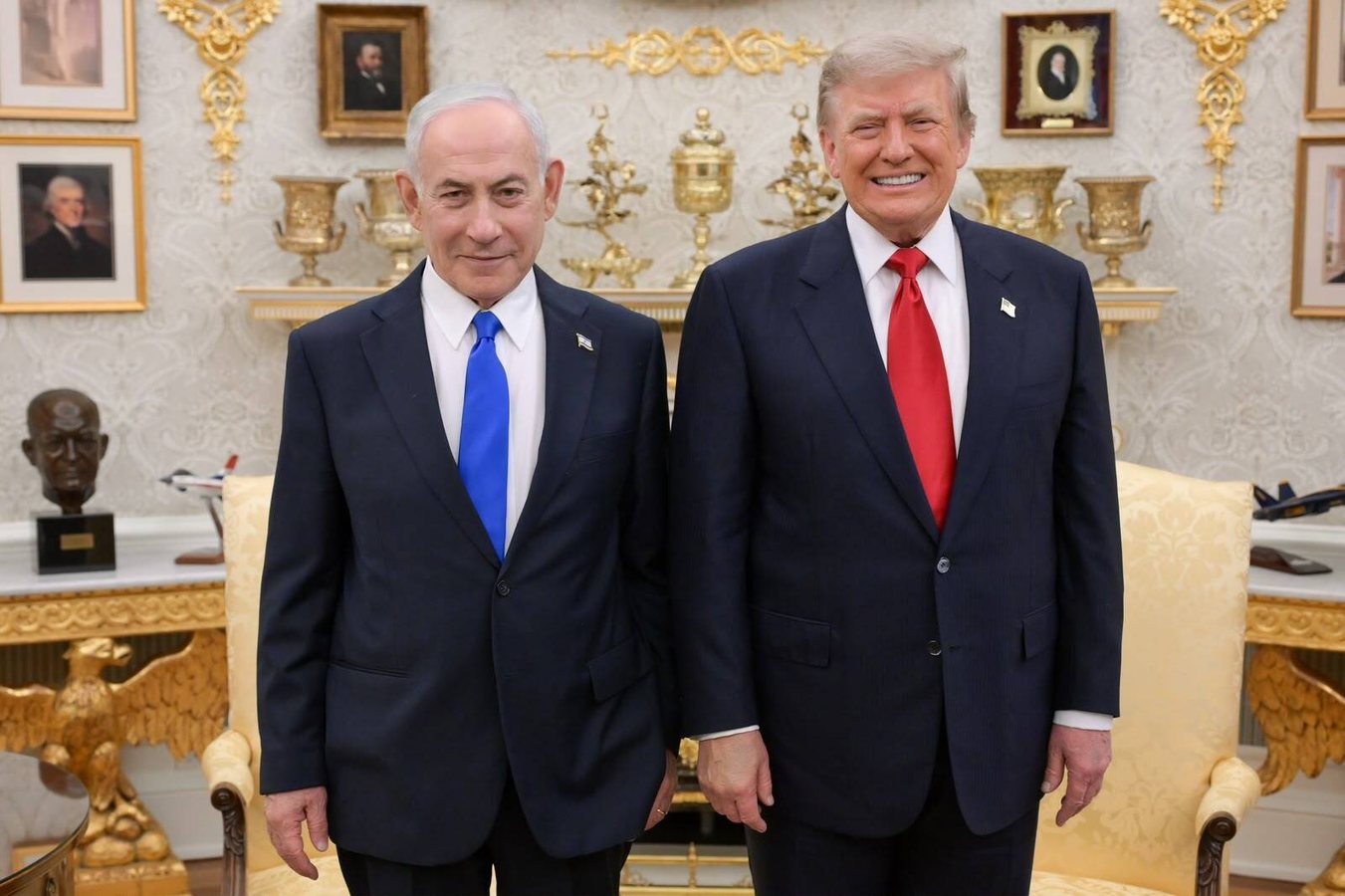
President Donald Trump and Israeli Prime Minister Benjamin Netanyahu have not spoken directly since their July 28 meeting at the White House, i24NEWS diplomatic correspondent Guy Azriel reported, citing sources. The claim has not been publicly confirmed by either government, but it arrives amid visible disagreements over the next phase of the Gaza plan and over the pace of U.S. decision-making on Iran.
The July 28 meeting itself is well documented. i24NEWS reported that Trump and Netanyahu focused heavily on Iran and publicly emphasized a shared goal of preventing Tehran from obtaining a nuclear weapon. After the talks, the outlet also reported that Trump was weighing three broad paths: a nuclear agreement, continued or intensified economic pressure, or renewed military strikes.
Azriel’s new account suggests that the absence of leader-to-leader calls has not meant an absence of communication. Netanyahu has spoken several times in recent weeks with Jared Kushner, according to the correspondent’s sources. Kushner, Trump’s son-in-law, is formally part of the executive board of the president’s Board of Peace, the body the White House says is responsible for strategic oversight of Gaza stabilization and reconstruction.
Several of those Netanyahu-Kushner conversations concerned a 15-point proposal for Gaza and were described by Azriel’s sources as difficult. The reported friction tracks with a dispute described independently by The Associated Press, The Guardian and The Washington Post. The U.S.-backed framework ties Hamas disarmament to a phased Israeli withdrawal and a transition toward new governance and reconstruction arrangements. Netanyahu has insisted that Israel will not withdraw further until Hamas is fully disarmed.
That disagreement is about more than wording. The order of operations determines who carries security risk during the transition. Washington wants a sequence capable of moving the ceasefire framework into a political and reconstruction phase. Israel’s government argues that a withdrawal before complete disarmament could leave Hamas with military leverage and create another threat along Israel’s border.
Iran adds a second source of pressure. Ahead of the July meeting, Trump publicly indicated that he did not need additional Israeli intelligence about an Iranian site discussed in Israeli reporting. An Israeli source quoted by i24NEWS said Trump was already familiar with the target and that the disagreement was primarily about timing. That distinction is significant: the two governments may agree on the strategic objective while diverging sharply on when and how to act.
The reported pause in direct communication therefore should not be read automatically as a rupture in the U.S.-Israel alliance. Official channels remain active, and Kushner appears to be serving as a high-level intermediary on Gaza. But personal contact between Trump and Netanyahu has often carried political weight precisely because both leaders use it to settle disputes that bureaucratic channels cannot resolve.
If Azriel’s report is borne out, the next direct conversation will come with unusually high stakes. The Gaza framework remains stuck on sequencing and trust, while Trump’s Iran options remain consequential for Israeli security. A call between the two leaders would not eliminate those disagreements, but it would show whether they are prepared to move them back from intermediaries to the highest political level.
55