4 minWorld
Prince Andrew Challenges Police Searches in Historic Legal Move
Former Prince Andrew has launched a legal challenge against Thames Valley Police over searches of his homes following his February arrest on suspicion of misconduct in public office. A court hearing is set for Thursday, and experts say a ruling against the police could jeopardize evidence in the widening investigation.
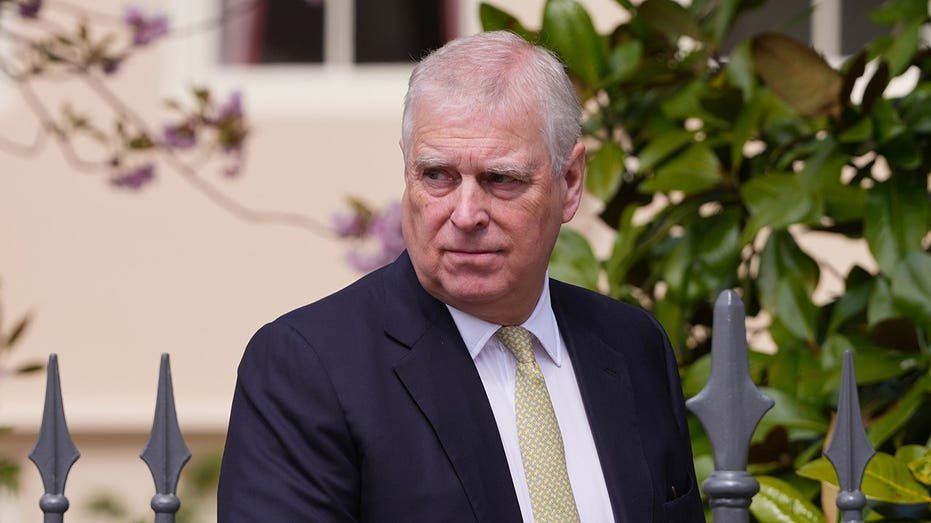
Former Prince Andrew has launched a legal challenge against Thames Valley Police over the lawfulness of searches conducted at his homes, a move that legal observers say could have significant consequences for the ongoing criminal investigation into him. The challenge, filed after his arrest in February on suspicion of misconduct in public office, asks the court to rule on whether warrants obtained from the Central Criminal Court were properly executed at his properties near Windsor Castle and on King Charles III's Sandringham estate.
A hearing is scheduled for Thursday. Thames Valley Police confirmed its engagement in the legal proceedings but declined to comment further. «Whilst our investigation into misconduct in public office continues, we are engaged in legal proceedings in relation to warrants previously obtained from the Central Criminal Court,» a police spokesperson said. «As these legal proceedings are currently ongoing, it would be inappropriate for us to comment further.»
Royal commentator Richard Fitzwilliams told Fox News Digital that Andrew is «fighting the police process rather than waiting for the investigation to conclude.» He added that if Andrew wins, «it might affect evidence obtained through the searches which he is claiming were not lawfully conducted.» Fitzwilliams also noted that police have reportedly not obtained access to unredacted Epstein files, which has affected their ability to investigate links between Andrew and the disgraced financier. The investigation has been widened from misconduct in public office to include potential sexual misconduct.
The legal move marks the first time a member of the royal family has challenged the legal process since Charles I in 1649, according to Fitzwilliams. The manner in which police carried out the searches has also raised questions among royal observers. «He was obviously feeling very aggrieved by the police entering his home at eight in the morning and the world's press finding out at 8:05,» royal broadcaster Ian Pelham Turner said. He added that questions remain about whether King Charles knew about the operation beforehand and whether the police deliberately humiliated Andrew. «It has often been said he treated the police with contempt. Was this a way of getting back to his alleged rudeness? Only time will tell,» Pelham Turner said.
Andrew was arrested in February on suspicion of misconduct in public office. He was accused of sharing confidential trade information with Jeffrey Epstein. Emails released by the Department of Justice in January as part of the Epstein files appeared to show Andrew sharing reports of official trade visits with the disgraced financier while he served as Britain's special envoy for international trade. Specifically, the emails appeared to show Andrew sharing reports of official visits to Hong Kong, Vietnam and Singapore. One email, dated November 2010, appeared to be forwarded by Andrew five minutes after he received it. In another, on Christmas Eve 2010, he appeared to send Epstein a confidential brief on investment opportunities in the reconstruction of Helmand Province, Afghanistan.
The legal challenge could delay or complicate the investigation if the court finds fault with how police obtained evidence. The case is being closely watched as a rare instance of a royal family member directly contesting police procedures in court. The outcome of Thursday's hearing may determine whether the evidence gathered during the searches remains admissible, a key factor in any potential prosecution.
3