6 minWorld
Palau summit opens as Pacific leaders navigate U.S.-China rivalry
Leaders of Pacific island nations gather in Palau for the Pacific Islands Forum, where geopolitical competition between the United States and China threatens to overshadow discussions on climate change and economic stability.
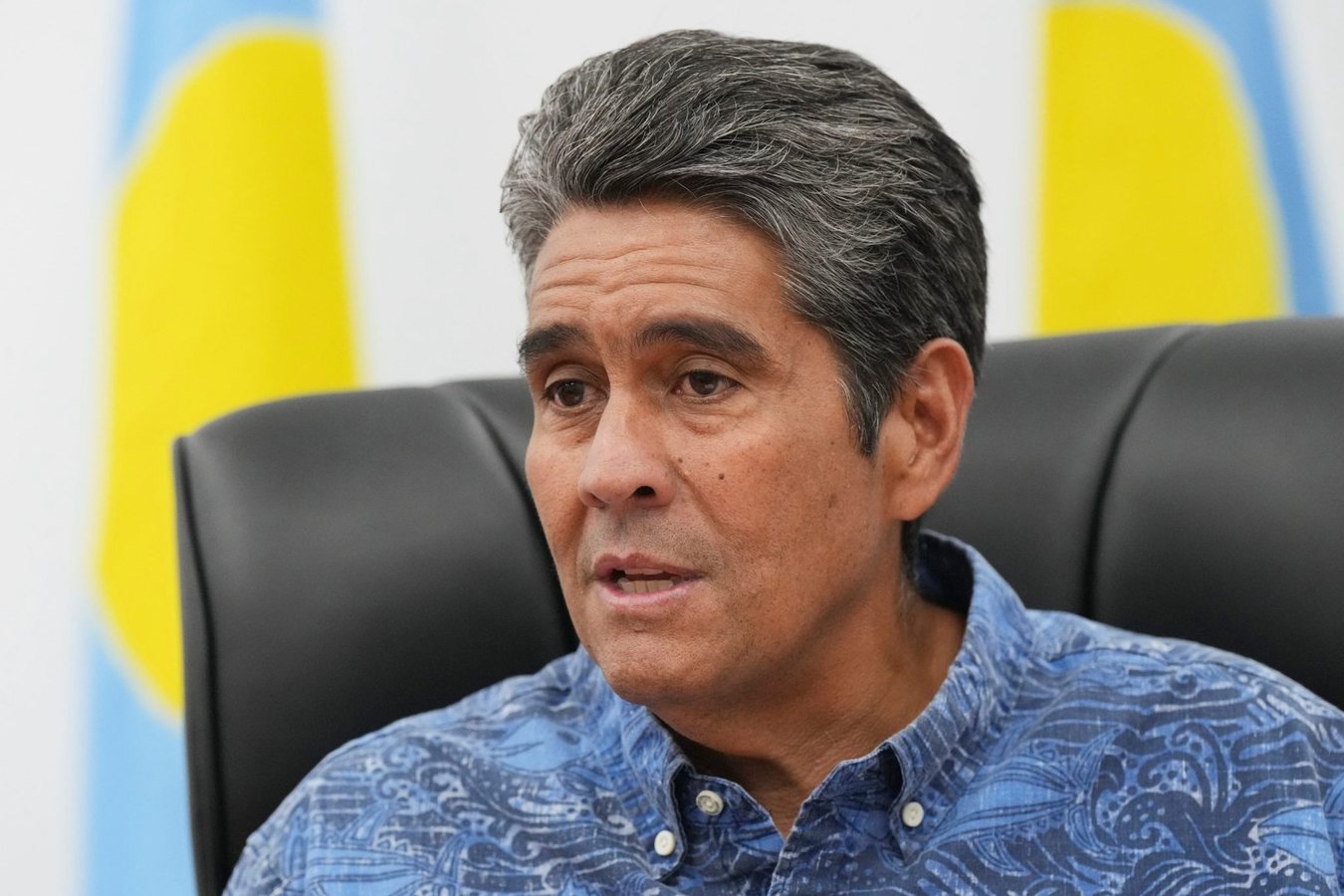
Leaders of some of the world's smallest nations are gathering in Palau this week for the Pacific Islands Forum Leaders Meeting, an annual summit unfolding against a backdrop of intensifying competition between the United States and China for influence across the vast ocean region. The host nation, a tropical archipelago of roughly 18,000 residents with no traffic lights, has seen its population swell to about 20,000 as delegates from dozens of countries arrived for the event, which officially opened Monday.
Palau's President Surangel Whipps Jr. used the eve of the summit to urge outside powers not to turn the gathering into a stage for geopolitical maneuvering. "The Pacific is our home, not a theater for geopolitical competition," Whipps told reporters Sunday, adding that he hoped talks would center on problems desperately imperiling small Pacific island nations, such as climate change and struggling economies. "Let's not use this as a place that we should be threatening or making people feel uncomfortable," he said.
The reality, however, is unlikely to be simple. The 18 member countries and territories of the Pacific Islands Forum include nations with populations in the low thousands or tens of thousands, once known primarily as picture-perfect holiday destinations. But many also control sprawling and lucrative exclusive economic zones rich with fisheries and seabed minerals, and their locations across the wide Pacific have become strategically important as global tensions rise.
While Forum countries often reference a "Pacific family," members come from diverse cultures and political systems, and their remote locations mean few opportunities for leaders to speak in person. The annual summit was once a relaxed affair where officials from countries with little power in the global order sought to amplify their voices by reaching unified positions, particularly in urging bigger countries to curb greenhouse gas emissions as rising seas began to threaten low-lying atoll nations.
Over the past decade, major powers have escalated efforts to secure access to Pacific waters and ports by inking security deals, offering funding, immigration access, and other incentives. That has put pressure on the leaders' ability to speak with one voice. "We see examples of this where that consensus-based model, which is referred to as the Pacific Way, can sometimes lead to a bit of paralysis in taking action," said Oliver Nobetau, Pacific Islands program director at the Lowy Institute, an Australian think tank.
In a recent episode, the Forum's foreign ministers failed to reach consensus on a statement criticizing Beijing's launch of a ballistic missile into the South Pacific Ocean in July. While most member states strongly opposed China's actions, the refusal of two to endorse a statement saying so meant none was issued. "At this point in time when Pacific Islands are facing a lot of acute security issues, decision-making is paramount for this one," Nobetau said. "We'll be looking to see if President Whipps can sort of steer the forum to take tangible action."
Among the issues vexing Pacific island nations are the effects of the latest El Nino weather chaos, which has brought droughts and floods across the region. The volatile weather threatens food security and access to clean water, already vulnerable in island nations dependent on imported goods and funded largely by foreign aid. Fuel volatility from the Iran war has also prompted some Pacific countries experiencing severe economic shocks to declare national emergencies in a region overwhelmingly reliant on imported diesel and gasoline arriving via a fragile supply chain.
Whipps this week suggested that wealthy countries seeking involvement in the region could open their wallets to finance the widespread establishment of solar power capabilities. "What are they doing together with us to partner to get a 100% renewable Pacific?" he asked.
Some of the powers at loggerheads over the region were always going to see this year's summit as a showdown. Palau is one of just 12 countries worldwide to recognize Taiwan, incurring the ire of Beijing, which sees Taiwan as part of its territory. It also sits at the nexus of other great power struggles. Located in the western Pacific Ocean next to the Philippines, Palau draws from the Asian tourism market and has closer ties to the United States than much of the Forum's members. A Compact of Free Association allows defense and security access for the U.S. in Palau's territory in exchange for tens of millions of dollars in U.S. funding each year.
Palau's turn as host also comes as the summit's leaders try once more to draw up a structure governing how other countries are permitted involvement in its meetings. Countries approved the framework in previous sessions, but the details of implementation remain a point of contention among members with differing alliances and priorities.
71