3 minWorld
Nepal Doubles Estimate of Missing to 1,900 After Flash Floods
Nepal's disaster relief agency has doubled its estimate of missing people to 1,900 after flash floods along the Nepal-China border, with some 900 workers unaccounted for from hydropower projects. Rescue efforts are complicated by fears of new flooding.
Nepal's disaster relief agency has sharply revised its estimate of people missing after catastrophic flash floods along the Nepal-China border, more than doubling the previous figure to 1,900. A spokeswoman for the agency said the tally grew after some 900 people were reported missing from hydropower projects in the affected region, adding a new dimension to a disaster that has already overwhelmed local rescue capacity.
The revised number underscores the scale of the emergency that unfolded this week as torrential rains triggered flash floods in the mountainous border area. Rescue teams are now racing against time to locate survivors, but their efforts are being complicated by the threat of additional flooding. Officials said the volatile weather conditions and the difficult terrain are hampering access to many of the hardest-hit areas, leaving families and authorities in a state of anxious uncertainty.
The disaster has dealt a heavy blow to Nepal's hydropower industry, which had been experiencing a period of rapid growth and investment. According to officials, the missing workers were employed at various dam and power plant construction sites that were caught in the path of the sudden deluge. The loss of such a large number of workers from a single sector highlights the perilous conditions under which much of the country's infrastructure is being built, often in remote valleys prone to extreme weather events.
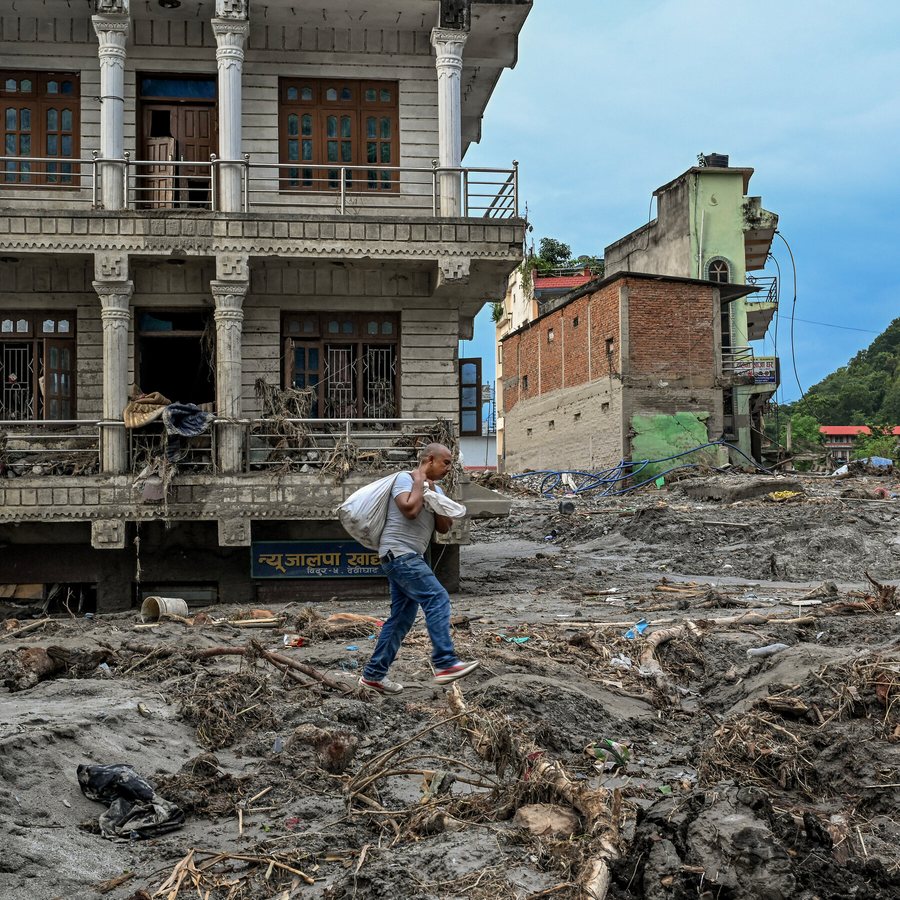
Residents in the affected communities, such as those in Devighat, have begun surveying the extensive damage left behind by the floodwaters. Homes, roads, and bridges have been destroyed, and entire villages have been cut off from the rest of the country. The full extent of the destruction is only beginning to emerge as rescue teams reach isolated areas, and the humanitarian needs are expected to grow in the coming days.
The Nepali government has come under pressure to accelerate the search and rescue operation, with relatives of the missing demanding more information and faster action. The disaster relief agency has said that all available resources are being deployed, but the combination of challenging geography and the risk of new flooding is stretching capabilities to the limit. International aid agencies have also been alerted, and neighboring countries have offered assistance as Nepal grapples with one of its worst flood-related disasters in recent memory.
The flash floods serve as a stark reminder of the vulnerabilities facing South Asian nations as they contend with increasingly erratic weather patterns. For Nepal, the immediate priority remains finding the missing and providing relief to the displaced, but the longer-term questions about the safety of its infrastructure projects and the resilience of its communities will likely dominate the national conversation in the weeks ahead.
62