3 minWorld
Kaczyński floats EU exit talks to force reform ahead of Polish vote
Poland's main opposition leader, Jarosław Kaczyński, suggested nationalist-led countries could open negotiations to leave the European Union to pressure Brussels into returning powers to member states, drawing sharp rebukes from the government in Warsaw.
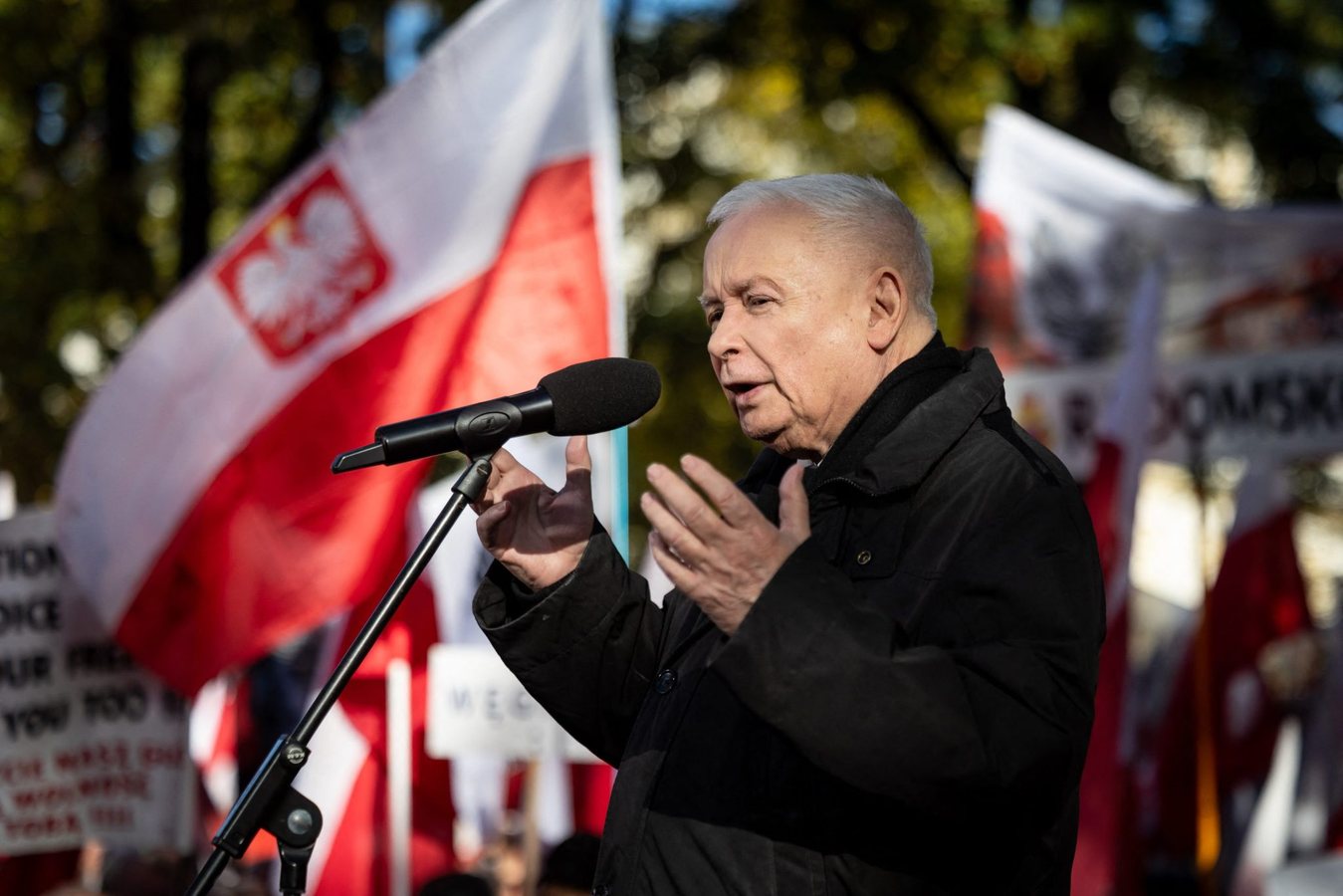
Poland's main opposition leader, Jarosław Kaczyński, has suggested that countries led by nationalist parties could open negotiations to leave the European Union in order to pressure the bloc into returning powers to its member states. Speaking on Wednesday at an economic forum in southern Poland, the leader of the national-conservative Law and Justice party said the remarks come roughly a year before the country's next general election.
"The European Union must be changed," Kaczyński said. "This is my deep conviction, shared by my party and, I believe, very many Poles." He argued that EU institutions, including the European Commission, the bloc's executive body, wield too much influence. He said upcoming elections in France and Spain, which could bring far-right politicians to power, might open the way for discussions about change.
Kaczyński outlined several possible reforms. One idea would have national parliamentarians monitor how often EU bodies break EU law. As a last resort, he proposed that countries seeking reform could conclude a new treaty that would take effect at a later date while simultaneously opening EU withdrawal negotiations. He presented this as a way to pressure other member states and EU bodies into accepting changes.
The remarks prompted immediate criticism from senior figures in the Polish government. Prime Minister Donald Tusk, a pro-European leader, wrote on X that Kaczyński had announced Poland should begin negotiations on the conditions of leaving the European Union. Kaczyński responded on X that he wanted the union to benefit ordinary citizens rather than elites, accusing Tusk of misrepresenting his intentions. Foreign Minister Radosław Sikorski said he thanked Kaczyński "for his honesty," arguing that the remarks should help Polish voters understand the consequences of choosing the far right.
The stakes are considerable. Poland occupies a key position on NATO's eastern flank and is among the fastest-growing economies in the EU. It has gained strategic importance in recent years, partly through its crucial role in supporting Ukraine. Kaczyński's party led Poland between 2015 and 2023, a period marked by major conflicts with EU institutions over the rule of law and human rights.
Polls one year ahead of the general election indicate that Kaczyński could return his party to power if he allies with smaller far-right groups that have grown in influence in Poland in recent years. Kaczyński said the reform he advocates would focus on "improving citizens' living conditions, lowering energy prices, strengthening security, pursuing a responsible migration policy and an ambitious economic and agricultural policy without unnecessary bureaucracy."
8