4 minWorld
Japan's Population Falls Faster as Takaichi Tightens Rules on Foreign Residents
New census data show Japan's population declined 2.5% over five years, with Japanese nationals down 3.5%, while foreign residents hit a record 3.84 million. The government of Prime Minister Sanae Takaichi simultaneously raised permanent residency fees by 2,000% and imposed stricter income and language requirements.
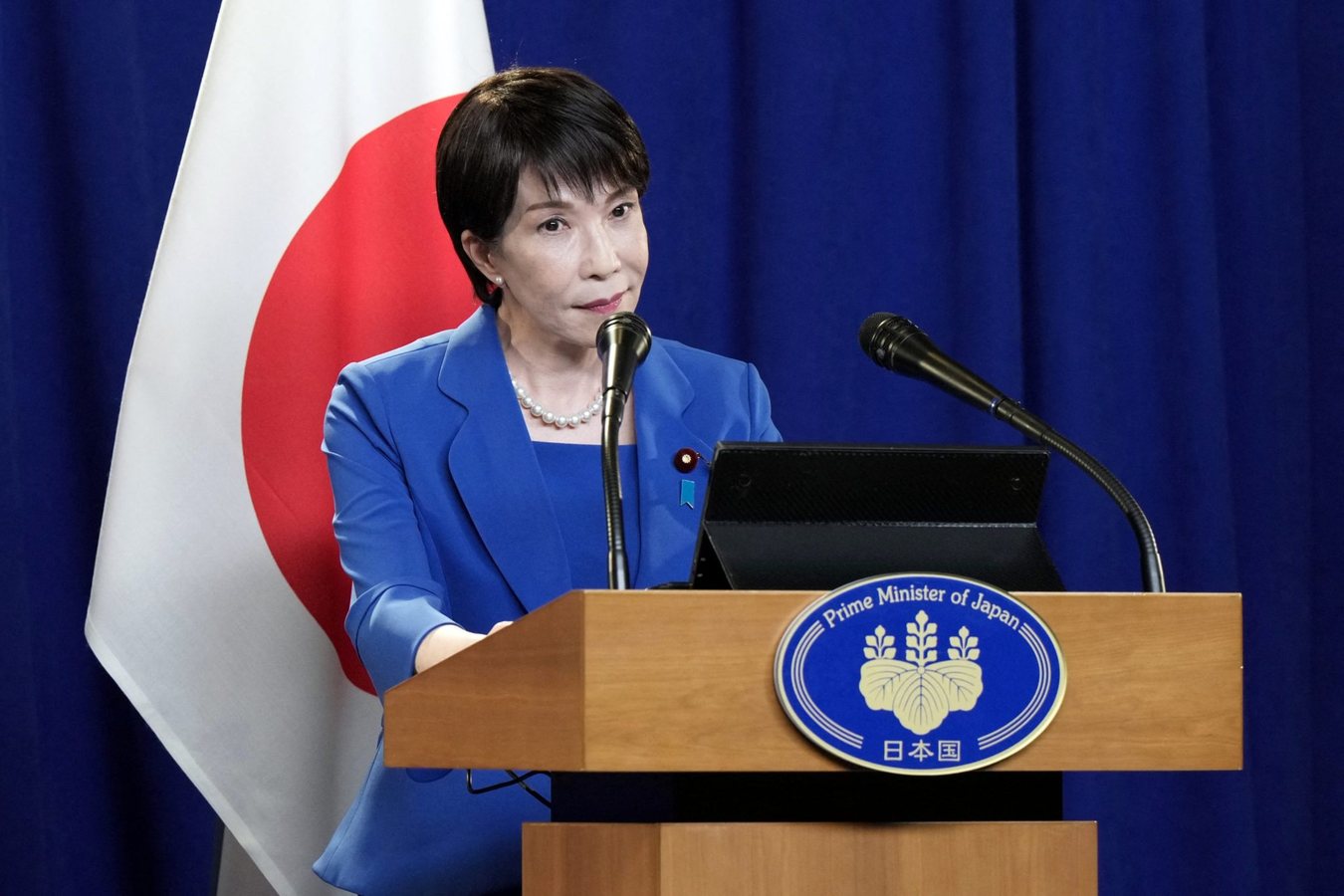
Japan's population is shrinking at a faster pace than at any point in recent memory, according to new census data released last week, even as the government of Prime Minister Sanae Takaichi moves to make it harder for foreign nationals to settle in the country.
The latest five-year population survey, released Tuesday, showed that as of October 2025 Japan's total population, including foreign residents, stood at 122.9 million, down 2.5% from five years earlier. The previous census in 2020 recorded a decline of just 0.7%. The number of Japanese nationals fell even more sharply, dropping 3.5% to 119.1 million, compared with a 1.4% decrease in the prior count.
At the same time, the foreign population surged 40% to a record 3.84 million, and the number of permanent residents climbed 17% to 947,125. Foreigners now make up 3.4% of Japan's population, a record share that has fueled a growing political backlash even as the country struggles with an aging workforce and the need for new labor to sustain economic growth.
Japan's birth rate has remained below the replacement level of 2.1 children per woman for decades, and the population has been in steady decline since around 2008. The share of people age 65 and older rose to 29.4% in 2025 from 28.5% in 2020. Adult diapers have outsold baby diapers since 2011, a stark marker of the demographic shift.
In response, some local governments have experimented with pronatalist policies. The Tokyo metropolitan government launched a dating app to encourage couples to meet, and introduced a four-day workweek and partial leave policy for city workers to help parents balance childcare and employment.
But the national government's approach to foreigners has turned markedly more restrictive. On Thursday, Japan raised the fee for permanent residency to $1,271 from $64 — an increase of roughly 2,000%, the largest in the country's history. The cost of a five-year residence permit jumped to $475 from $38.
Applicants for permanent residency must now earn a minimum of $36,428 per year, and for the first time they will be evaluated on their Japanese language skills and their understanding of rules and customs. The government can also revoke permanent residency for failure to meet pension contribution obligations, nonpayment of health insurance and taxes, or violations of immigration law or the penal code.
The changes reflect the more nationalist, right-wing posture of Prime Minister Takaichi, who has taken a harder line against rivals such as China and North Korea and expanded Japan's military. Domestically, her government has cracked down on immigration and tourism, drawing criticism that she is encouraging xenophobia. In July, tourist visa prices for some categories rose by more than 400%.
In a post on X ahead of the new residency rules, Takaichi said many permanent residents could not maintain independent livelihoods. «The government recognizes that, with the increasing number of foreign residents, there are citizens who feel anxiety and a sense of unfairness, and is addressing this by making 'foreign policy' more 'orderly' so that both citizens and foreigners can live safely and securely,» she wrote.
The twin developments — accelerating population decline and tightening restrictions on foreign residents — place Japan at a difficult crossroads. Economists have long warned that the country's shrinking workforce threatens long-term growth, and the record inflow of foreign workers has helped fill gaps in sectors from construction to elder care. Whether the new restrictions slow that inflow, and how sharply, will shape Japan's economic and social trajectory for years to come.
5