4 minWorld
Iranian president admits US sanctions are suffocating Tehran: «We are in a war situation»
Iranian President Masoud Pezeshkian acknowledged that US economic sanctions are strangling the country, describing the situation as a war. Supreme Leader Ayatollah Mojtaba Khamenei called on the government to take control as annual inflation hit 66%.
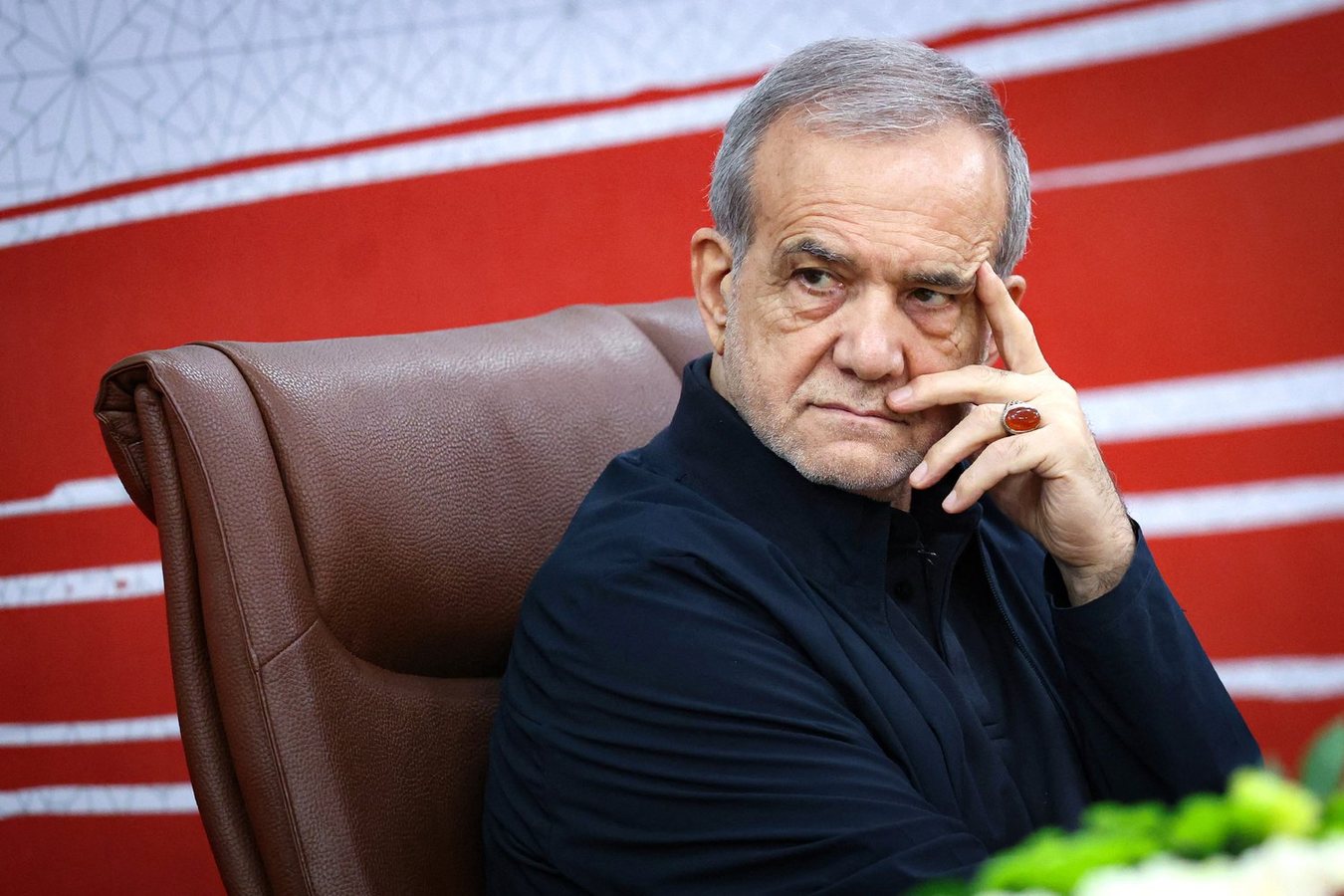
Iranian President Masoud Pezeshkian admitted that crippling US economic sanctions are suffocating the country, warning that Tehran is effectively in a war situation. The acknowledgment marks a rare public concession from the Iranian leadership about the severity of the economic pressure imposed by Washington.
Speaking amid a deepening financial crisis, Pezeshkian said the sanctions have severely restricted Iran's ability to trade, access international banking systems, and sell its oil on global markets. His remarks come as Supreme Leader Ayatollah Mojtaba Khamenei also urged the government to take control of the deteriorating situation, signaling growing concern at the highest levels of the Iranian state.
The admission follows the release of new economic data showing annual inflation in Iran reached 66% last month. The figure underscores the toll that sanctions, combined with domestic mismanagement, have taken on ordinary Iranians, many of whom have seen their purchasing power collapse as the rial continues to lose value against major currencies.
Khamenei, who has final authority over state matters, called on the government to stabilize the economy and reduce reliance on foreign currencies, particularly the US dollar. His remarks reflect a broader push within the Iranian establishment to insulate the economy from external shocks, though analysts note that such measures have had limited success in the past.
The economic crisis has also fueled political tensions inside Iran. Reports indicate that Khamenei has ordered rival factions within the country's political establishment to stop fighting among themselves, as Pezeshkian uses the economic emergency to press for renewed diplomatic engagement with the West. The president has argued that sanctions relief is essential to reviving the economy, a position that has drawn resistance from hardliners who oppose concessions to Washington.
Iran's trade volumes have fallen sharply as the sanctions regime, reimposed after the United States withdrew from the 2015 nuclear deal, has cut off much of the country's access to global financial networks. Oil exports, once the backbone of the Iranian economy, have been reduced to a fraction of their previous levels, forcing the government to rely on informal channels and barter arrangements to move crude.
The humanitarian impact of the sanctions has been severe. Imported medicines, food staples, and industrial inputs have become more expensive and harder to obtain, contributing to shortages and fueling public discontent. Protests over economic conditions have erupted in several cities in recent months, though authorities have moved quickly to suppress them.
Pezeshkian's frank assessment of the situation is notable given the Iranian government's long-standing practice of downplaying the effects of sanctions. His comments suggest that the pressure has become impossible to ignore, even for a leadership that has repeatedly vowed to resist American pressure.
Khamenei's call for the government to take control of the situation indicates that the supreme leader recognizes the urgency of the moment. However, the path forward remains unclear, as any move toward negotiations with the United States would require navigating deep divisions within Iran's political establishment.
The coming months will test whether Tehran can find a way to ease the economic pain or whether the sanctions will continue to tighten their grip on a country already struggling with inflation, unemployment, and a shrinking economy.
53