6 minWorld
Iran War Live: Fighting Intensifies With Strikes on Critical Infrastructure
US and Iranian forces exchange attacks for a seventh consecutive night, with reports of 50 killed and 500 wounded this month as pro-government demonstrations take place in Tehran.
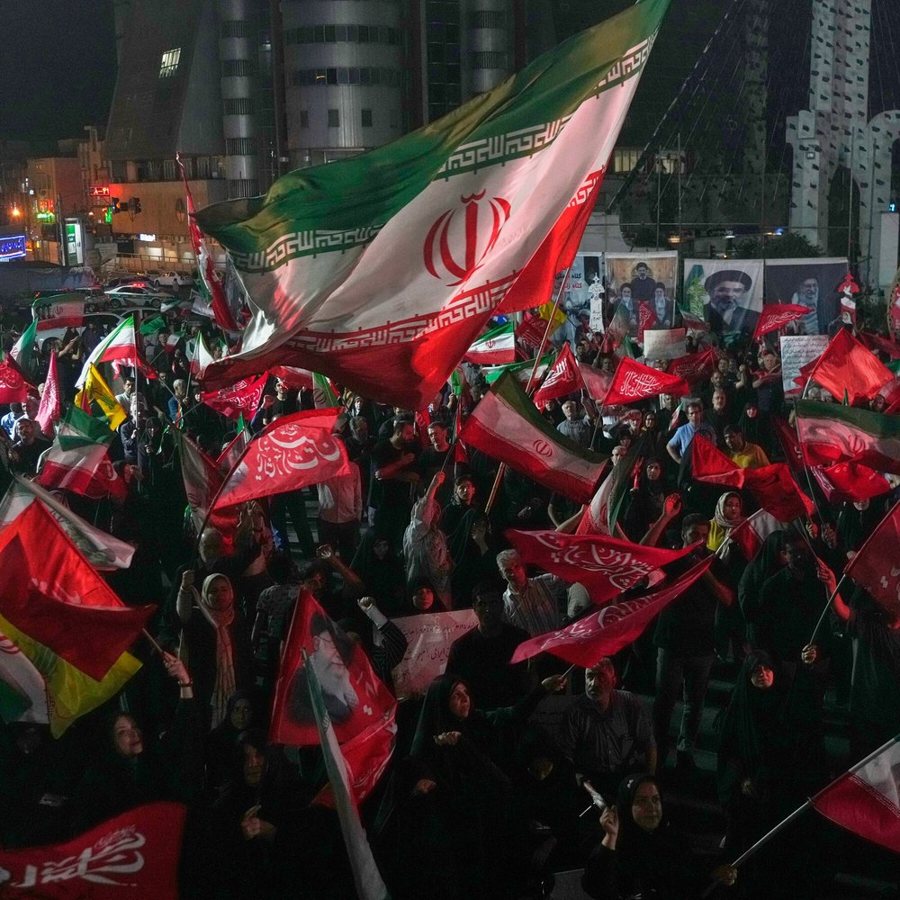
The conflict between the United States and Iran has entered its seventh consecutive night of exchanges, with both sides intensifying strikes on critical infrastructure. The latest wave of US military operations targeted strategic sites across Iran, escalating what has become one of the most sustained military confrontations in the region in recent years. According to reports from multiple news agencies, the fighting has resulted in at least 50 deaths and 500 wounded since the beginning of the month.
Pro-government demonstrators gathered at a square in Tehran on Friday, waving Iranian flags and chanting slogans in support of the country's leadership. The rally, which drew thousands of participants, appeared to be a show of solidarity amid the escalating conflict. State-run media broadcast images of the crowd, which included men, women, and children, many holding portraits of Supreme Leader Ayatollah Ali Khamenei. The demonstration underscored the regime's efforts to project national unity as foreign strikes continue to pound military and industrial targets.
The US military's latest round of strikes focused on what Pentagon officials described as «critical infrastructure» linked to Iran's missile program and naval capabilities. Targets included radar installations, missile storage facilities, and coastal defense systems along the Strait of Hormuz, a vital waterway for global oil shipments. The operations are part of a broader campaign aimed at degrading Iran's ability to threaten shipping lanes and regional allies. Defense Department spokespersons have stated that the strikes are «proportional and defensive» in nature, though they have not ruled out further escalation.
Iranian authorities have confirmed significant damage to several military sites but have not released an official casualty count. Local hospitals in affected provinces, including Hormozgan and Bushehr, have reported treating hundreds of wounded personnel, many with shrapnel injuries from precision-guided munitions. The Iranian Red Crescent has mobilized emergency response teams to assist in the affected areas, while the government has imposed a news blackout on specific details of the strikes, citing operational security concerns.
The conflict has drawn international attention, with the United Nations calling for an immediate ceasefire. UN Secretary-General António Guterres issued a statement urging both sides to «exercise maximum restraint» and return to diplomatic channels. However, diplomatic efforts have so far failed to gain traction, as both Washington and Tehran remain entrenched in their positions. The European Union has offered to mediate, but no formal talks have been scheduled. Meanwhile, neighboring countries, including Iraq and the United Arab Emirates, have expressed concern about the spillover effects of the fighting, particularly the potential disruption of oil exports through the Strait of Hormuz.
The economic impact of the conflict is already being felt globally. Oil prices surged by more than 8% this week, with Brent crude trading above $95 per barrel, as traders priced in the risk of supply disruptions. The Strait of Hormuz handles about 20% of the world's petroleum consumption, and any sustained blockade or damage to shipping infrastructure could have severe consequences for global energy markets. Analysts have warned that a prolonged conflict could push oil prices above $120 per barrel, triggering a recession in several import-dependent economies.
On the ground in Iran, the civilian population is facing increasing hardships. Air raid sirens have become a nightly occurrence in major cities, including Tehran, Isfahan, and Shiraz, forcing residents to seek shelter in basements and underground facilities. Power outages have been reported in several provinces, attributed to damage to electrical grids from stray munitions. The government has imposed fuel rationing in an effort to conserve resources, and long lines have formed at gas stations across the country. Social media footage verified by news organizations shows panicked crowds in Tehran's Grand Bazaar, where shopkeepers have begun boarding up their stores in anticipation of further unrest.
The human toll of the conflict extends beyond the battlefield. Humanitarian organizations have reported that at least 200,000 people have been displaced from border regions near the Strait of Hormuz, seeking refuge in inland provinces. The Iranian government has set up temporary camps to accommodate the displaced, but conditions are described as dire, with shortages of food, clean water, and medical supplies. The International Committee of the Red Cross has appealed for $50 million in emergency funding to support relief efforts, but access to affected areas remains limited due to the ongoing hostilities.
As the conflict enters its second week, the strategic calculus for both sides remains uncertain. The Trump administration has signaled that it is prepared to continue strikes until Iran agrees to negotiate a new nuclear deal that addresses its ballistic missile program and regional activities. Iranian officials, however, have rejected any talks under the «shadow of aggression,» insisting that the US must first halt all military operations. With no end in sight, the region braces for what could become a protracted and devastating war.