4 minWorld
Hungarian MFA Staff Filled Szijjártó Press Briefings, 444 Reports
Hungarian outlet 444 says ministry employees were directed to fill seats at Péter Szijjártó’s press conferences while independent newsrooms were largely kept outside the room.
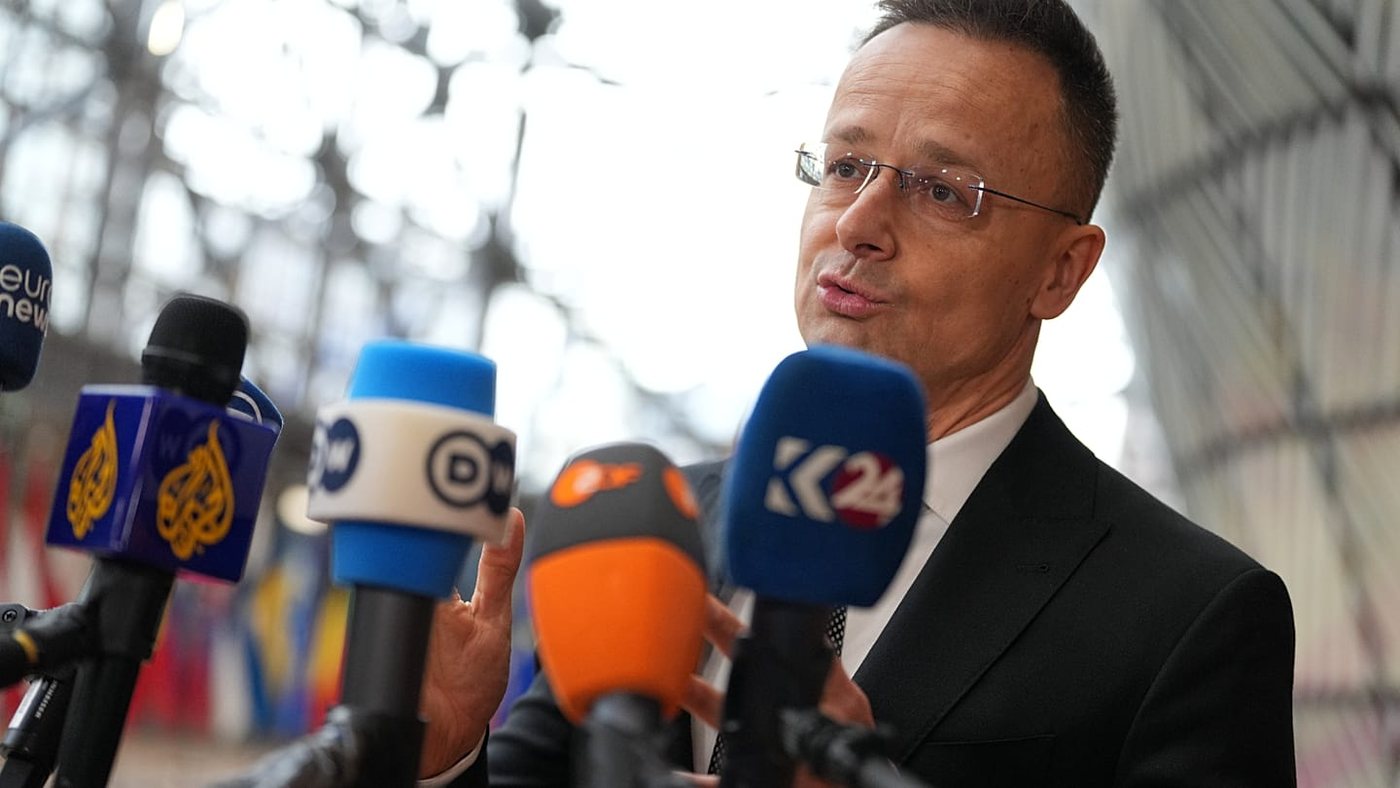
Hungary’s foreign ministry used its own employees to fill seats at press conferences held by Péter Szijjártó when he was foreign minister, according to a report by the Hungarian outlet 444. Ministry sources told the publication that staff were dispatched from different departments so the room would appear full even when few independent journalists were present.
The arrangements were specific. According to the accounts cited by 444, departments were told how many people they had to provide for a particular event. The goal was to occupy roughly 50 to 60 seats. Employees were expected to arrive at least half an hour before the briefing, take their places and be seated quietly before Szijjártó entered.
The choreography continued at the end. Attendees were not supposed to stand until the minister had left the room. If there were not enough volunteers, managers assigned employees to attend. For some civil servants, therefore, a place in the audience was not an expression of interest in the event but a work instruction.
The more consequential allegation concerns who was allowed to ask questions. 444’s sources said independent news organizations that might disrupt the planned flow with critical or unexpected questions were largely not invited. One ministry employee recalled occasions when the only actual journalist in the room was a reporter from Hungary’s state news agency, MTI. The same source described seeing a member of the ministry’s press staff suggest a question.
That distinction matters because a press conference is not defined by the number of people visible in the room. Its public value comes from the ability of reporters representing different news organizations to question an officeholder on topics the officeholder did not choose in advance. A full audience can produce the appearance of scrutiny without supplying the underlying mechanism of scrutiny if most seats are occupied by the institution’s own staff.
The new report fits a longer dispute over access. In 2024, 444 won a court case seeking information about which news organizations had been invited to Szijjártó’s press conferences. The outlet said in August 2025 that it had begun enforcement proceedings because the ministry still had not handed over the requested information despite the final judgment. In those earlier reports, 444 said it and a substantial part of Hungary’s independent press were unable to attend the briefings and question Szijjártó directly.
Szijjártó no longer leads Hungary’s foreign ministry. The current Hungarian government website lists Anita Orbán as foreign minister and deputy prime minister, making the newly described practices part of the record of the previous administration rather than a description of the current ministry’s briefings.
The accounts from inside the ministry now add an operational detail to what had previously been a public dispute over invitation lists. If internal emails, staffing instructions or attendance records emerge, they could establish how frequently departments were given attendance quotas and who decided which reporters could enter. Until then, the central picture supplied by 444 is of a press event whose visual audience was managed by the same institution whose minister was supposed to face questions.
65